
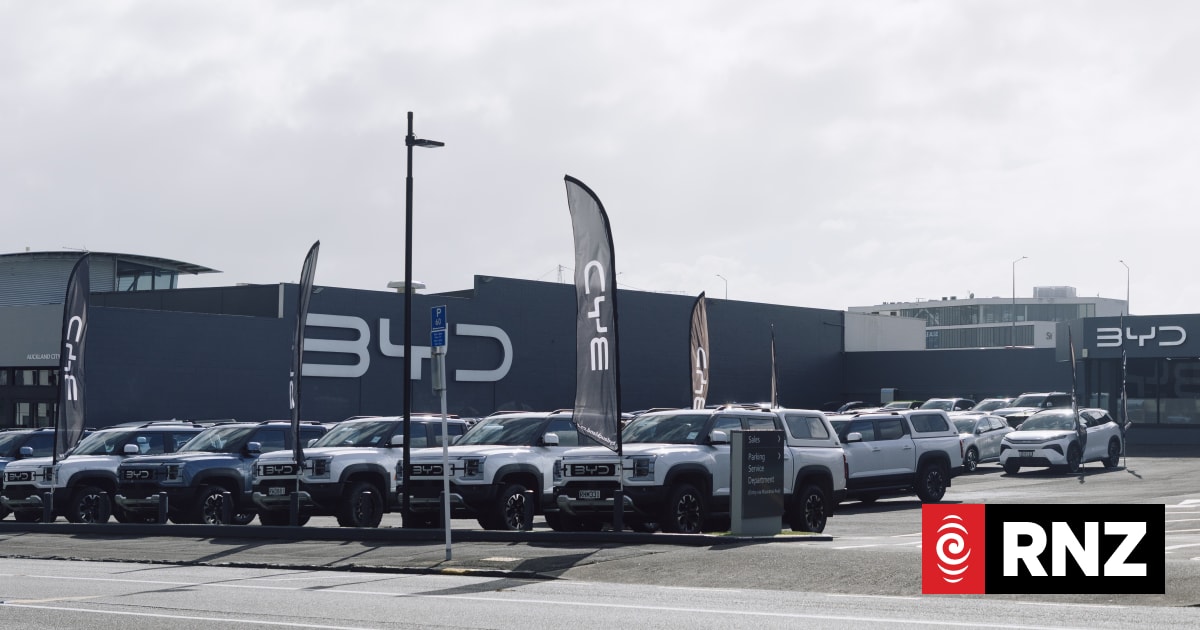
Chinese automakers are rapidly gaining ground in New Zealand’s car market, particularly new electric vehicles.
However, their next challenge may be persuading New Zealanders to buy second-hand electric vehicles, as concerns about battery life and resale value continue to weigh on demand for used EVs.
Trade Me’s 2026 Cars Consumer Insights Report found that 33 percent of new-car buyers in New Zealand were considering a Chinese brand, ahead of European models at 28 percent and US vehicles at 15 percent.
Japanese brands remained dominant, with 75 percent of new-car buyers considering one, according to the report, followed by South Korean models at 49 percent.
Chinese brands, however, still have a significant gap to close in the used-car market.
Only 12 percent of used-car buyers said they were considering a Chinese brand, compared with 76 percent who said they were considering a Japanese vehicle.
The findings come as Chinese brands continue to expand their share of New Zealand’s new-vehicle market.
RNZ has previously reported that Chinese-made electric vehicles are reshaping New Zealand’s car market, accounting for 73 percent of the country’s fully electric vehicle imports.
August sales data from the Motor Trade Association also showed continued growth for Chinese brands, which accounted for 18.7 percent of new-vehicle registrations that month, nearly three times their share in 2024.
China is now the second-largest source of new-vehicle registrations by brand origin, behind Japan.

Larry Fallowfield, sector manager for dealers and specialist services at the Motor Trade Association
Supplied
Larry Fallowfield, sector manager for dealers and specialist services at the Motor Trade Association, said the second-hand market had long played an important role in vehicle buying in New Zealand.
Around 70,000 used vehicles changed hands each month, excluding newly registered vehicles, he said, with dealers accounting for about 30 percent of those transactions.
One reason Chinese brands still had significant ground to make up, Fallowfield said, was that relatively few had been on New Zealand roads long enough to generate a substantial supply of second-hand vehicles.
“If you think about where newly registered Chinese brands were a little over 18 months ago, back in January 2024, they were only 5.4 percent of the market,” he said.
“It’s going to take a long time for those cars to start filtering through the used-vehicle market.”
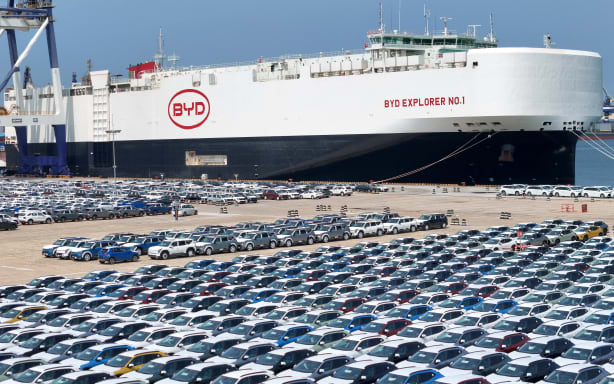
A shipment of BYD vehicles sits on a wharf at Yantai Port in the Chinese province of Shandong in July 2024.
CFOTO
Fallowfield said the gap in the used-car market was largely a matter of timing and supply, rather than distrust of Chinese brands.
As more Chinese vehicles entered the market and aged into the second-hand fleet, he expected used-car volumes to catch up.
For electric vehicles, another obstacle is buyer confidence.
Concerns about battery lifespan and resale value had overtaken range and charging as the main reasons consumers ruled out buying an EV, according to Trade Me’s report.
Consideration of electric vehicles fell from 30.7 percent among new-car buyers to just 8.2 percent among used-car buyers.
“That’s not a lack of EV interest, it’s a lack of confidence in used ones,” Trade Me said.
Fallowfield said there had been cases in which consumers found that EV batteries did not last as long as expected, adding to concerns about buying second-hand electric vehicles.
But he said battery technology was evolving rapidly, and many EV models were becoming well established in the used-car market.
Greater transparency and consumer education would be important to building confidence, Fallowfield said.
Battery test reports, clear information on battery life and expected lifespan, and standardised battery-health ratings displayed on vehicles could help reassure buyers, he said.

Richard Briggs, group manager of delivery and partnerships at the Energy Efficiency and Conservation Authority.
Supplied
Richard Briggs, group manager of delivery and partnerships at the Energy Efficiency and Conservation Authority, said some early imported electric vehicles had relatively small batteries and lacked active cooling systems.
Some used nickel manganese cobalt battery chemistry, which he said was more sensitive to heat and charging patterns.
Limiting charging to about 80 percent could help slow degradation, while prolonged exposure to heat, frequent rapid charging and extended periods at a full state of charge could contribute to a noticeable loss of range as the vehicles aged, he said.
Newer electric vehicles, however, often use a different battery chemistry, Briggs said.
Many Chinese-made models use lithium iron phosphate batteries, which are designed to withstand more charging cycles and have a longer service life, and more thermally safe, he said.
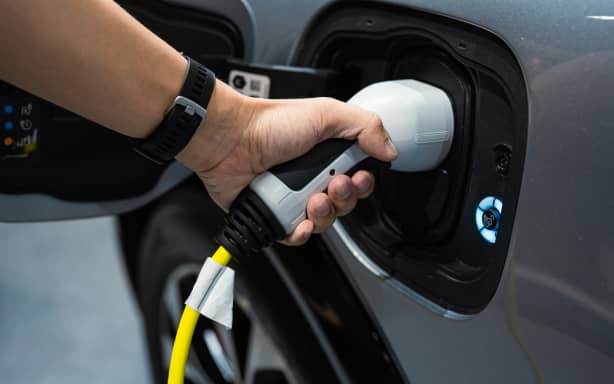
Concerns about battery life and resale value are now the main reasons consumers are ruling out buying an EV.
Jackyenjoyphotography
Briggs added that EV batteries gradually lose the ability to hold as much energy over time, reducing the distance a vehicle can travel on a full charge.
However, he said the decline could be so gradual that drivers might not notice it from one year to the next.
Some batteries in newer electric vehicles could last well over a decade, and in some cases as long as 20 years, Briggs said, potentially outlasting the vehicles themselves.
For consumers concerned about the battery life of a used electric vehicle, Briggs said buying from a dealer with a good understanding of EVs and battery health could offer more reassurance.
He also recommended obtaining an independent battery-health report before purchase, particularly for older imported EVs, so buyers had a clear picture of the battery’s condition rather than relying on the odometer reading alone.