
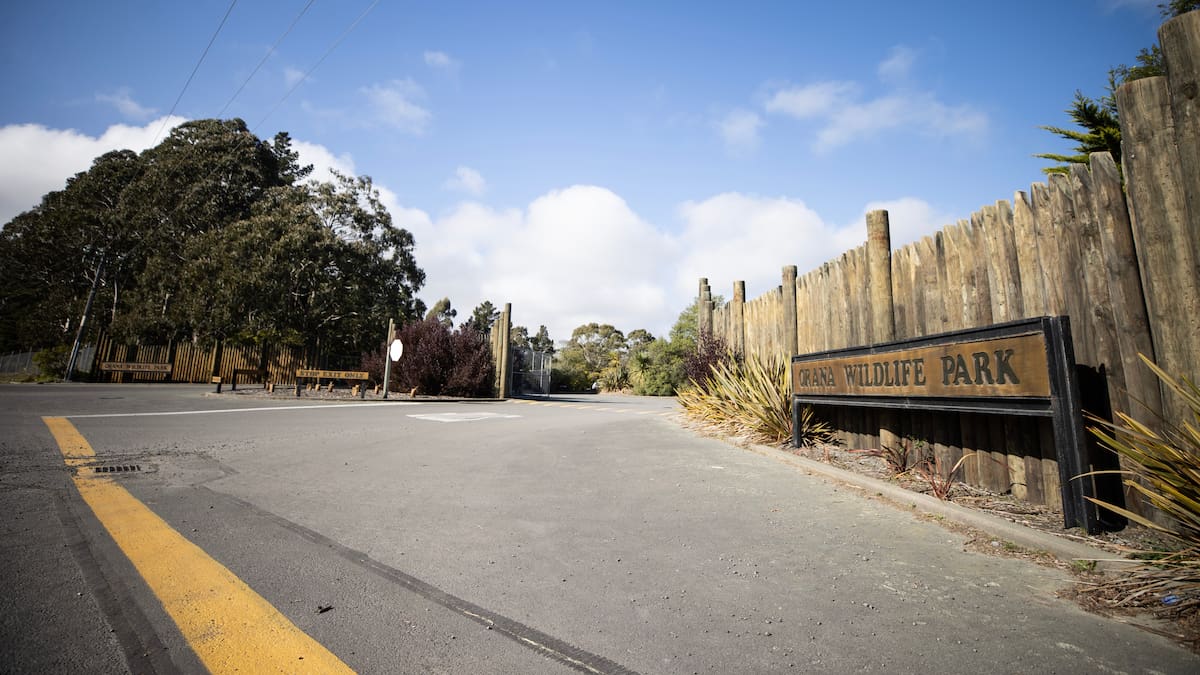
The tiger enclosure is one of the highlights for visitors to Orana Wildlife Park. Photo / Kim Free
“We do not want to cause unnecessary alarm, but we must be realistic and honest. Orana is facing the most serious financial challenge in its history, at the same time as we celebrate turning 50 this month.”
The financial crisis follows two years of review and organisational change after concerns raised by current and former staff in 2024 over animal welfare, the management and reporting of animal deaths, workplace culture, staffing and leadership.
The Ministry for Primary Industries increased its regulatory oversight, while the Zoo and Aquarium Association Australasia commissioned an independent investigation and the board ordered a separate workplace culture assessment.
While no animal welfare issues were found, reviews identified cultural and organisational issues and called for improvements across staffing, veterinary capability, animal welfare processes, health and safety, asset management and governance.
Hughey said Orana had used significant reserves during the past two years to rebuild the organisation, including appointing a new chief executive, employing seven additional exotic animal keepers and appointing two veterinary nurses.
The board commissioned BDO Christchurch to independently assess Orana’s planned 2026/27 budget and financial sustainability.
BDO confirmed an immediate operating shortfall of about $4.1m and found Orana’s forecasts were credible, its revenue assumptions realistic and its costs broadly comparable with other zoo operations.
It also found further cost reductions would not resolve the underlying problem and commercial growth alone could not close the funding gap.
Chief executive Rachel Haydon said zoos had high fixed costs and year-round responsibilities.
“You cannot mothball a giraffe or pause the care of a gorilla while waiting for revenue and visitation to improve.
“Animals require quality food, veterinary care, secure habitats, heating or cooling, life support systems and monitoring every day of the year by specialist staff.”
BDO found council funding, grants and donations represented 57% of Te Nukuao Wellington Zoo’s revenue in 2025, compared with 23% of Orana’s revenue.
Orana has previously sought help from Christchurch City Council, including in 2024 when it warned its financial model was unsustainable.
The council subsequently provided support through its Strengthening Communities and Capital Endowment funds.
Orana Wildlife Trust Board spokesman and co-chair Professor Ken Hughey.
Orana said it was now in discussions with the council over the financial shortfall, but Hughey said the council could not be expected to solve the problem alone.
Orana is New Zealand’s only open-range wildlife park and is home to the country’s only gorillas and addax.
It is also one of only two facilities breeding kākāriki karaka, New Zealand’s rarest parakeet, for release into the wild. More than 350 endangered native birds, including whio, pāteke and kiwi, have been bred at Orana and released.
The recovery plan includes growing visitor and commercial revenue, maintaining financial discipline and developing recurring government, philanthropic and corporate support.
“The situation is dire and time is tight, but we have a plan and we believe Orana has a future,” Hughey said.
“We are asking Christchurch, Canterbury and New Zealand to get behind us and help secure Orana for the next 50 years.”
People can support Orana by donating through Givealittle, becoming a regular giver or visiting the park.