
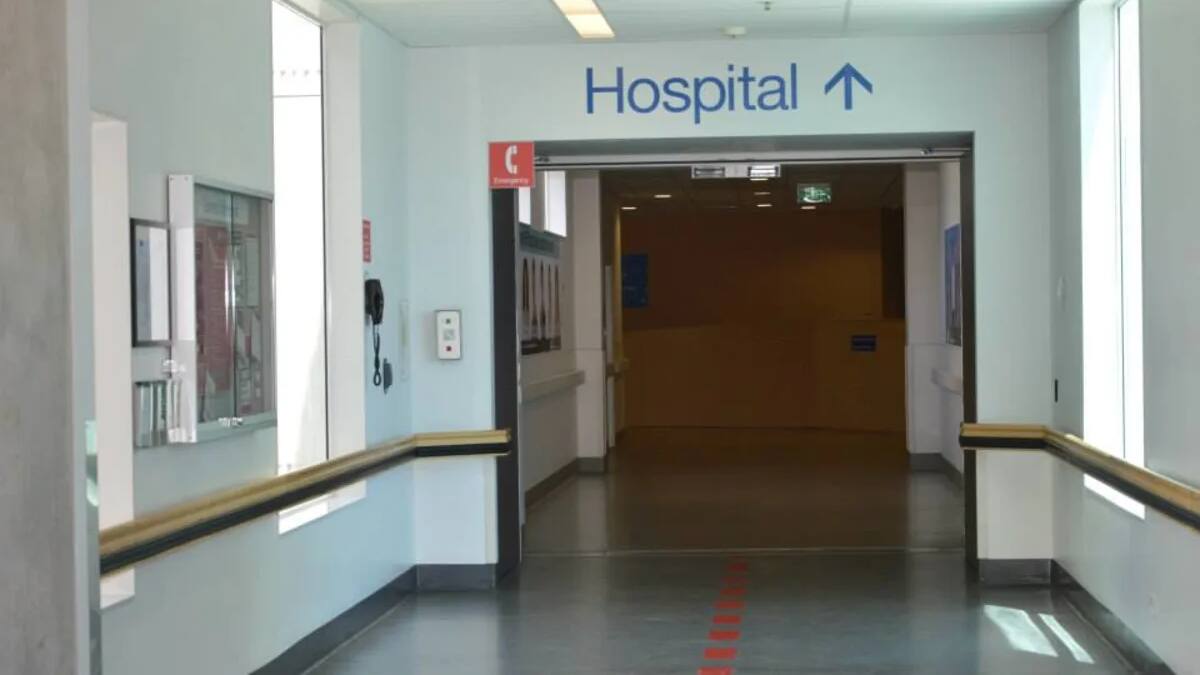
The spare waiting room chairs were out again, and the wait time for assessment varied, but three hours was not uncommon.
There were also patients who should have been on telemetry (heart monitors), patients who should have had broken limbs elevated, patients who should have been seen and had treatment initiated within 10 minutes, or 30 minutes, or even an hour of arriving, all waiting to see a nurse for their primary assessment.
I spent my shift answering questions about “how long?” (how long is a piece of elasticated string?), handing out oral analgesia in a hope that would be adequate for the pain the patient was suffering, replying to “is it always like this?” with “more often than not”, and sharing the Code of Health and Disability Services Consumers’ Rights (there is a poster on the wall but few actually read it) with those who were getting frustrated by the wait time and empowering them to take whatever action they felt appropriate.
I also invited them to share their experiences with hospital management in the hope that the voices of patients might be heard where the voices of nurses, medical staff and unions have not.
I went home from this shift knowing that “doing the best that you can” simply isn’t enough for our patients and definitely not enough to keep them safe from harm in our environment. I also went home knowing that the only nurse assigned to the waiting room as I left was my colleague – already working a four-hour block of overtime – and that when she finished her shift there would be no nurse specifically allocated to monitor the waiting room.
As often happens, staff would be redeployed from other areas, or the remaining two triage staff and another nurse covering six beds already in the ambulance bay would be “managing” this workload. Three hours later, a family was at a loss to understand why they were grieving.
My heart goes out to them. The reality of working in an emergency department is that your patients can be very unwell and sadly sometimes people do die. But that should happen in a bed in the ED supported with the nursing care they need, with their family around them.
The gut-wrenching thing for my colleagues and me is the lack of dignity and care this man had in his last moments.
Tracy Chisholm is the New Zealand Nurses Organisation emergency department delegate.
Catch up on the debates that dominated the week by signing up to our Opinion newsletter – a weekly round-up of our best commentary.