
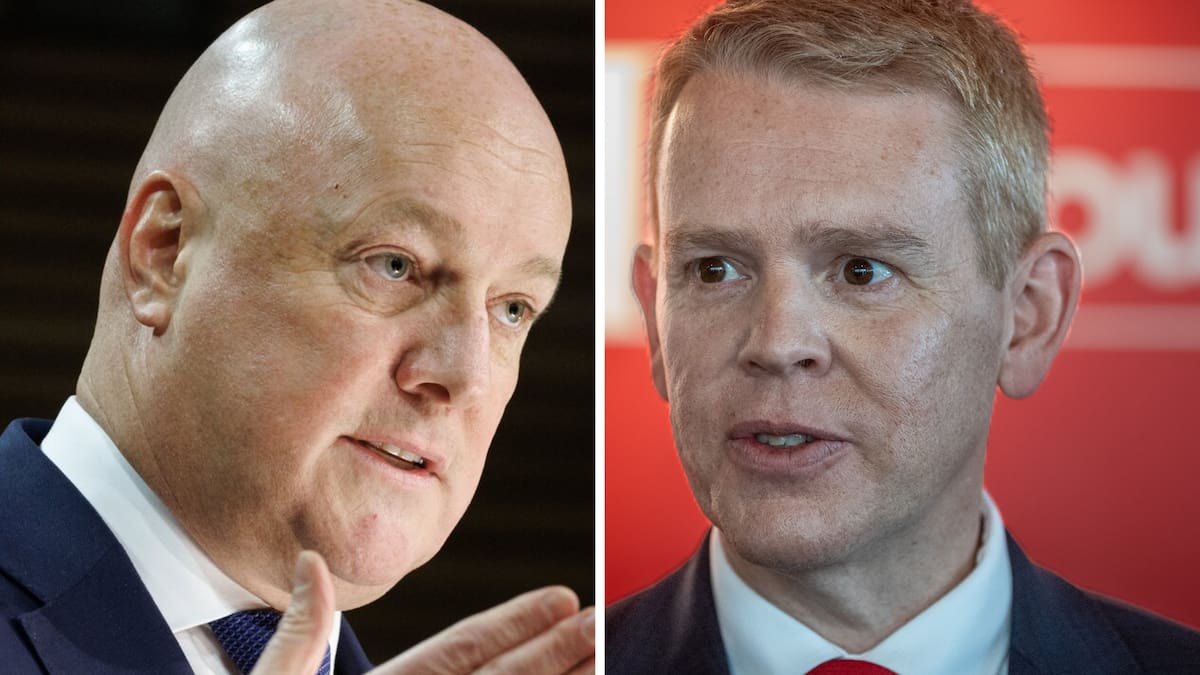
The concern over the sustainability of NZ Super as the population ages is such that both National and Labour are taking policies to the election to push people to do more to save for their retirements themselves via KiwiSaver.
National wants to make it compulsory for working people to contribute towards KiwiSaver, meanwhile Labour wants to require employers to contribute the equivalent of 6% of an employee’s salary/wage to KiwiSaver, regardless of how much the employee contributes.
The two major parties’ commitment to the Winter Energy Payment also comes as the Government’s books remain firmly in the red, while the cost of borrowing rises as spiking US Government bond yields send New Zealand Government bond yields higher.
The Government is expected to spend $595 million on the payment in the current year. People under 65, who are on a main benefit, are also eligible for the payment.
While there isn’t data publicly available on how much of the total currently spent on the payment goes to superannuitants, 63% went to this group in 2023.
This suggests that around $375m could currently be spent on helping superannuitants pay their power bills, regardless of whether they are millionaires or struggling.
Asked to justify this untargeted expenditure after talking up the Government’s commitment to being prudent, Prime Minister Christopher Luxon said, “It’s an entitlement that people want some certainty and security around and that’s why we are keeping it that way.”
Luxon said the payment, introduced by the Labour-NZ First-Green Government in 2018, was “established” and he didn’t want to change it.
Maintaining the Winter Energy Payment was something National and NZ First included in the coalition agreement they signed when they formed a government in 2023.
Pushed for a second time to sell the policy going into the November election, Luxon deflected, pointing the finger at Labour for promising to fund three free GP visits a year for everyone.
“That’s a bigger problem,” Luxon said of Labour’s untargeted spending commitment, which is expected to cost $553m annually.
Asked to justify his support of a universal Winter Energy Payment for superannuitants, Labour leader Chris Hipkins said, “They paid taxes through their working life, they’ve contributed, they get the pay-back that comes from NZ Super and the Winter Energy Payment.”
Labour wants to tax and spend more than the coalition Government.
It wants both core Crown revenue and expenditure to be “held at around 33%” of gross domestic product (GDP), once its capital gains tax is fully implemented.
Both measures are currently below the 33% mark.
Under the coalition Government’s plans, revenue is expected to rise to around 31% of GDP by 2030, while expenditure is expected to hover around 30%.
Net core Crown debt is a little lower than forecast at the Budget, at 41% of GDP. It is expected to continue rising, before dropping. Pre-Covid, it was below 20%.
Jenée Tibshraeny is the Herald’s Wellington business editor, based in the Parliamentary Press Gallery. She specialises in government and Reserve Bank policymaking, economics and banking.
Stay ahead with the latest market moves, corporate updates, and economic insights by subscribing to our Business newsletter – your essential weekly round-up of all the business news you need.