
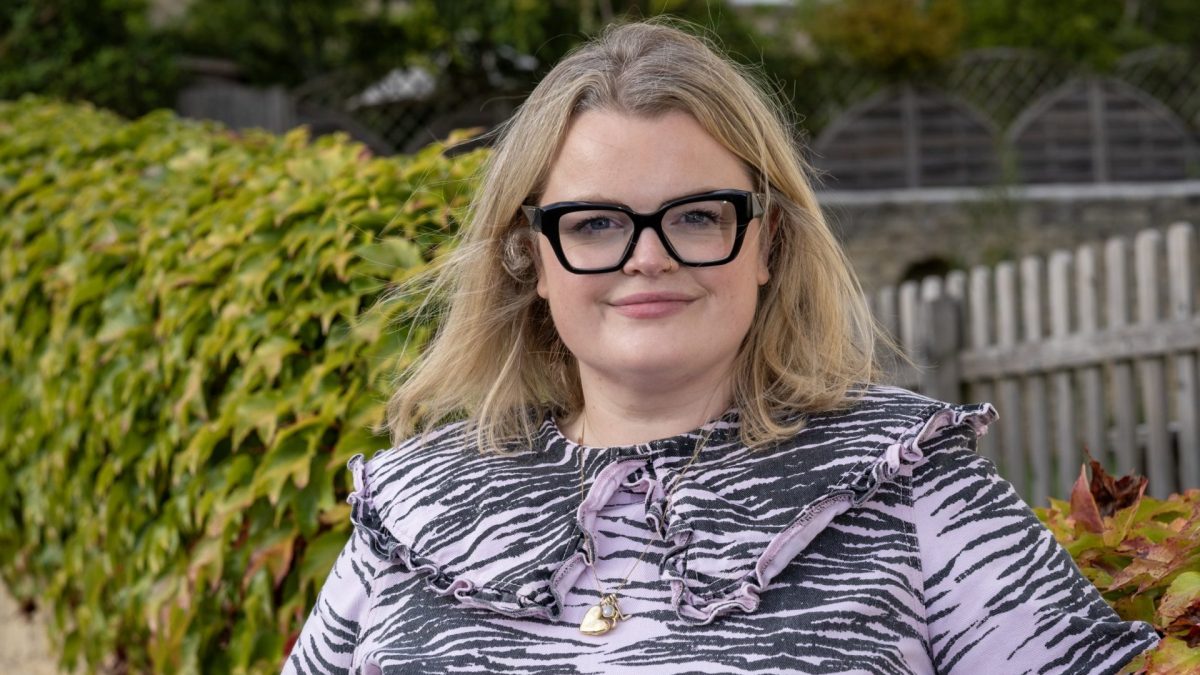
The meal is over and as I start carrying plates from the table to the sink to begin the washing up, a relative follows me to continue a conversation started during dinner.
She has been telling me about a dinner party she’d hosted where none of the guests ate what she cooked or drank any wine with her because they were all on GLP-1s. “I just don’t think it’s the right way to lose weight,” she says plaintively. “It can’t be good for their health”.
I keep my gaze focused on the task in front of me: ferociously scrubbing some sugar that had caramelised on the edge of a baking tray. “I don’t know,” I say weakly, as I try to round off the chat. “I think everyone is different and what might work for some might not work for others”.
I feel uncomfortable, not only because I am obese and she is naturally very thin – making me feel like the de facto spokesperson for the overweight population in this conversation – but also because I am on the drugs, as only my husband, best friend and pharmacist know.
Shorts
Scroll to previous short
Scroll to next short

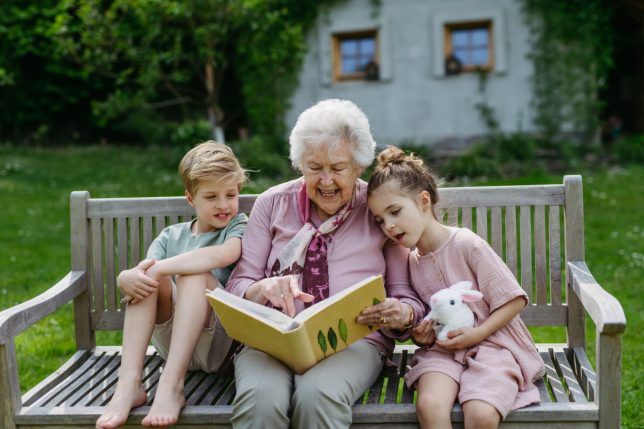 Children are responsible for their parents, it’s not the job of the state to take over when it gets messy and inconvenient (Photo: Halfpoint Images/Getty)
health
How reading for pleasure can improve your health
Academics at the University of Cambridge found that reading boosts mental health and is linked to better cognitive performance at any age.
Reading for wellness
The review, published in the Psychological Medicine journal, found that reading can offer benefits for people of any age.
Pyschiatrists Professor Barbara Sahakian and Dr Christelle Langley said book clubs and reading groups “can provide additional benefits through social interaction”.
 Caption: Australia, Sydney, University of Sydney education campus Fisher Library books stacks shelves. (Photo by: Jeff Greenberg/Universal Images Group via Getty Images)
Photographer: Jeff Greenberg
Provider: Universal Images Group via Getty
Source: Universal Images Group Editorial
Copyright: ?JeffreyGreenberg@aol.com

2 min read
What are the benefits?
Data suggests reading can enhance cognitive development and academic performance in children, and slows mental decline later in life.
 Caption: OXFORD, ENGLAND – AUGUST 25: Books sit on shelves in the Duke Humphrey???s Library at the Bodleian Libraries on August 25, 2020 in Oxford, England. The world famous libraries closed in mid-March due to the coronavirus pandemic. After putting in strict social distancing measures the Oxford University Libraries have partially opened for students and academics. A gradual reopening to the public, via online booking, begins on September 1. (Photo by Christopher Furlong/Getty Images)
Photographer: Christopher Furlong
Provider: Getty Images
Source: Getty Images Europe
 Switch off the screens in the evening (Photo: Imgorthand/Getty)
The report examined data from previous trials and surveys, finding that adults who regularly read had 33 per cent lower risk of developing Alzheimer’s.
What the experts say
We should be doing everything we can to introduce children and young people to reading. The important thing is to find something they’d really enjoy reading about – it might be a TV programme or a game – and use this as a way in.
Dr Christelle Langley of the university of cambridge
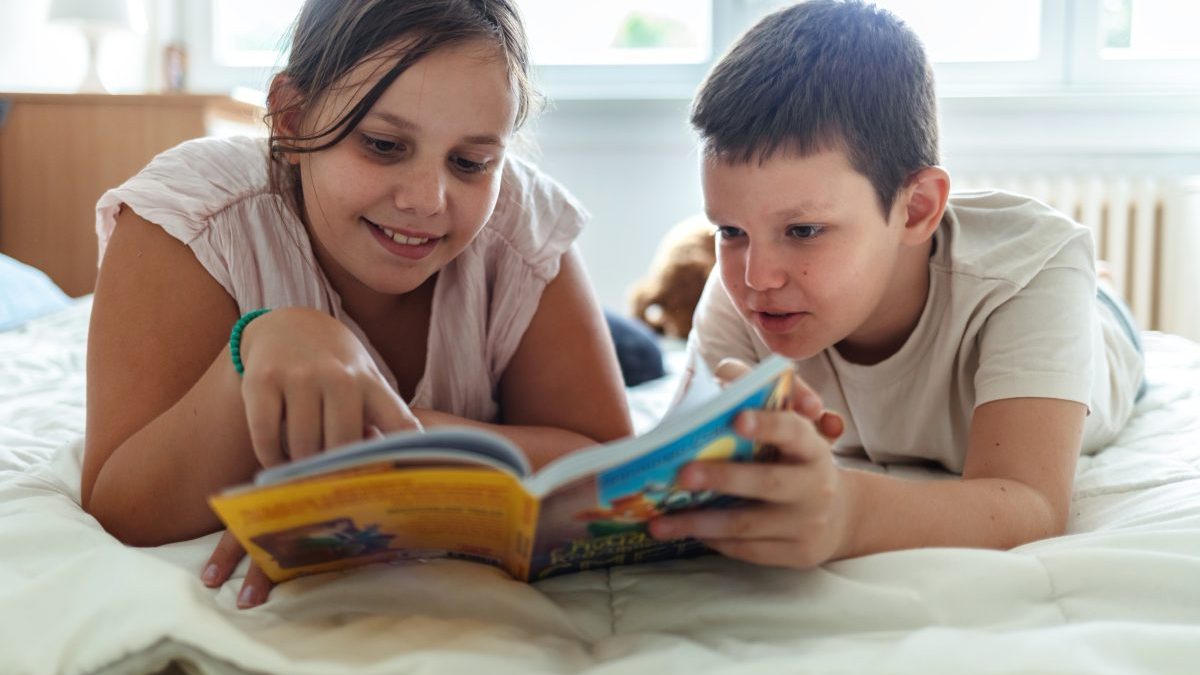 Boy, sister and reading book on sofa house for knowledge, bonding and learning literature, fantasy and language development. Family, girl and storytelling, education and information of child growth. – stock photo. (Photo: Getty)
politics
State pension likely to rise by 3.9% – everything we know
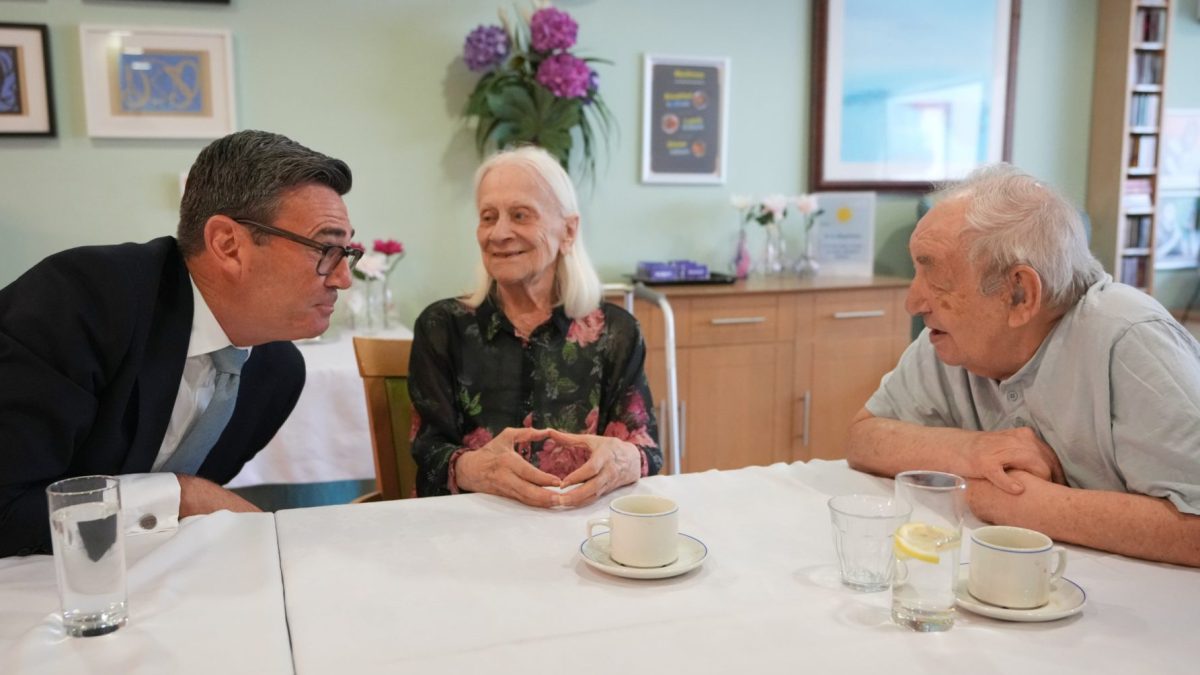
The state pension is on course to rise above £13,000 a year for the first time from next April, according to new wage data used to calculate the increase.
The rise will push the full new state pension above the income tax threshold for the first time.
How is state pension calculated?
It rises each April under the triple lock – so it increases by whichever is highest of average wage growth, inflation or 2.5 per cent.
The final figure will be confirmed by the Treasury at the Budget on 28 October, once the inflation data is published on 21 October.
 Caption: Pedestrians walk outside the Bank of England (back L) in the financial district in London on July 30, 2026. The Bank of England held its benchmark interest rate at 3.75 percent on July 30 but warned of higher inflation to come owing to the US-Iran war pushing up energy prices. (Photo by Henry NICHOLLS / AFP via Getty Images)
Photographer: HENRY NICHOLLS
Provider: AFP via Getty Images
Source: AFP
Copyright: AFP or licensors

3 min read
How much will the state pension rise by?
The full new state pension, paid to people who reached state pension age after April 2016, is set to rise from £241.30 to £250.70 a week.
The full basic state pension, paid to those who reached pension age before April 2016, is set to rise from £184.90 to £192.10 a week.
Both rises are smaller than had been expected a month ago.
The tax pensioners could pay
The expected rise will take the full new state pension above the £12,570 income tax personal allowance for the first time.
Pensioners whose sole income is the state pension are not expected to have to pay tax on this. But others may have to pay around £91 in tax over the 2027-28 financial year.

4 min read

4 min read
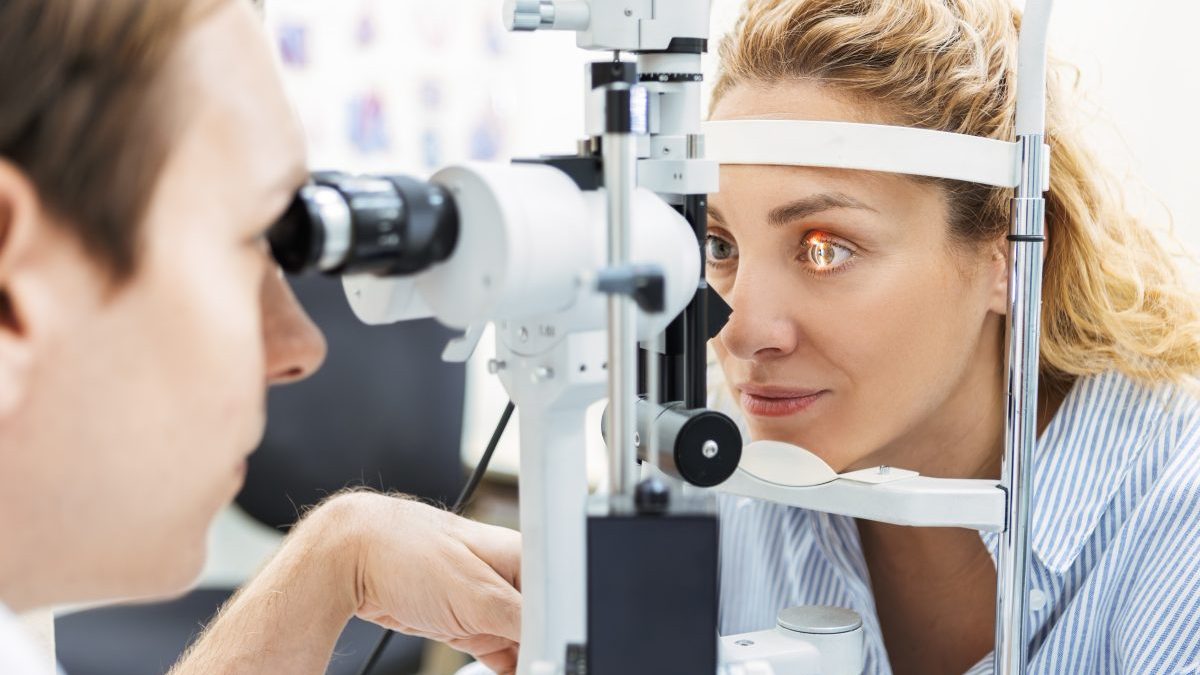 Woman Undergoing Vision Test at Eye Doctor – stock photo. (Photo: Nastasic/ Getty)
HEALTH
How eye scans could pick up common heart condition
Researchers at Moorfields Eye Hospital and UCL Institute of Ophthalmology found this could be a non-invasive way to flag atrial fibrillation (AF) before it causes “real harm”.
What you need to know
The study found that those with AF have thinner retinal layers – the light-sensitive layer of eye tissue.
This means eye scans could be used to complement electrocardiograms (ECGs), which are currently used to diagnose AF.
Siegfried Wagner, of UCL, said retinal imaging could help catch “those most at risk of developing AF before it causes real harm”.
The imaging is easy to access, quick and doesn’t involve any invasive procedures.
The story in numbers
90,000
Researchers looked at data from more than 90,000 people. Of these, 6,261 patients already had AF.
They found that patients who did not have AF at the time of the eye scan, but went on to be diagnosed, already had thinner retinal layers.
1.5 million
An estimated 1.5 million people in the UK have AF, though hundreds of thousands more could be living undiagnosed.
The condition itself is not life-threatening but it can create blood clots which can cause strokes.
What does it mean?
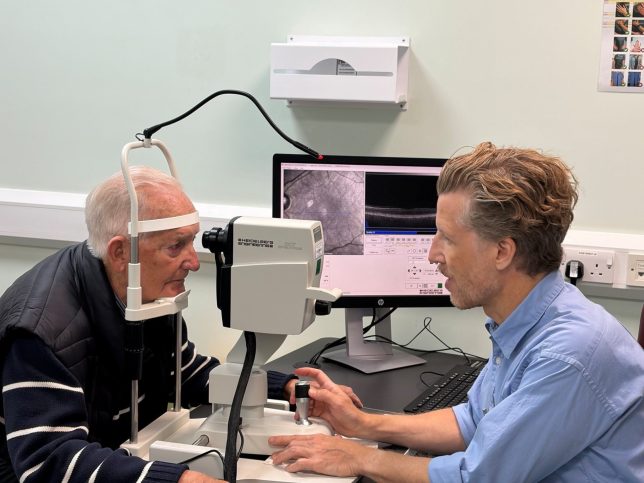 Caption: Undated handout photo issued by Moorfields Eye Hospital of John Brewer (left) with Josef Huemer, consultant ophthalmologist at Moorfields Eye Hospital. Mr Brewer, from Croydon, was told he had atrial fibrillation while on the operating table. It comes as a study by Moorfields Eye Hospital NHS Foundation Trust and UCL Institute of Ophthalmology found eye scans could detect AF on average four years before diagnosis. Issue date: Tuesday September 15, 2026. PA Photo. Photo credit should read: Moorfields Eye Hospital/PA Wire
NOTE TO EDITORS: This handout photo may only be used in for editorial reporting purposes for the contemporaneous illustration of events, things or the people in the image or facts mentioned in the caption. Reuse of the picture may require further permission from the copyright holder.
Photographer: Moorfields Eye Hospital
Provider: Moorfields Eye Hospital/PA Wire
Source: PA
Moorfields patient John Brewer said: “It would have been so much easier if my AF had been detected earlier through a routine retinal scan at one of my regular appointments.”
Experts suggest that while eye scans would not replace ECGs to diagnose AF, they could be a “complementary tool”.

4 min read
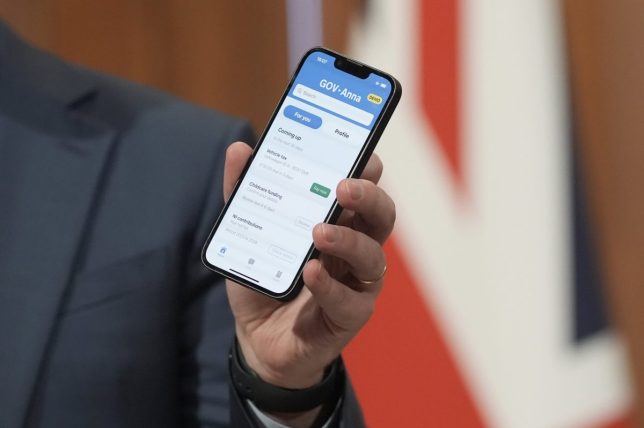 The Government will also conduct in-depth interviews and discussions with groups considered to be digitally excluded or underrepresented (Photo: Stefan Rousseau/PA)
news
Digital ID to be accepted as proof of age for alcohol
Changes to the licensing act which came into force on Tuesday mean pubs and retailers in England and Wales will be able to accept digital ID as proof of age to buy alcohol under new rules.
How will it work?
App-based ID
The ID will be available through third-party apps like Yoti, which is already used in cinemas.
 Australia and the UK have pressed ahead with bans on social media for some young people (Photo: Yui Mok/PA)
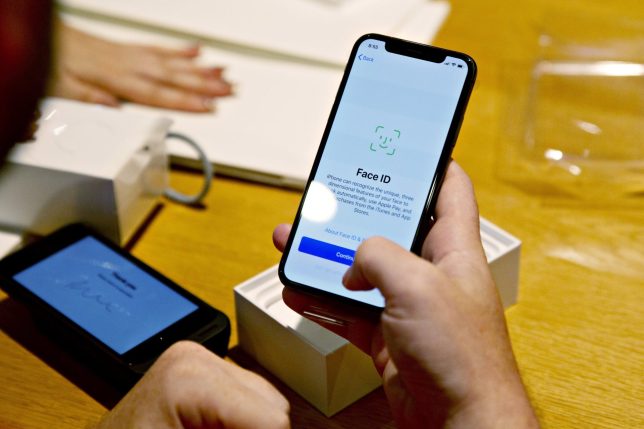 Caption: A customer sets up Face ID on an Apple Inc. iPhone XS during a sales launch at a store in Chicago, Illinois, U.S., on Friday, Sept. 21, 2018. The iPhone XS is up to $200 more expensive than last years already pricey iPhone X and represents one of the smallest advances in the product lines history. But that means little to the Apple Inc. faithful or those seeking to upgrade their older iPhone. Photographer: Daniel Acker/Bloomberg via Getty Images
Photographer: Bloomberg
Provider: Bloomberg via Getty Images
Source: Bloomberg
Copyright: ? Bloomberg Finance LP 2018
Authentication process
Customers will need to prove their ID each time they use the app, e.g. by scanning their face or entering a code.
Token generated
This will generate a token, like a QR code, which will be valid for a 30 second window.
 The Government has made a statement on support for pubs (Photo: Dan Kitwood/Getty Images)
Why do we have digital IDs?
Digital Government Minister Stephanie Peacock said: “This groundbreaking change in the law will mean you do not need to carry a physical ID, nor hand over sensitive personal information such as your name or address just to prove your age.”
 Sir Keir Starmer announced he would introduce a system of digital ID across the UK before the next general election (Photo: Chris J Ratcliffe/AFP)
 Caption: Small half and quarter bottles of spirits for sale in a corner shop off-licence on 27th June 2025 in Swansea, Wales, United Kingdom. Spirits are distilled alcohol in various forms, seen here as whiskey, rum and vodka. (photo by Mike Kemp/In Pictures via Getty Images)
Photographer: Mike Kemp
Provider: In Pictures via Getty Images
Source: In Pictures
Copyright: Mike Kemp
Mandatory digital IDs had been proposed by the Starmer government, but this was watered down, then scrapped by Andy Burnham in July this year.
What happens next?
It is understood the government wants to expand the digital ID system to sales of tobacco and vapes next. Pubs and shops are not expected to stop accepting physical forms of ID.
Peacock said: “It will remain an individual or business’ choice whether to use or adopt it, and physical ID will remain a valid way for customers to prove their age.”

2 min read

Exclusive
2 min read
One in five Britons uses AI to keep up with news
There has been a “dramatic shift in how news is being distributed and consumed”, according to Ofcom.
 ‘Few of us have a warm relationship to email,’ says James Bell (Photo: Dominic Lipinski/PA)
What you need to know
Communications regulator Ofcom has released its annual News Report and has found that 21 per cent of Britons now use AI to keep up with the news.
Chat GPT was the most popular AI tool for this purpose, used by 13 per cent of adults polled.
Ofcom noted this was more popular among younger adults and those from more affluent households.

1 min read
A closer look at the figures
Social media remains the most common source of news, used by 60 per cent of adults. Facebook was the most popular, with YouTube in second.
The BBC is still the most used news provider overall, reaching 80 per cent of adults in the past month.
People spend an estimated 72 minutes consuming the news each day. 57 per cent of adults get this through news publishers’ websites and apps.
What does this mean?
Ofcom’s director of market intelligence, Ian Macrae, said “today’s ‘always on’ environment” means many people are finding the news through AI.
He added: “While audiences are discovering news in new ways, they remain discerning about the sources they trust… and public service media brands continue to play a vital role.”

3 min read
Content ‘still comes from established broadcasters’
The regulator also noted that while social media and and AI are “important gateways to news, much of the content encountered via these channels still comes from established broadcasters”.

6 min read

3 min read
How to be more grateful for daily life in five easy steps
Gratitude
The world feels like a difficult place at the moment, and it can feel very hard sometimes to find things to be thankful for; when we are overwhelmed, we have less capacity to notice and reflect on the good things. Yet, ironically, proactively cultivating gratitude is one of the things that can actually help us feel less stressed.
NHS GP dR RADHA
The science
Research has shown that feeling or expressing thanks can actually alter our brain.
The balance of neurotransmitters change; more serotonin and dopamine (feel good chemicals) are produced.
This can be long lasting if we make gratitude a regular habit.
We also get a decrease in our cortisol (stress hormone) levels which helps lower anxiety.
Being grateful can strengthen the nerve pathways which triggers positive emotion.
How can we build gratitude?
 Caption: Two adult brothers enjoy a warm embrace in a sunny park. They stand beside a decorative fence surrounded by lush greenery, showcasing a strong bond and happiness in the moment.
Photographer: Beatriz Herrera
Provider: Getty Images
Source: iStockphoto
Copyright: beatrizherreragonzalez@gmail.com
Change your words
Instead of seeing something as a problem, try to see the opportunities within it.
Journal
Our brains are very receptive and what we read or write can alter our emotional system.
 Caucasian mid adult patient writing a diary while recovering in the hospital ward – stock photo. (Photo: Getty)
 ‘One question is how to achieve such a longevity hack when most of us have relationships that unsettle us,’ says Dr Amir Levine (Photo: Oliver Rossi/Getty)
Express it
This will not only make you feel good, but you will also get a positive response from others.
How can we build gratitude?
Notice more
Throughout your day, try to notice all the things that are going well; has someone opened a door for you, or smiled?
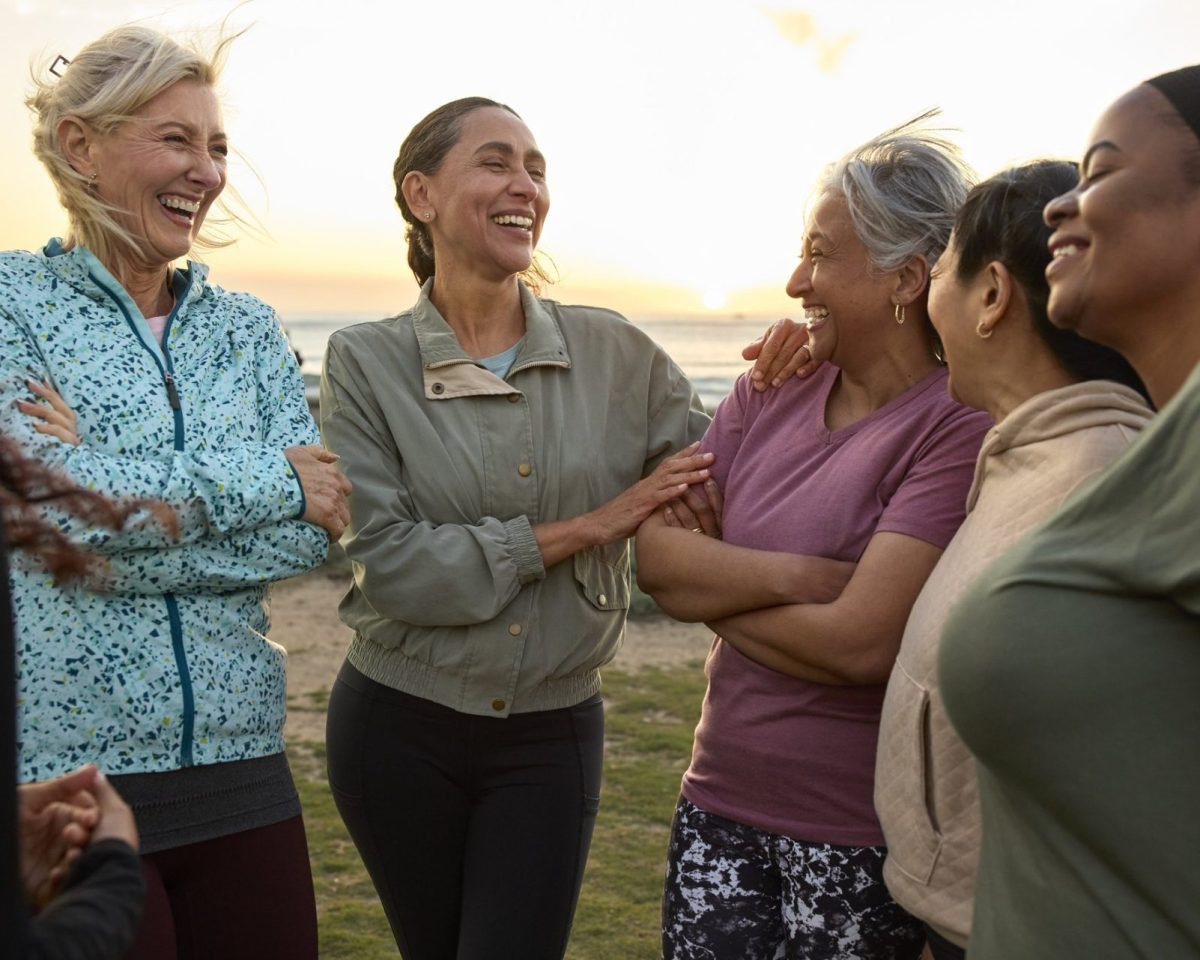 Exercise with people you love (Photographer: Morsa Images/Getty/Digital Vision/Abel Mitj? Varela)
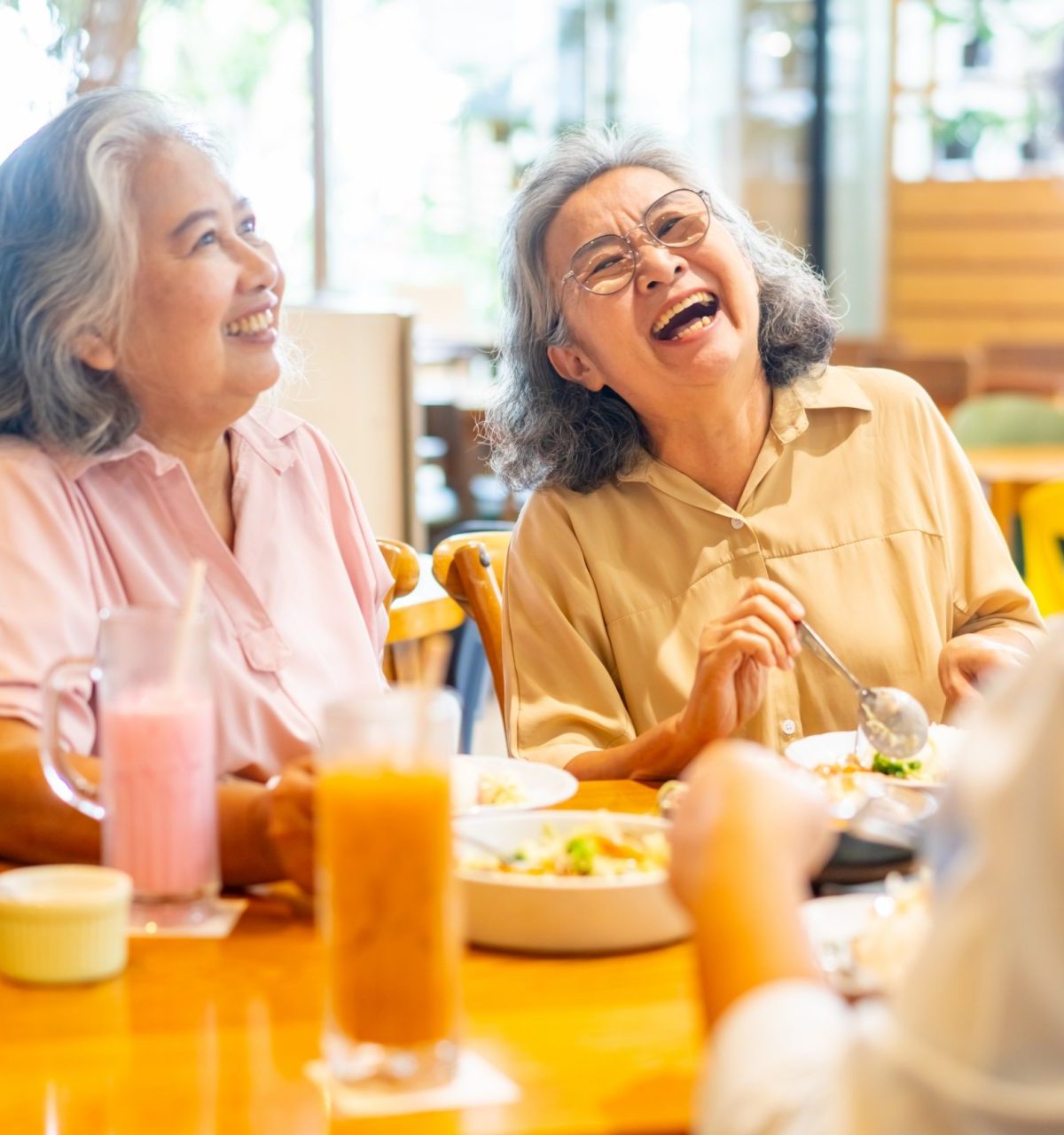 Caption: Group of Happy Asian senior women friends shopping and having lunch at restaurant on summer holiday vacation. Healthy elderly woman enjoy outdoor lifestyle meeting and eating food together.
Photographer: CandyRetriever
Provider: Getty Images
Source: iStockphoto
The basics
By being thankful for the small things every day, we are far more likely to be and stay healthy so that we can enjoy them.
What to do
Gratitude can lead to feelings of optimism, lower our blood pressure, and improve sleep quality.
Write down what potential good aspects there are to the things you don’t feel like doing, or even what could be worse about it.
Spend a few minutes writing down three things that you are looking forward to that day, or the good things that have happened to you that day.
Say thank you to yourself for the things you have achieved, or managed to get through and changed that day.
Sales of battery
electric vehicles hit a record high last year.
Leon Poultney, a writer who specialises in cars, gives his EV recommendations, and the ones that should be avoided.

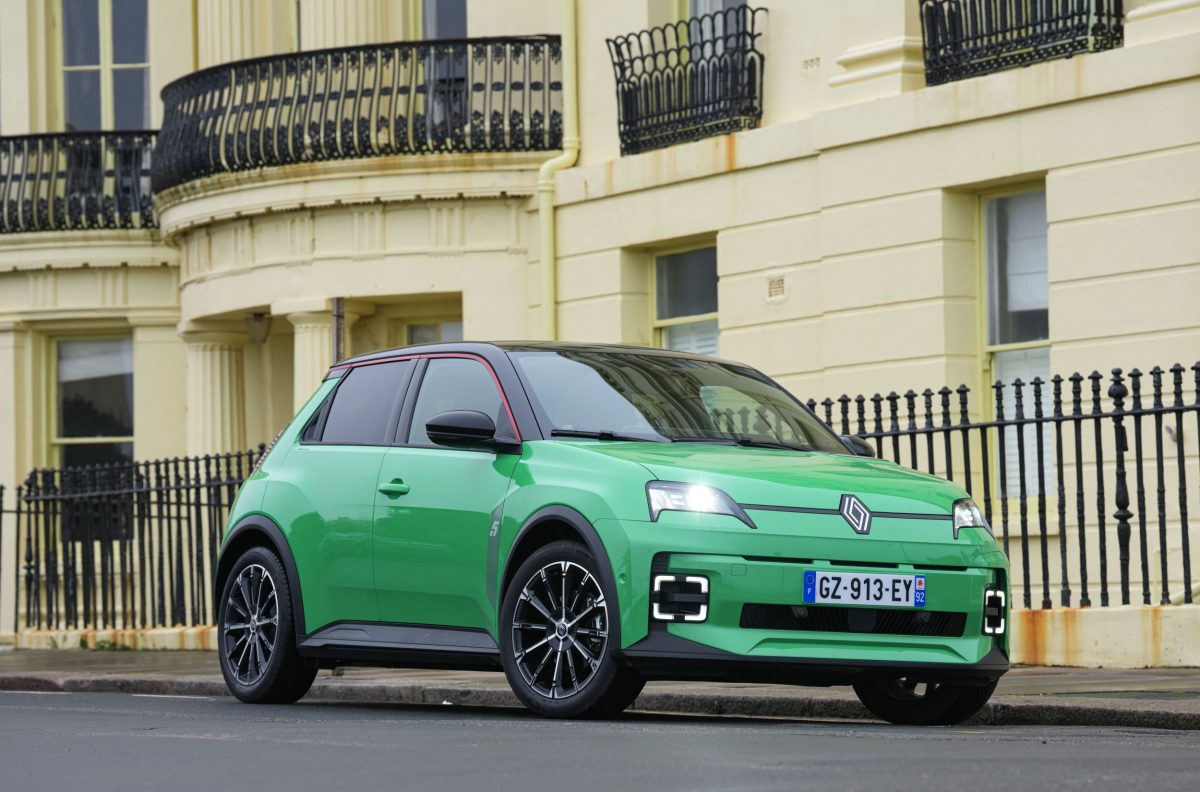
Renault 5 E-Tech
Starts at £22,995 for the smaller battery
Available with either a 40kWh battery or a larger 52kWh pack, that offers almost 255 miles, the latest, retro-inspired Renault 5 is both a joy to behold and a hoot to drive.
The interior has been lavished with a level of detail that’s typically reserved for more expensive cars.

4 min read
Mercedes-Benz CLA
A champion of EV efficiency

It offers a remarkable 491 mile range on a single charge from the 85kWh battery.
It is a technological masterclass inside with the ability to option screens that span the entire width of the dashboard, including an optional display for the front passenger.
Priced from £37,400

2 min read

Porsche Macan GTS
It’s a lot of money to part with, but this is arguably all the car you will ever need.
The £89,000 Macan is a premium SUV that somehow manages to blend Porsche’s reputation for dynamics and sporty driving with everyday practicality.
The 95kWh batteries can go from 10 to 80 per cent in as little as 21 minutes from the fastest public charging outlets.
Kia EV 9
With the business class-style six seat configuration costing a staggering £76,995, it is by far the most expensive Kia ever made, but it backs up its financial demands with a suite of genuinely useful and impressive onboard technology.


MG IM6
It’s fast, goes a long way between stops and charges relatively quickly but the interior is bland, the onboard technology is infuriating and the experience is devoid of emotion.
BYD Dolphin Surf
All of its gadgetry can’t disguise the fact that performance is weak, even for a typically zippy EV, the ride is fussy at slower speeds and it’s not in the least bit enjoyable to drive on a country road.

While good value (prices start at £17,935) for the 200-mile max range, there are more interesting options from Hyundai, Citroen and Renault for similar money.
Leapmotor T03

It attempts to wow with tech, much of which hinders, rather than helps.
There’s no tangible benefit over mounting your phone to the dash.
Simply an average driving experience, adequate range and slow charging speeds.

2 min read
The kitchen gadgets and products a food editor swears by, all under £25
The kitchen gadgets under £25
 Caption: best kitchen gadgets
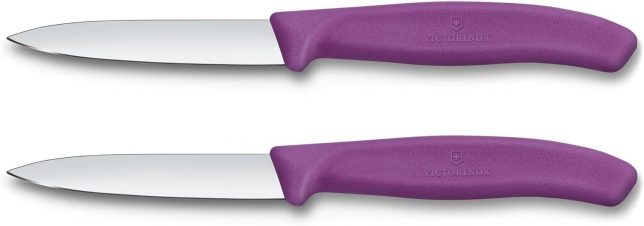
Victorinox paring knife
It’s comfortable to hold, with a point sharp enough for scoring pastry.
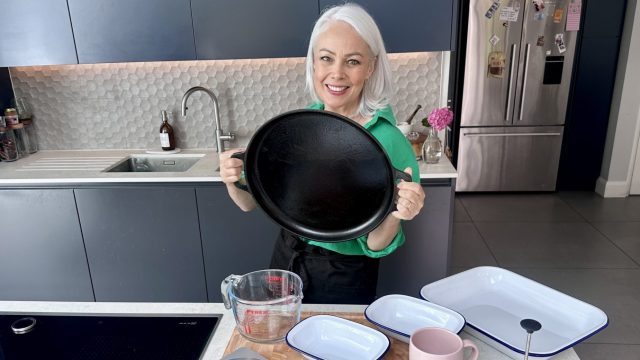
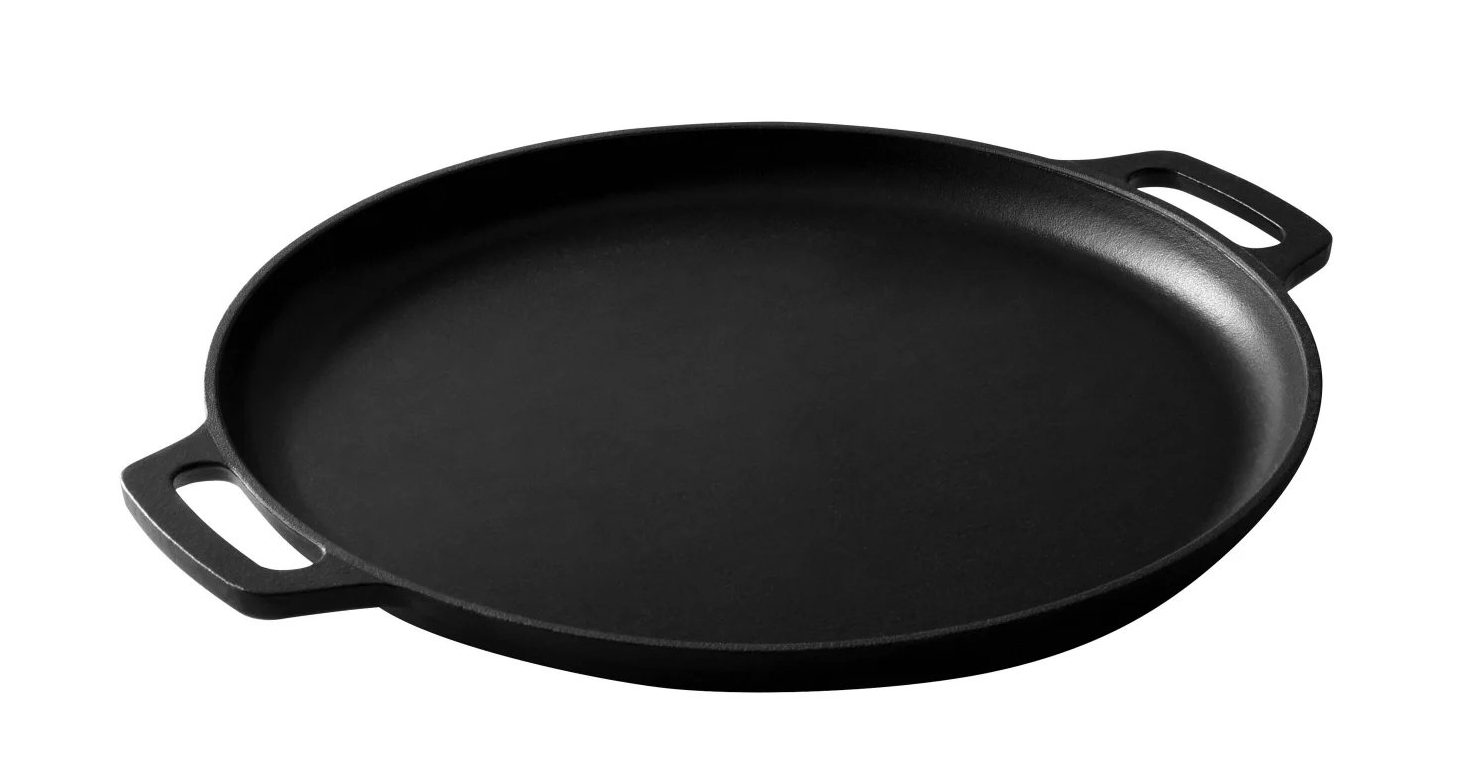
ProCook cast iron pan
For unbeatable searing and heat-retention, cast iron is the top choice.
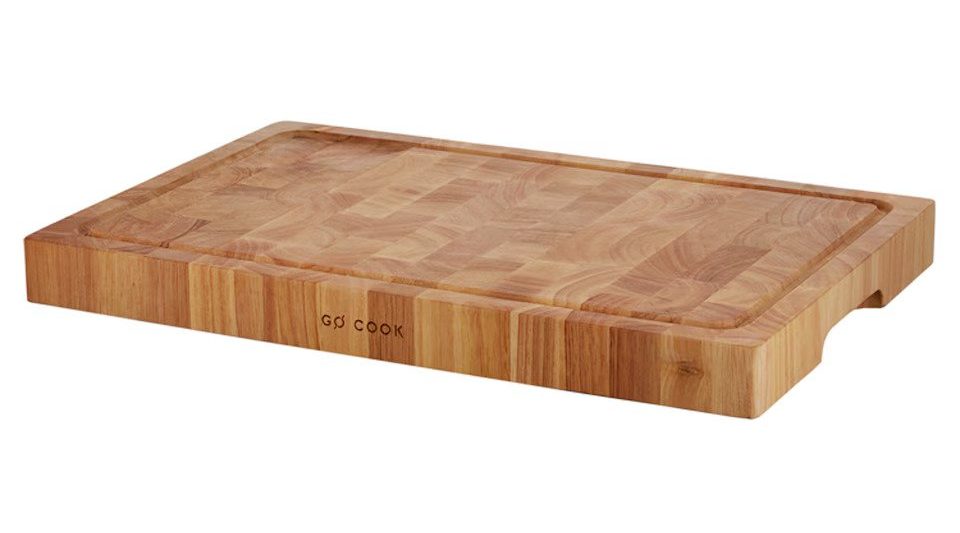
Tesco chopping board
Priced at just £22, I’ve yet to find another board that matches it for sheer value and quality.
The kitchen gadgets under £25
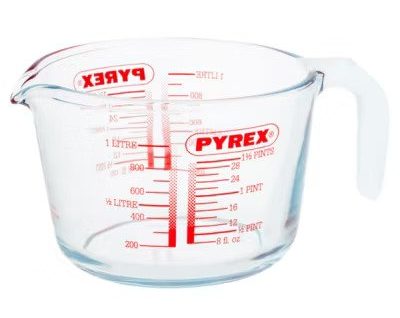
Pyrex jug
It is the perfect vessel for blending smooth sauces, melting butter, or warming stock. It won’t stain like plastic and the red measurements never fade.
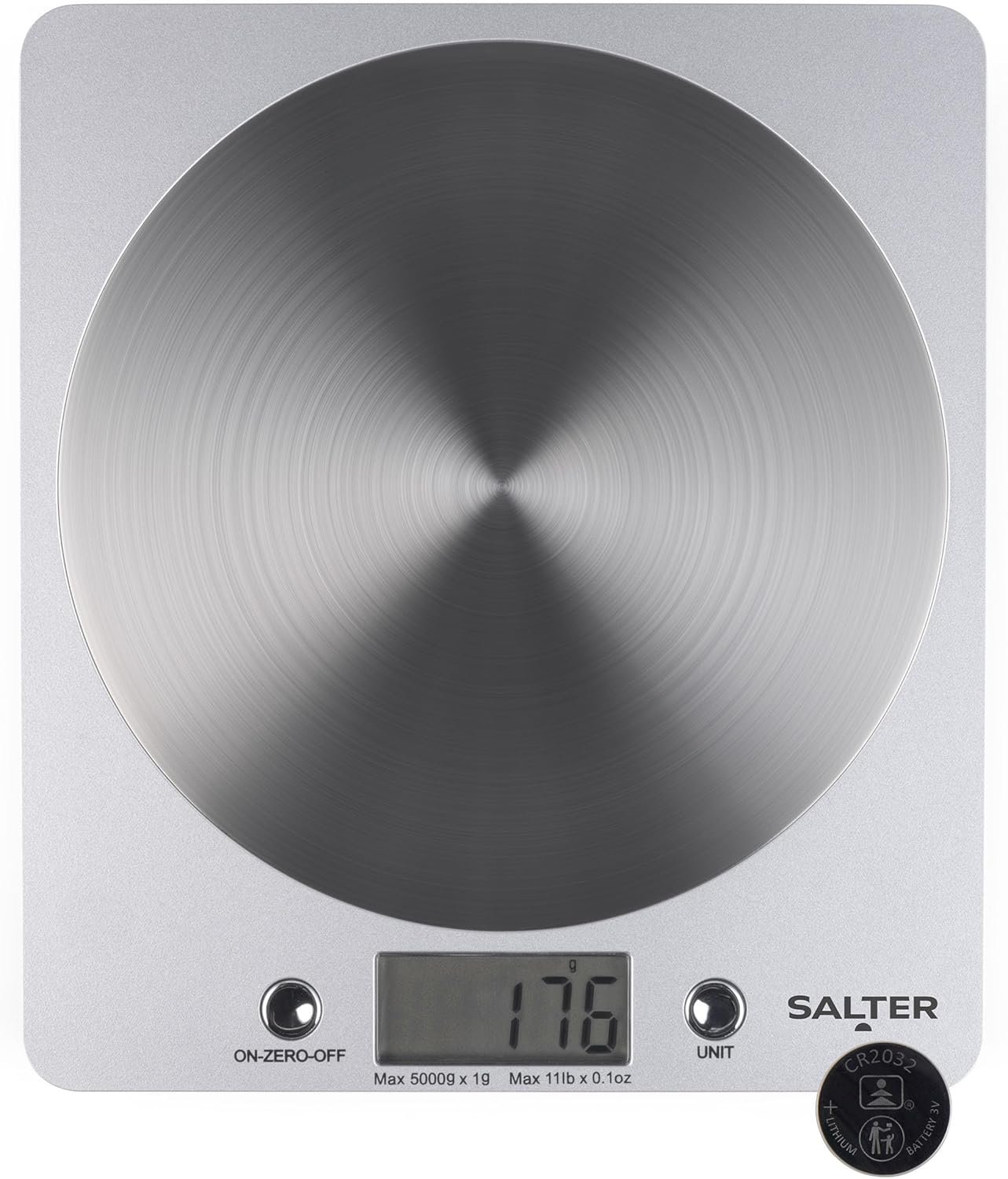
Salter scales
“I’ve had my slim little set of Salter Disc Scales for over a decade, and I’m delighted to see they are still made to exactly the same reliable design today.”
Microplane grater
It uses photo-etched stainless steel teeth that stay razor-sharp for a decade, something the lookalike copycats simply can’t match.
Braun hand-held blender
It’s an essential for everything from making velvety soup to getting the lumps out of white sauce.
Bodum cafetiere
As well as delivering great results, cafetieres are easy to clean and there’s no ongoing filter paper costs or pod recycling to deal with.

5 min read
The kitchen gadgets under £25
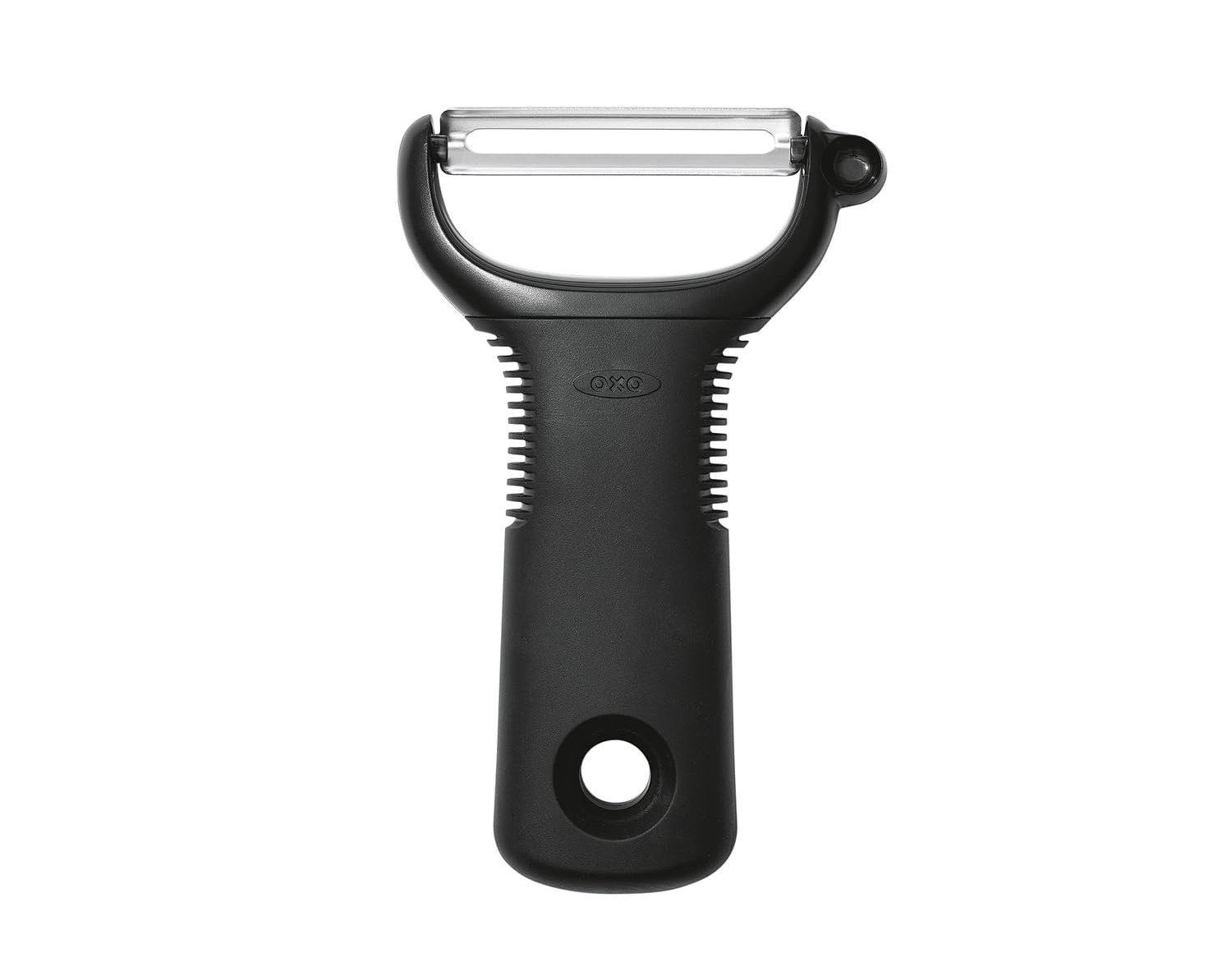
Oxo peeler
What truly sets it apart is the chunky, rubberised handle that absorbs pressure and stays completely non-slip, even if your hands are wet. It is inexpensive and incredibly durable.
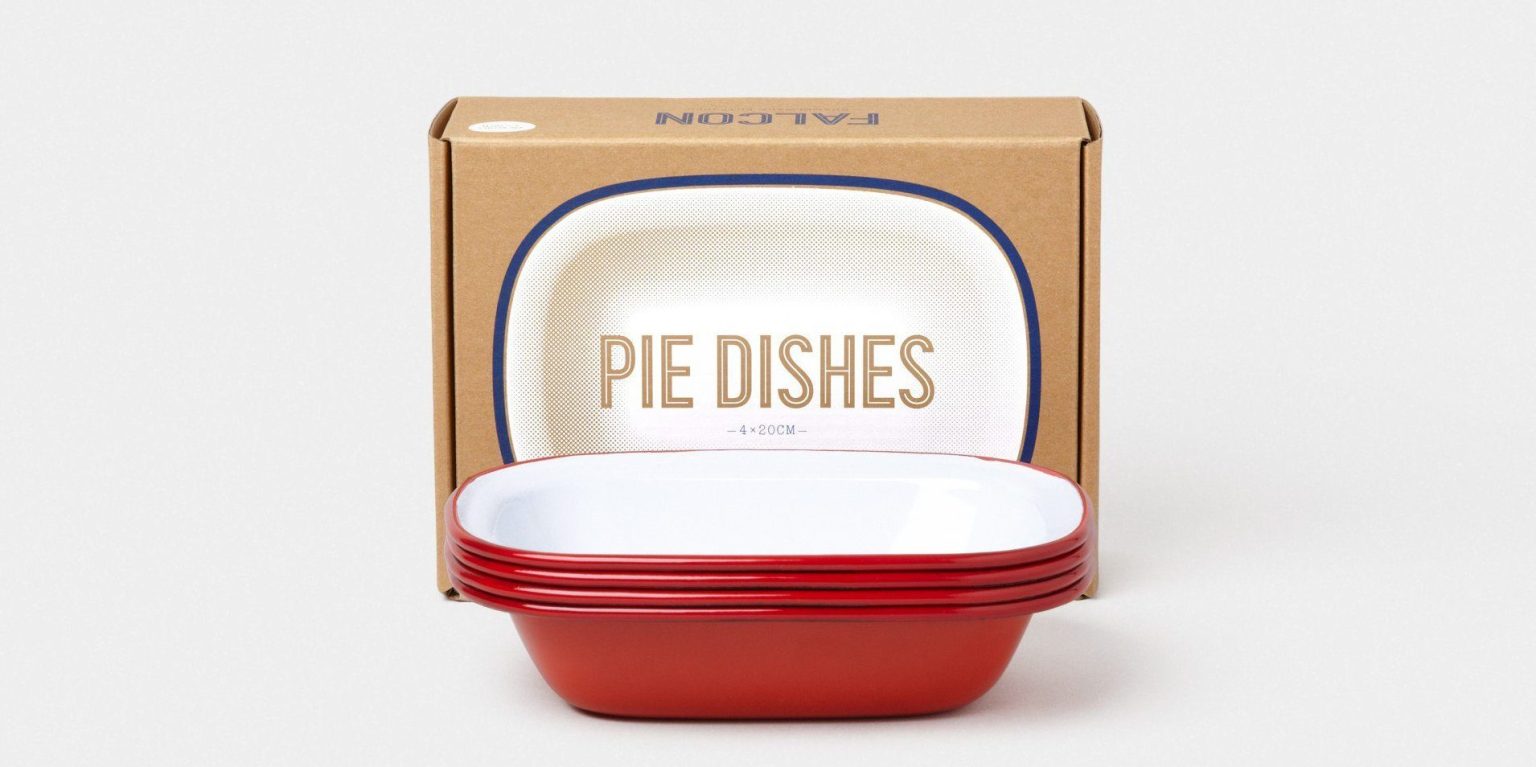
Falcon pie dish
Made by fusing porcelain onto heavy-gauge steel for smooth durability, it is dishwasher, freezer, hob, air-fryer and oven-safe.
I didn’t plan on keeping this information a secret, I just wanted a bit of space and privacy to see how I got on before inviting in an audience. It is May 2026, and this is my second time on GLP-1s (I’d previously tried in 2025 and had a spectacularly bad experience that resulted in a mental health crash). I wrote about this in an article and swore off them completely.
But after 10 months of trying to lose weight the old-school way — eat less, exercise more — which brought with it many positive changes in my health markers but precisely zero weight loss. I was exhausted and ready to try the drugs again.
Yet, I felt anxious about public opinion. More than anything else I was frankly terrified of being called a hypocrite. And so I kept my inner circle small.
Since the last attempt quite a lot had changed; my kids were a bit older, I was no longer in the postnatal period, I had had some very good therapy that better equipped me to deal with any anxious feelings that might come up and I wanted to confront my fear of taking them.
I was also so tired of living in a body that made it hard to feel comfortable. Not because of how people viewed or judged my size — I let go of that concern a long time ago — but because I was the heaviest I’d ever been and it was having an impact on my wellbeing. I had less energy, my joints hurt, I had a back injury that wasn’t getting better and also yes, I wanted my clothes to fit better.
My first and second start couldn’t have been more different. The first time, I was trying to figure it all out on my own, panicking at every side effect and unsure how to respond to my reduced appetite (and so eating nothing at all). The second time I felt empowered, confident and well-resourced, and more importantly, I started to see the results I had been pulverising myself to try to achieve for months on end with no joy.
I knew it was time to be honest about taking them to my friends and wider audience, but I couldn’t shake the feeling that I’d be letting some people down — those who may have found my social media account in the heyday of body positivity through my writing in support of fat people.
I never set out to be a ‘fat positive writer’ or even a ‘body positive’ one — it was mostly a case of time and circumstance. In the late 2010s, in the boom of the Body Positivity era, there was huge demand from editors for writing from the perspective of women living in bigger bodies.
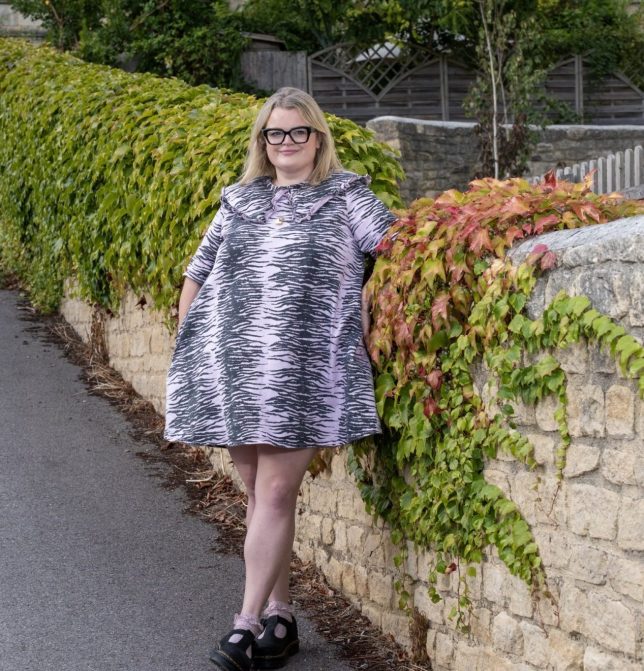 ‘Being labelled a body-positivity writer brought a responsibility to perform a level of self-acceptance that in truth I had not reached and wasn’t sure could ever exist for me,’ writes Rose (Photo: Gavin Crilly Photography)
As someone who had been obese, lost a lot of weight and was adept at writing about the nuance of the conversation around weight, health and bodies, I was soon receiving regular commissions from national papers and magazines.
Ironically, at the time, I was the lightest I’d been for most of my adult life, although still a UK size 18 — so still not thin by many people’s standards. I’ve often wondered since then whether being smaller than I am now made me a more palatable voice for this message.
I was happy to write on this topic, fighting the pervasive narrative that only thin could mean beautiful and challenging the idea that being overweight was synonymous with unhealthy.
At no point did I reject the science of metabolic health, nor suggest loving yourself was an easy or even possible task. I came of age in the late 90s and had acquired the requisite self-hatred expected of women so knew that a few ad campaigns telling us to celebrate our differences, or the presence of bigger clothes in the shops, weren’t enough to update an internal operating system programmed to loathe itself.
Having previously described myself as a women’s health journalist, at some point I was assigned a new label: a body-positivity writer. It is a label I have wrestled with over the years, because it reclassifies my science-based journalism as advocacy. And also because at times it brought with it a responsibility to perform a level of self-acceptance that in truth I had not reached and wasn’t sure could ever reach.
It also made the notion of trying to lose weight feel more difficult to consider. The watered-down pop-culture version of body positivity painted hypocrites of anyone who wanted to change their size — including me, despite my never having advocated for people to stay heavy or vilified weight loss.
The about turn that none of us saw coming? The arrivals of GLP-1s on the mass market and the extreme pivot back to glorifying thinness. This great social shrinking handed body positivity critics the ‘gotcha’ moment they had been craving. And so, many people, who, like me, had been associated with it were carefully monitored for any whiff of hypocrisy.
Instead of achieving what we’d hoped — for our bodies to be less scrutinised and for fat people to be treated with a baseline level of respect — we were now painted as defectors for losing any weight at all.
I reject that notion outright; wanting people who struggle with their weight to be treated better doesn’t mean that I have to stay trapped within a body that makes me feel uncomfortable. And I don’t think that there is any hypocrisy in wanting to improve my own personal health outcomes while still believing that losing weight isn’t the panacea for ill health it is often painted as.
After five months back on the drugs I am finally closing in on my weight loss goal, something that didn’t look possible at the start of the year. I am certain my more positive experience this time is the result of time moving on and hormones settling, but also because there is so much more advice available now on how to take these drugs well.
I feel more positive than I have in a long time that I can find a healthier way to manage my weight that works for me in the long term and costs me less emotional space. More time and more attention to enjoy my children while they’re young feels like a gift, and one I wont squander.
A Matter of Fat launches on September 15 on all platforms