
“While uncertainty remains elevated owing, in part, to geopolitical developments, domestic spending has been resilient,” it said.
“Productivity growth is strong, and capital investment is robust,” it said.
Job gains had kept pace with the workforce, and the unemployment rate had changed little but inflation had remained elevated.
“Today’s policy action will support a timelier return to the committee’s 2% [annual inflation] goal,” it said.
Bond yields in the US and around the world have been rising, mostly on the back of the inflationary pressure arising from higher oil prices, but also from high levels of government debt in the world’s major economies.
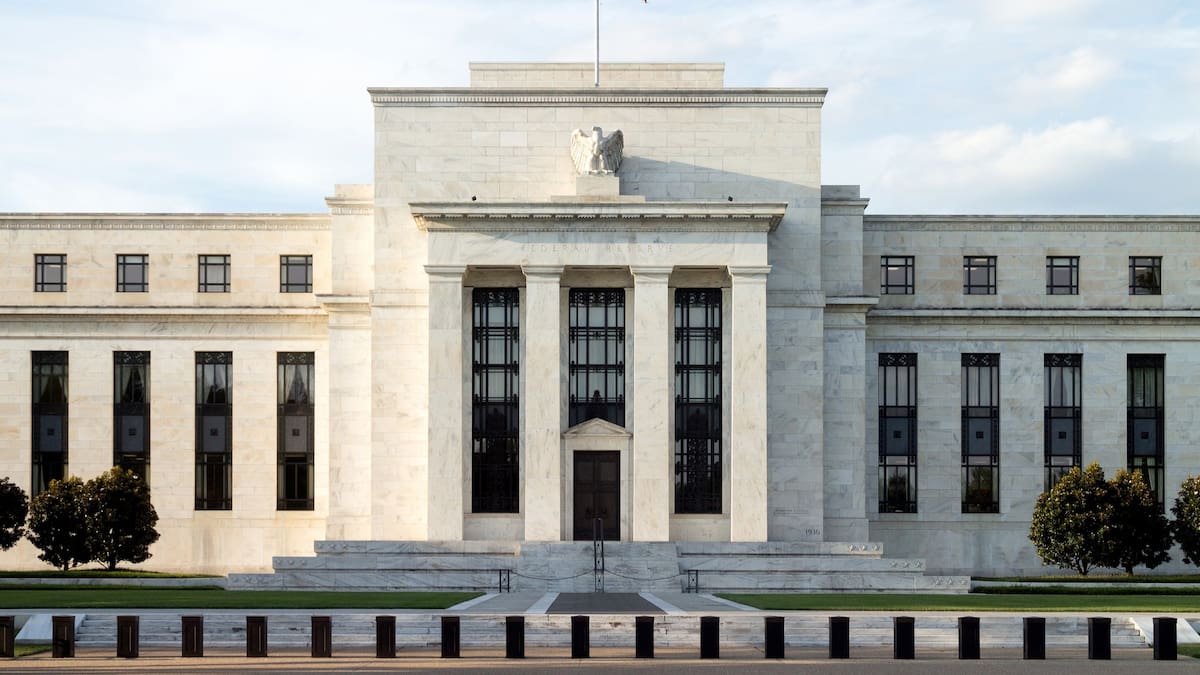
The Fed’s decision runs counter to US President Donald Trump’s repeated calls for lower US interest rates.
Kevin Warsh was appointed Fed chairman in May.
Wall Street stocks ended lower after the rate hike.
The Dow Jones index dropped 631.21 points, or 1.21%, to close at 51,461.90.
The S&P500 dropped 0.45% to end at 7,551.81, while the Nasdaq ended the session down 0.01% at 25,978.42.
The US dollar rose in response, while all other G10 currencies fell.
The New Zealand dollar dropped to US57.12c from US57.45c before the announcement.
Jamie Gray is an Auckland-based journalist, covering the financial markets, the primary sector and energy. He joined the Herald in 2011.
Stay ahead with the latest market moves, corporate updates, and economic insights by subscribing to our Business newsletter – your essential weekly round-up of all the business news you need.