
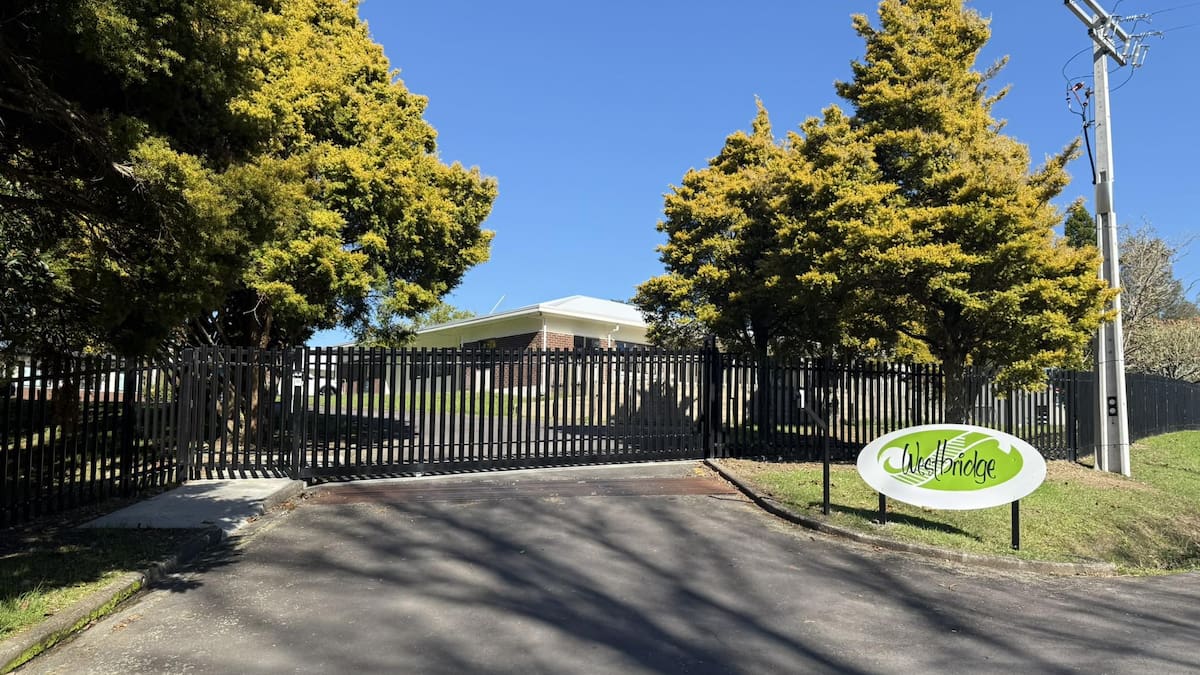
The school’s commissioner, Dr Gabrielle Wall, says the school will fight the closure as staff and students grapple with a “great deal of sadness”.
The move follows a damning ERO report which found more than 30 student assaults were recorded in just two terms and raised serious concerns about the school’s staff, systems and practices.
The decision to close the school is not yet final, MoE general manager operational standards and support Helen Hurst told the Herald.
The school’s commissioner has 28 days to provide further information, submissions or arguments before Stanford makes a final call.
Hurst said the initial decision had been made under the Education and Training Act.
In February, the Herald reported Westbridge was facing possible closure following the ERO findings.
Of the more than 30 student assaults recorded in two terms, 26 incidents involved students assaulting staff and six were students assaulting other students. Twenty incidents of property damage were also recorded.
The ERO found students were not consistently receiving the support expected of a residential school, which provides 24/7 care for children with specific needs.
It also found transitions back into mainstream schools were often ineffective, with too much variation in the quality of teaching.
The report recommended the ministry consider closing Westbridge.
The school had already been under close scrutiny for years, with 2023 and 2024 ERO reports identifying a “significant number of concerns”, according to a briefing to Stanford.
A limited statutory manager was appointed in March 2025 and, three months later, Wall replaced the board of trustees as the person in charge of the school.
She previously told the Herald she did not agree with the ERO’s findings and believed closure would be too severe.
Commissioner Dr Gabrielle Wall has argued the Westbridge Residential School should remain open.
Speaking today, she said there was a “great deal of sadness” among staff and students after the school was told last week of the minister’s interim decision.
“This has been difficult news for our school community,” Wall said.
But the school was not giving up. Wall confirmed she would make a submission to Stanford to remain open.
“We want to use that opportunity constructively to respond to the concerns that have been raised and to make sure the minister has the fullest possible information before making her final decision.”
Wall said the school’s immediate priority remained its current students, who would receive individual transition planning if Westbridge ultimately closed.
However, she said the “bigger question” was how young people with complex needs who might otherwise have attended Westbridge would be supported in the future.
Asked where children with complex behavioural needs would go if it closed, Stanford said there were only about three students currently at Westbridge. She said the Intensive Wraparound Service and other services would be used to support them.
In February, Wall acknowledged health and safety issues needed to be addressed. She said Westbridge served some of the country’s most vulnerable young people, whose complex behavioural, social and emotional needs had not been successfully met in mainstream education.
She was particularly concerned there were no clear, well-resourced alternatives for students if Westbridge closed.
Families also pleaded for the school to remain open during consultation.
Auckland mother Alannah Nixon said her son attended Westbridge in 2023 and emerged “a completely different child”.
She believed without Westbridge, he may never have successfully returned to mainstream education.
An Invercargill mother said sending her 12-year-old more than 1600km to Auckland had been one of the hardest decisions she had made, but described his 18 months at Westbridge as a turning point that changed the trajectory of his life.
A Rotorua grandmother caring for four children also said Westbridge had helped her when she was “at the end of her rope”, giving both her grandson and her family skills to better manage his needs.
Westbridge is one of only three residential schools in New Zealand.
Rachel Maher is the education correspondent for the New Zealand Herald. She also covers other topics such as Auckland issues, crime and local government. She started at the Herald as a breaking news journalist in 2022, before joining the Auckland team this year.
Sign up to The Daily H, a free newsletter curated by our editors and delivered straight to your inbox every weekday.