
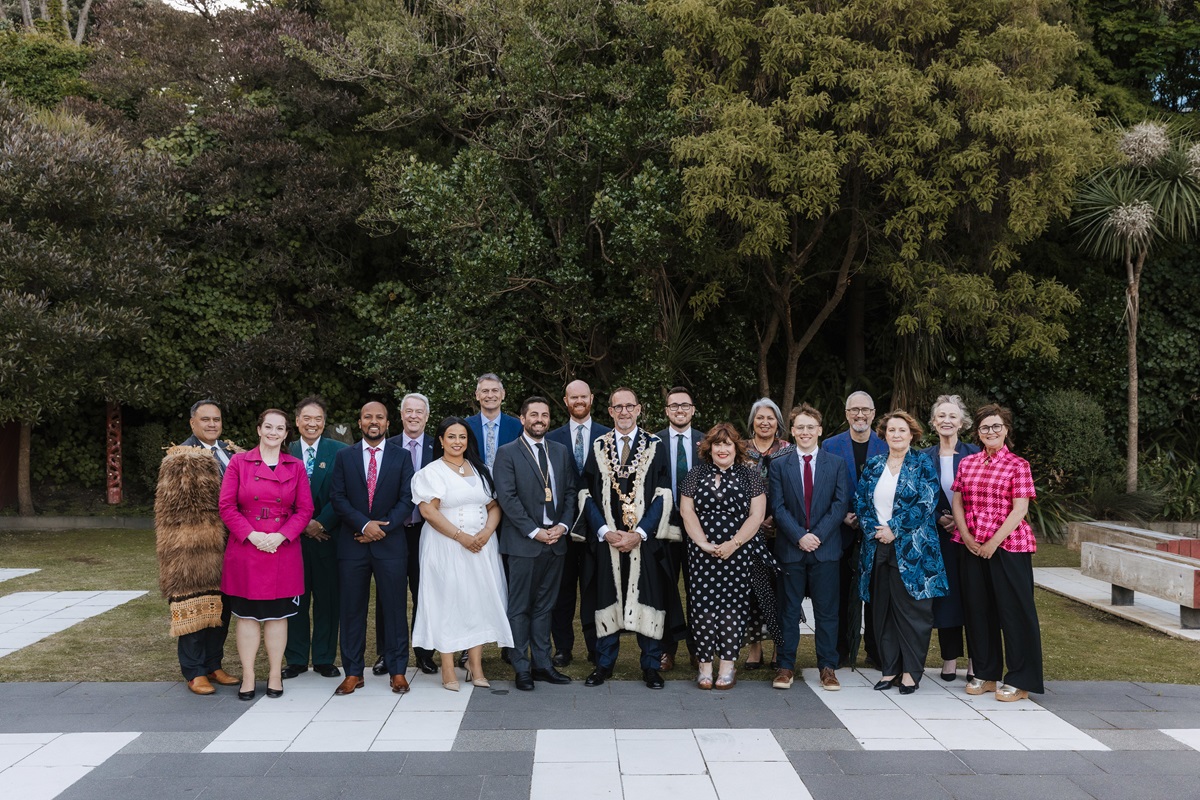
The Electoral Act was passed on September 19 in 1893, making New Zealand the first self-governing country in the world where all women had the right to vote in parliamentary elections.
Since then, Wellington City Council has celebrated many women in local politics including Annie McVicar becoming Wellington’s first female Councillor in 1921, Tala Cleverley being sworn in as the first Pasifika Councillor in 1979, Fran Wilde elected as Wellington’s first female Mayor in 1992, Jill Day becoming the first female Māori Councillor in 2016, and Tory Whanau was Wellington City Council’s first Māori Mayor.
Currently there are six female Councillors representing the five wards of the Capital, here’s what some of them had to say about the anniversary, and the proud legacy of the women who have gone before them:
Councillor Andrea Compton
“I am incredibly grateful to the courageous women who came before us and fought for a fairer and more equal future.
“As a woman and an elected representative, I’m very conscious that I have the privilege of standing on their shoulders. Their determination opened doors that were once firmly closed to women, including the opportunity to have a seat at the decision-making table.
“Women’s Suffrage Day is both a celebration of how far we have come and a reminder that progress should never be taken for granted.”
Councillor Laurie Foon
“Every day I remind myself that it is a privilege to be in this position, because of the many women who have gone before me doing the mahi so that I can be an elected representative – and that women can vote.
“And it is always important that we remember we were one of the first countries in the world for women to get the vote, and that we use that right and retain that progressive attitude.”
Councillor Rebecca Matthews
“I never take for granted how important it is to have women in public life, or underestimate the responsibility of being a woman leader and speaking up for respect and understanding in politics. Let’s make sure this Suffrage Day that all the young women in our lives are enrolled to vote in the upcoming national election and in our own city by-election.”
Councillor Nicola Young
“My family has a lot of strong women. My great grandmother, Jacobina Luke, felt so strongly about women’s suffrage that she signed the petition twice – no computers in those days! Nowadays we take our right to vote for granted, but it’s vital for democracy that everyone exercises this democratic right to have a say in how we are governed.”