
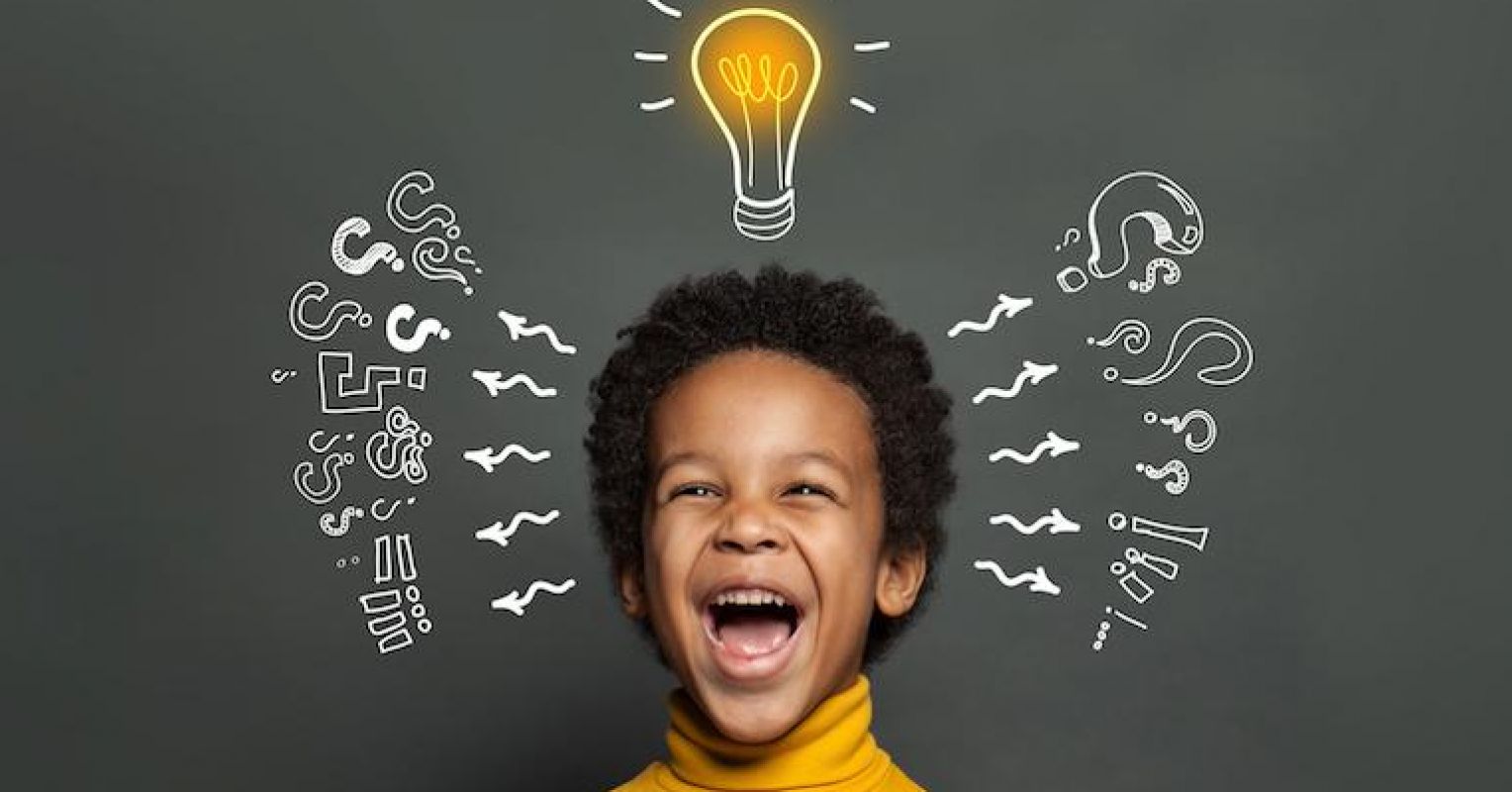
Last week, I asked a teacher: “Well, you know how students learn best?” She looked stumped. Is there a best way? Of course, we all learn in different ways. But I replied, “The best way for children to learn is when they don’t even realize they’re learning at all,” and she said, with eyes wide open, “That’s good.” Because when learning is interesting, engaging, and even fun, we pay attention and absorb things like a sponge.
The Big Problem
Too much “regular school” isn’t fun. Our contemporary world has created mechanisms for teaching that too often “teach to the test” or put an arbitrary ruler on a student that doesn’t capture their full capabilities. Observing a classroom, there was a student who was a brilliant visual artist, and whether she was in math, science, or Spanish, she always started drawing. Her genius or “element,” as Sir Ken Robinson would’ve said, was visual art. Today, years later, this student is a renowned stained glass artist.
But this student suffered through the same math class two years in a row and considered herself, like others would say, a “failed math student” when, in fact, it was the school that failed her. She had no interventions or extra support for learning math visually or with tutors.
Unfortunately, this problem persists. Today, Rosie, an eighth-grade student, was sharing with me how disconnected she feels from Spanish class. She doesn’t understand how Spanish relates to her life (no real-world experience) and hasn’t yet found an effective way to learn the language. To say she’s not enjoying the class is an understatement.
One Solution
While not every subject can be fun or even interesting to everyone, the more we encourage ways to engage students, whether it’s PBL (project-based learning) or field trips and experiential learning, the better chance we have that students will tune in versus tune out.
PBLWorks research shows that project-based learning correlates with higher student engagement and, in my observation, deeper learning. PBL centers around real-world problems that spark students’ natural curiosity, thus increasing the likelihood of real interest. A 2026 Gallup survey found that nearly half of Generation Z students found experiential learning boosted their engagement.
Earlier this year, I visited an independent K-8 school in Northern California with a marine science track—you could literally go to the beach with your class, explore the tide pools, and come back to the lab to observe starfish. I was enthralled. I’ve also been to public schools, which had equally impressive learning environments focused on creating the “just right” environment with fresh air, flexible seating, a safe place for recess, and engaged teachers who offered novel electives like Lego Engineering and Culinary Arts.
Students who are engaged, find meaning in what they’re learning, and get to do it as PBL or experiential learning will have a higher likelihood of enjoying themselves. Whether the topic is learning how to code with and without AI or reading to literacy dogs, students who forget they’re learning are experiencing the best way to learn—with enjoyment.
But unfortunately, the Gallup survey also revealed that over 49 percent of Generation Z students (aged 13 to 29 years old in 2026) felt that in school they don’t get a chance to do what they do best. Their signature strengths aren’t necessarily represented in the curricula, or they haven’t yet been able to express them. They could clearly be having more fun while learning.
The Bottom Line
The better we feel, the better we can do. This isn’t rocket science, but it harkens back to what Plato said, “All learning has an emotional base,” and if students are feeling connected and interested—we’re starting to create an optimum learning environment where we nurture their enthusiasm and natural curiosity in themselves, as well as the world around them. They may not even realize how much they’re learning, and this, my friends, is excellent.