
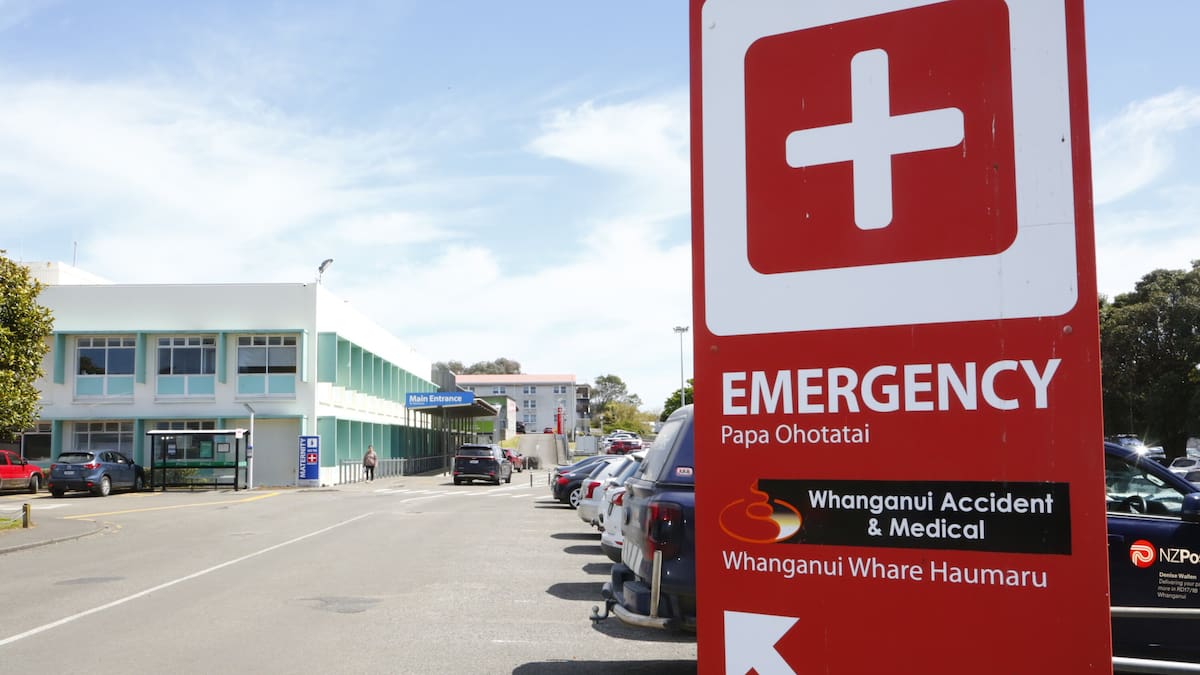
Fleming said the ED goes into code red on “multiple occasions” because of the “huge numbers” of people needing to be triaged.
She said that over seven days from September 2-9 the average bed occupancy in ED was 680%.
“ED has 15 beds, and another seven beds for acute assessment ward patients.
“In those seven days there were 503 arrivals, averaging 79 per day.
“Given the number of beds and the number of patients treated, that’s a huge health and safety risk.”
Fleming said it’s also difficult to take a break while working in ED knowing that people waiting need to be watched.
“One patient lost consciousness and was found unresponsive recently,” Fleming said.
“Luckily, they were spotted and a tragedy averted.”
Fleming said the health system is in “a desperate state and needs an urgent overhaul”.
“It begins with properly funding primary care services,” she said.
“This is one of the major causes of overcrowding in EDs.
“If people are treated timeously by their GPs there’s no need to be sitting in a hospital ED.
“Better funding of Te Whatu Ora would also lead to hiring more staff and better retention of health workers because happy, supported employees don’t leave.”
Health New Zealand group director operations Whanganui Kath Fraser-Chapple said the 680% figure appeared to be based on patient turnover across the week, rather than the number of patients in the ED at any given time.
“Like hospitals across New Zealand, Whanganui Hospital has experienced sustained pressure from high levels of winter illness and increased demand for acute care,” Fraser-Chapple said.
“While pressure on health services remains elevated, demand is continuing to ease from the high levels experienced during the winter peak.
“We are aware of claims that emergency department occupancy reached 680 per cent during the week in question.
“This figure does not reflect actual occupancy levels within the department at any point in time.
“The 680 per cent figure appears to be based on patient turnover, or “churn”, across the week rather than the number of patients occupying treatment spaces at any given time.”
Fraser-Chapple said that based on hourly occupancy data for September 2-9, the highest recorded occupancy was 253%, equivalent to about 50 patients in the department at one time.
“While this level of demand placed significant pressure on services, it is not accurate to describe occupancy as having reached 680 per cent.”
She said Emergency Department teams “work incredibly hard in challenging circumstances to provide safe, timely care for their community”, acknowledging their commitment and professionalism.
“We recognise these periods can be demanding for staff,” she said.
She said supporting staff wellbeing, maintaining safe staffing levels, and ensuring patients receive timely care remain priorities for Health NZ.
“We have increased staffing within the Whanganui Hospital emergency department and continue to actively recruit additional staff.
“Recent additions include three specialist nursing roles to support the assessment and treatment of lower-acuity patients, a dedicated geriatric emergency department nurse to support older people presenting to the service, and a physiotherapist to assist patients with musculoskeletal and mobility issues and support patient flow through the department.
“We continue to plan for future demand, and work is scheduled to begin in October to expand treatment space within the emergency department, improve the mental health assessment area, increase storage capacity, and provide a dedicated staff meal room.
“These improvements will help enhance the environment for both patients and staff.”
Fraser-Chapple said anyone who needs emergency care should continue to seek help without delay, with Emergency Departments open 24 hours a day, seven days a week, with patients prioritised according to clinical need.
It comes after the Herald revealed in June that a man collapsed and died in Waikato Hospital’s ED waiting-room toilet, with a hospital source saying he’d been waiting “nine hours”.
According to details from Health NZ’s “rapid clinical review”, Brent Horsburgh died after an “acute unexpected incident”, with a more thorough “serious adverse event” investigation set to be completed within two months.
Brent Horsburgh, who died at Waikato Hospital’s Emergency Department. Photo / Supplied
A month later, an emergency specialist said Christchurch Hospital’s Emergency Department is routinely operating at up to three times its capacity, with patients spending hours in corridors with no beds available elsewhere in the hospital.