
 Policy – September 22, 2026
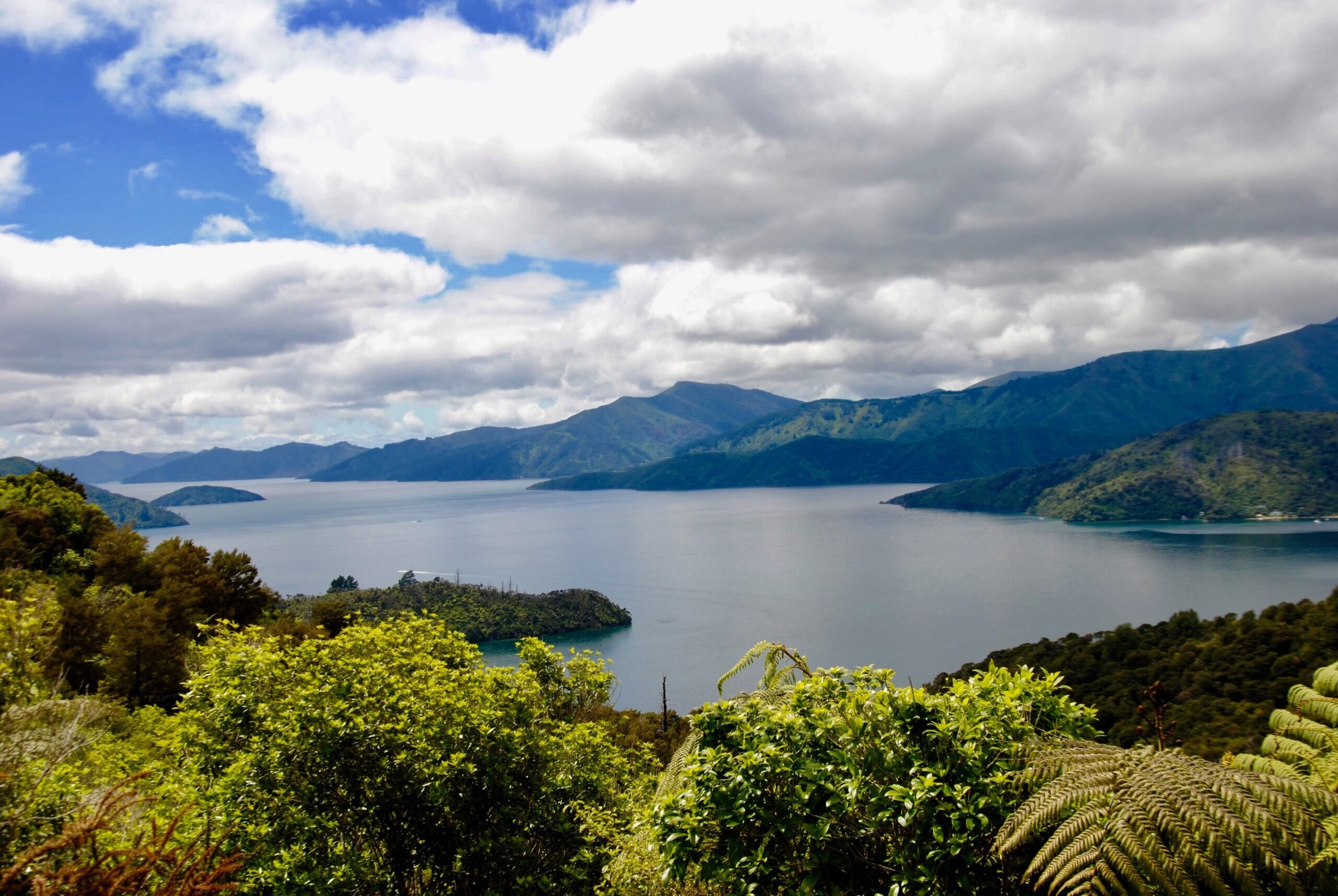
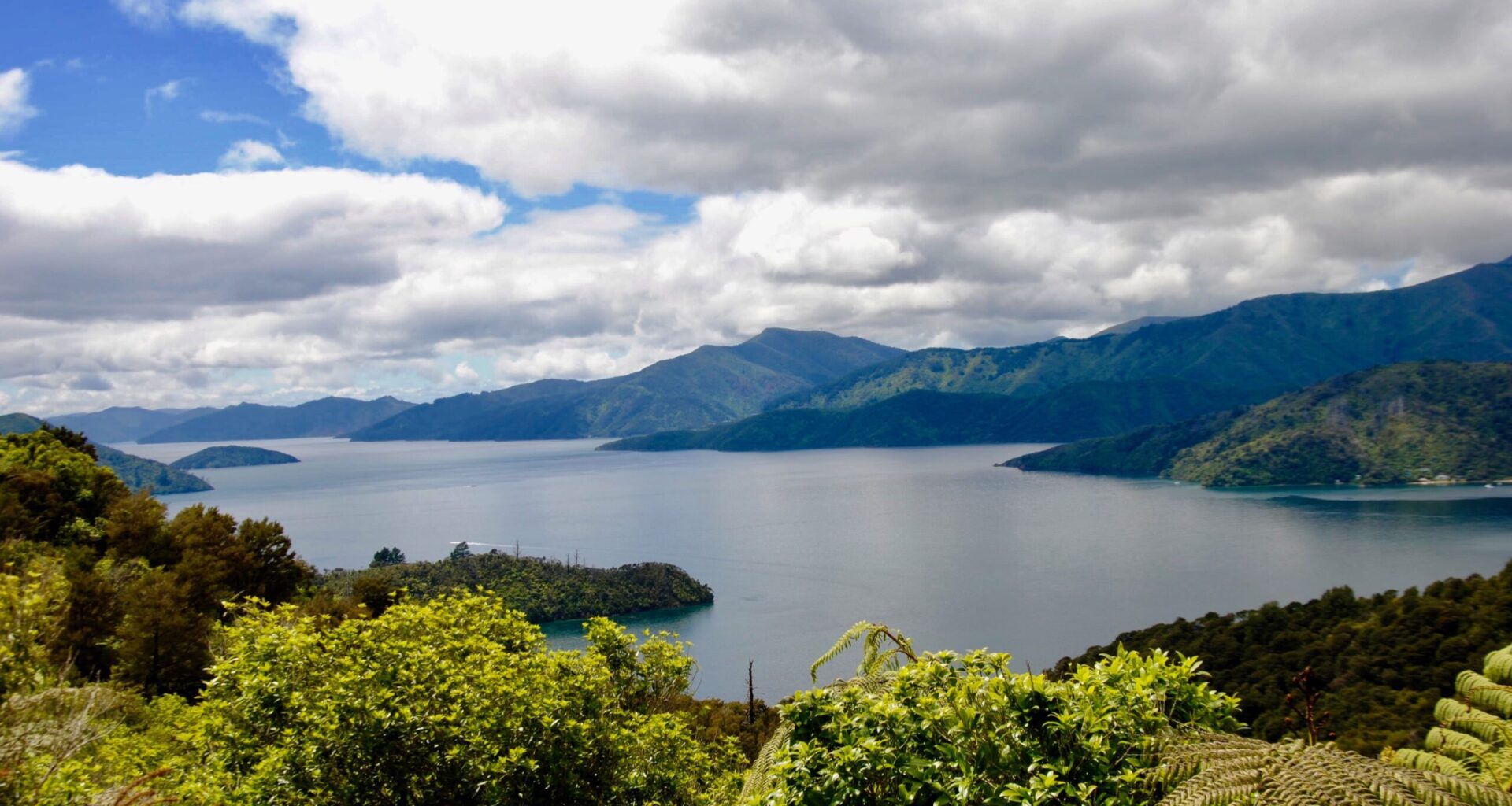
Marlborough Sounds, New Zealand, where King Salmon has their salmon farm. Photo: Katrina Poulsen
New Zealand is considering dedicated legislation for offshore aquaculture as officials examine a scenario under which the country’s salmon production could rise from around 15,000 tonnes to 450,000 tonnes a year.
Oceans and Fisheries Minister Shane Jones met senior executives from New Zealand King Salmon, Akaroa King Salmon, Sealord and other aquaculture businesses at the Ministry for Primary Industries (MPI) on Monday to discuss the regulatory framework needed for further industry growth.
The initial focus is on establishing a dedicated regime for open-ocean aquaculture, with Jones arguing that the existing system does not provide sufficient certainty for large-scale investment.
“The initial focus is how do you create a regime for offshore ocean farming. There is no regime as such,” Jones said.
During the meeting, MPI presented what was described as an ambitious and aspirational scenario in which annual salmon production could increase from around 15,000 tonnes currently to 450,000 tonnes.
The 450,000-tonne figure is not a government production target or an approved expansion plan. It represents a potential scale of production discussed by officials and industry as part of the work on a future regulatory framework.
Such an increase would represent a roughly 30-fold expansion of New Zealand’s salmon industry.
New Zealand currently farms king, or Chinook, salmon rather than Atlantic salmon. NZ King Salmon chief executive Carl Carrington asked whether production on the scale outlined by MPI would require the introduction of other salmon species.
MPI chief executive Ray Smith said that could potentially form part of such an expansion.
Sealord chief executive Doug Paulin said investment on the scale required would run into billions rather than hundreds of millions, and that companies would require greater regulatory certainty before committing capital.
Sealord already has exposure to salmon farming through its operations in Tasmania but has not progressed similar investment in New Zealand.
“There still is not enough certainty for us to progress that from a capital perspective in New Zealand,” Paulin said.
Akaroa King Salmon chief executive Stuart Hawthorn also cautioned that expansion would need to preserve New Zealand salmon’s position at the premium end of the market rather than focus solely on production volume.
The discussion comes as New Zealand continues to revise the regulatory framework governing marine aquaculture.
Changes to the country’s National Environmental Standards for Marine Aquaculture took effect in June, introducing new consent pathways for aquaculture trials and research and simplifying some changes to existing marine farm consents.
Under the current system, companies establishing marine farms generally require resource consent from the relevant regional authority, followed by other approvals including an assessment by Fisheries New Zealand.
The government is now examining whether offshore aquaculture should instead be covered by a more centralised and dedicated legislative framework.