
As at Fonterra’s July 31 balance date, the fair value of these future awards was recognised at $4.03m.
Hurrell was first appointed interim CEO on August 15, 2018, before being permanently appointed CEO on March 4, 2019.
Over the eight years to September 2025, he was paid a total of $29.5 million, according to Fonterra disclosures. His latest remuneration boosts that figure to $37.66m, with more to come.
His predecessor, Theo Spierings, pocketed around $43m in remuneration over eight years, including incentives and bonus payments.
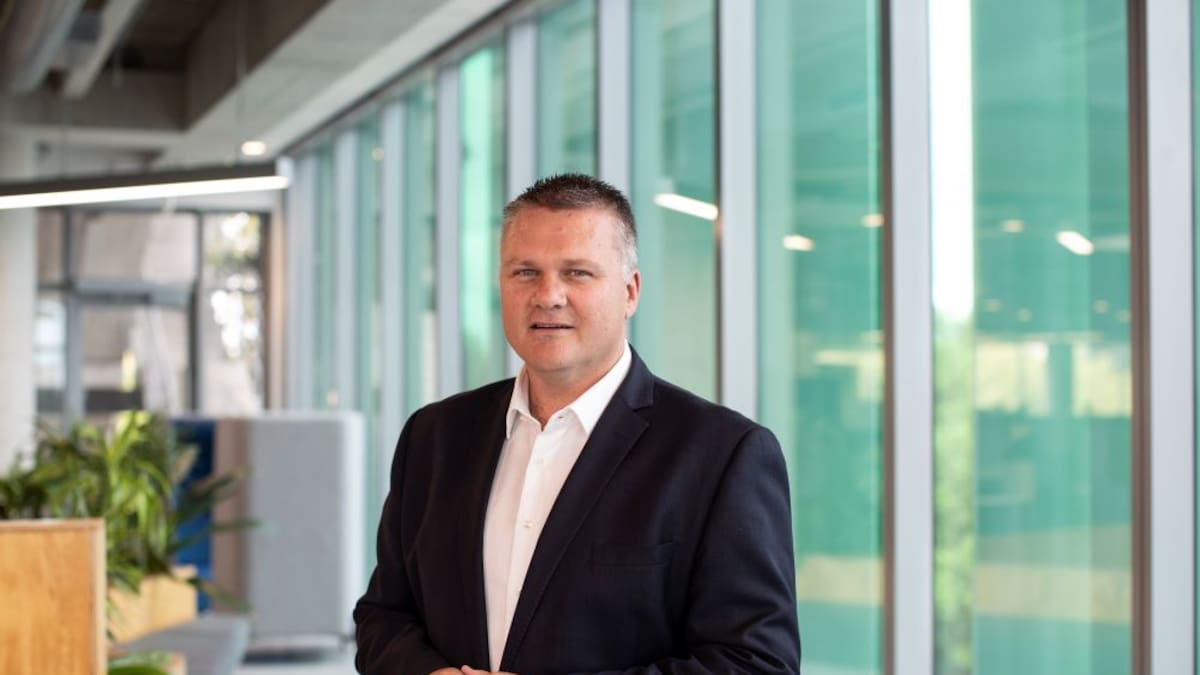
Miles Hurrell has been credited with turning Fonterra around financially and was named the Deloitte Top 200 CEO of the Year in 2024. Photo / NZME
Hurrell began his role at a troubled time for the co-op and initiated a strategic reset, including the sale of its loss-making China farming operations and other assets, and an aggressive internal cost-cutting exercise to repair a damaged balance sheet.
Hurrell then led the co-operative through a difficult and politically fraught capital structure reform in 2022, before launching another major strategy change last year that culminated in the sale of Fonterra’s global consumer business, including Mainland.
Fonterra today reported $27 billion in revenue for the 2026 financial year and nearly $20b in cash returns to New Zealand farmer owners and unit holders.
Operating profit was $3.4b, up 97.6% on the prior year, including a $1.2b Mainland divestment benefit, and profit after tax came to $2.6b, up 142%.
Current chief executive Richard Allen, who has held the role since May 2026, has an annual base salary of $2m. In this reporting period, he received $998,620 in total pay, consisting of a base salary payment of $500,000, benefits of $33,770 and a short-term incentive of $464,850.
Fonterra’s current executive incentive scheme was introduced in 2023 and is aimed at “aligning the financial interests of Fonterra’s enterprise leaders with those of the co-operative’s farmer shareholders”.
The framework covers both employee remuneration for certain salaried employees who have variable incentives and “enterprise leader” remuneration. The latter group includes the CEO, the management team and their senior direct reports.
The short-term incentive (STI) plan is fairly typical in that it covers a 12-month business performance and comprises both financial measures, including return on capital and farmgate milk price, among others, and non-financial ESG measures such as greenhouse gas emissions and health and safety.
The long-term incentive (LTI) scheme is performance-oriented and relates to “sustainable farmer prosperity” and co-operative value over a six-year period.
Commenting on the future remuneration framework, Fonterra’s people, culture & safety committee chair Holly Kramer said several refinements to simplify the STI plan have been approved for 2027.
“Additionally, we will continue with our current LTI plan design and make the fifth grant of alignment rights to senior leaders. This will support attraction and retention of key talent and reinforce alignment of senior leaders’ remuneration outcomes with farmer shareholder outcomes over the longer term.”
Duncan Bridgeman is the managing editor of NZME Business News, overseeing the Business Herald and BusinessDesk.
Stay ahead with the latest market moves, corporate updates, and economic insights by subscribing to our Business newsletter – your essential weekly round-up of all the business news you need.