
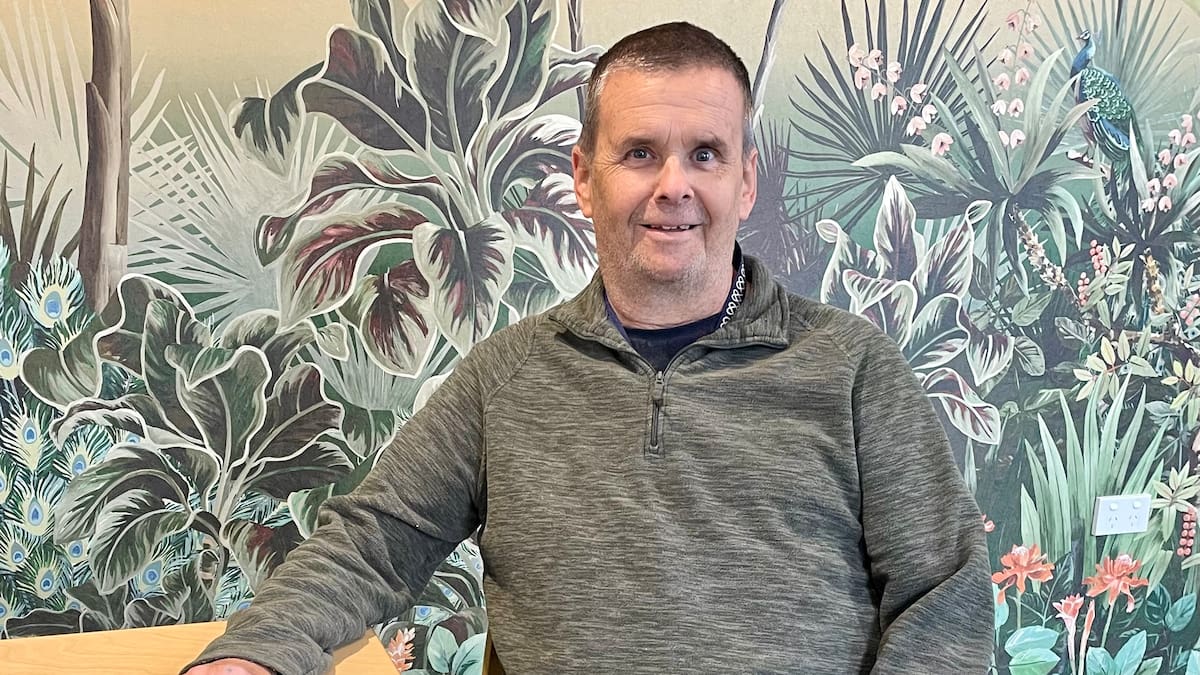
West Coast man Greg Carter has spent 500 nights in Christchurch for treatment.
With home on the West Coast and ongoing specialist treatment required in Christchurch, returning home wasn’t an option for Carter.
His health challenges began after a heart attack led to the discovery that his polycystic kidney disease had significantly worsened.
Following a quadruple bypass operation, his kidneys failed, beginning a cycle of treatment, recovery setbacks and extended stays away from home.
“I’ve been continually coming back and forward,” Carter said.
“Every time I went home, something seemed to happen, and I’d end up back here.”
The most serious setback came after an infection spread through his bloodstream, leading to the loss of seven toes and ongoing mobility issues.
Living on the West Coast can mean hours of travel and extended periods away from home when specialist healthcare is needed.
It’s a challenge increasingly facing rural families across the South Island, with demand for accommodation from West Coast patients and families growing significantly in recent years.
In 2024-25, Rānui House and Apartments supported 224 West Coast families, providing 4481 room nights.
The following year, demand surged to 586 families and 5886 room nights, highlighting the growing need for support close to specialist healthcare services in Christchurch.
BMCT chief executive Mandy Kennedy said access to healthcare shouldn’t depend on where you live.
“People living in rural communities already face additional barriers to accessing healthcare. We want to ensure accommodation isn’t one of them.
“We’re seeing increasing demand from rural communities, particularly the West Coast, and our priority is ensuring patients and families have a welcoming place to stay close to treatment.
“When someone receives a serious diagnosis, the focus should be on getting better, not worrying about accommodation or how they’ll afford it.
“We’re here to support those people and their whānau.”
For people like Carter, that support can be life-changing.
Despite everything, Carter has remained remarkably pragmatic.
“I just carry on. I can’t do anything about it, so I do the best I can and get on with life,” he said.
Today, Carter manages his condition through daily dialysis and regular hospital appointments, while hoping he can one day return permanently to the Coast.
While medical care has been essential, Carter said having somewhere safe and supportive to stay had made a difference.
“The place itself is fantastic,” he said.
“They look after you, they check up on you and make life as easy as possible.”
Carter was unaware of Rānui’s accommodation service until his health challenges brought him to Christchurch.
“Once I got here and saw what they do, I was very appreciative,” he said.
“It took away that stress factor of wondering where I was going to sleep.”
Since opening, Rānui Apartments has significantly expanded the trust’s ability to support rural patients requiring longer-term stays.
Last year, 463 West Coast families stayed at the apartments, compared with 82 the previous year, reflecting the growing need for accommodation designed for extended treatment journeys.
As the BMCT prepares to attend Agfest, the West Coast’s largest agricultural event, this October, Carter hopes more people will learn about the support available.
“If you’ve got health problems and need treatment in Christchurch, there’s no need to have that stress about where you’re going to stay,” he said.
With demand for accommodation growing, the BMCT is calling on the community to help ensure no family faces a health crisis alone.
“The growing demand we’re seeing shows just how important these services are,” Kennedy said.
“Community support allows us to continue providing affordable accommodation and wrap-around care for patients and whānau during some of the most challenging periods of their lives.”