
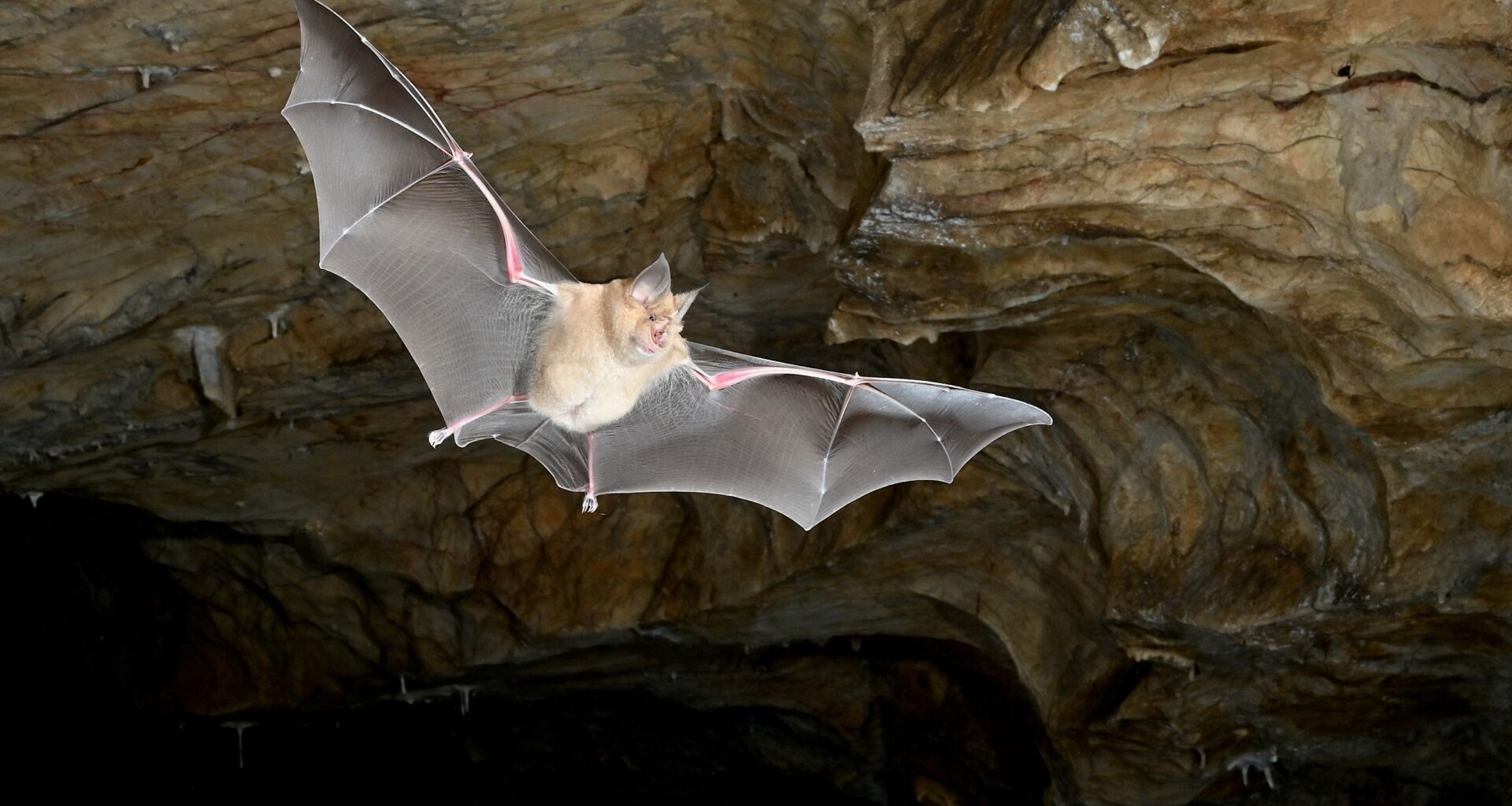
Scientists may have settled a decades-long debate about bat evolution, including controversial questions about when bats began to communicate and fly, a landmark study shows.
The new research, published Wednesday (Sept. 23) in the journal Nature, is the biggest bat DNA and fossil study ever conducted. Researchers created new, top-quality genome assemblies for 41 bat species, which they analyzed together with 62 existing sequences, providing a record dataset of 103 bat genomes and 44 bat fossils.
You may like
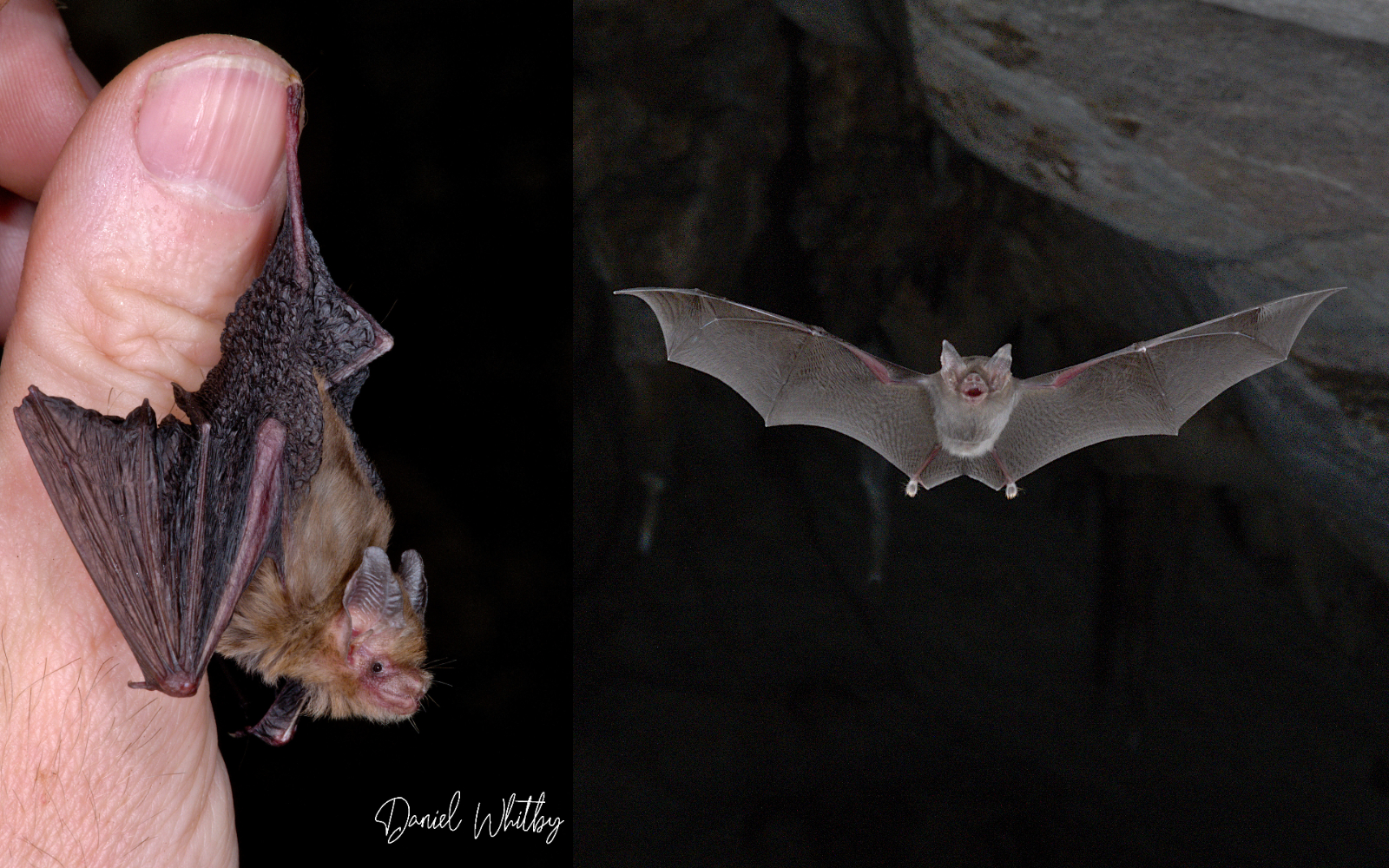
With a body length of about 1 inch, the bumblebee bat (Craseonycteris thonglongyai) is thought to be the smallest mammal on Earth. It occurs in western Thailand and southeast Myanmar.
(Image credit: Daniel Whitby)
What to read next
Morales, A. E., Liang, Y., Thomas, W. R., Leushkin, E. V., Castellanos, F. X., Larkin, D. M., Brown, T., Fromm, B., Hand, S. J., Huang, Z., Hughes, G. M., Jones, M. F., Lim, B. K., Mai, M., Myers, E. W., Pippel, M., Puechmaille, S. J., Simmons, N. B., Abueg, L. A. L., … and Teeling, E. C. (2026). Reference genomes and fossils revise bat family phylogeny and biogeography. Nature. https://doi.org/10.1038/s41586-026-11007-3