
The first fire occurred in June last year, after O’Connor’s landlord made arrangements to meet him at the property following complaints about his behaviour.
“You wouldn’t let him in,” the judge noted.
After the failed meeting, the landlord called the property manager and said he wanted to terminate the tenancy. O’Connor gathered his belongings that night and started the fire the next day, according to the agreed facts.
The court was not given a dollar amount for the property loss but was told the entire dwelling was destroyed. A neighbour’s house was also damaged, but firefighters were able to save it.
The landlord’s home had been covered by insurance, but the judge pointed out that insurance isn’t a “free ride” because payouts like that cause premiums to go up for everyone.
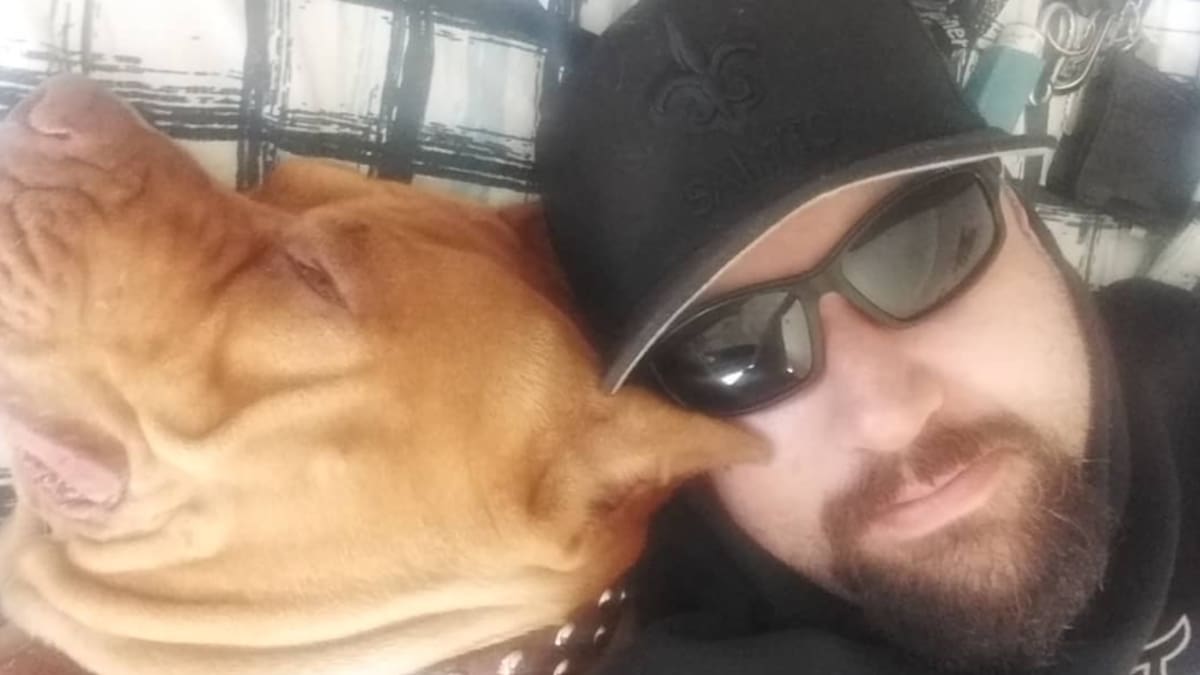
Parihaka O’Connor pleaded guilty to burning down the rental home he was living in, as well as the arson of a vehicle.
The next arson occurred four months later, while O’Connor was living out of his father’s Toyota Hilux. He drove the vehicle to Swanson Reserve around 7am, smashed a window, then set it on fire and left the scene.
O’Connor later apologised to his parents during a restorative justice conference after he pleaded guilty to the charges.
“They affirmed the fact they care about you deeply, but when you’re under the influence of drugs you’re not yourself,” the judge noted.
O’Connor also pleaded guilty to barging into his parents’ home after he’d been trespassed and causing extensive damage to their gate when he drove through it.
But he had no prior convictions before the recent spree and has been deemed a low risk of reoffending if he keeps up with his drug rehab efforts, the judge noted.
The defendant changed his pleas to guilty earlier this year, following a psychological report suggesting he was fit to stand trial. Arson endangering life is punishable by up to 14 years’ imprisonment.
Prosecutor Conrad Purdon characterised the offending as a premeditated and spiteful response to O’Connor’s landlord trying to evict him. But the defence argued that couldn’t be the case because O’Connor wouldn’t yet have been aware he was going to be forced out.
“What he said was he was trying to rid the property of demons,” the judge noted. “I really struggle to see that as a malicious form of arson.”
It doesn’t make sense, the judge said, that someone would take revenge on a landlord by burning down their own home. The prosecutor disagreed, suggesting that such scenarios are not uncommon. He argued the offending was too serious for a sentence of under two years – the point at which a judge can consider a non-custodial alternative.
The judge ordered a four-year starting point, two years below what the Crown sought but four months above the defence’s suggestion. He then allowed 50% in reductions for his guilty pleas and for matters related to his drug addiction.
O’Connor reported having been out of work and addicted to methamphetamine for a decade. At his lowest point, it was reported, he was smoking up to 2g per day – an amount likely to cost over $500. He would use for up to a week without sleep, he told authorities.
He hadn’t slept in over 24 hours during the house arson.
Judge David Sharp. Photo / Jason Dorday
“You said you were not in your right mind and you are regretful,” the judge noted.
“You say your judgment was impaired by drug use… People need to know you can’t be taking this drug – this is exactly what happens.”
But since then, O’Connor has committed to staying away from meth, the judge said. The Grace Foundation submitted a letter reporting that he had made “significant” progress, and random drug tests have all been negative.
And he no longer shows symptoms of psychosis.
While deterrence and denunciation are important considerations, O’Connor’s commitment to rehabilitation is what has kept him out of prison, the judge concluded.
Craig Kapitan is an Auckland-based journalist covering courts and justice. He joined the Herald in 2021 and has reported on courts since 2002 in three newsrooms in the US and New Zealand.