
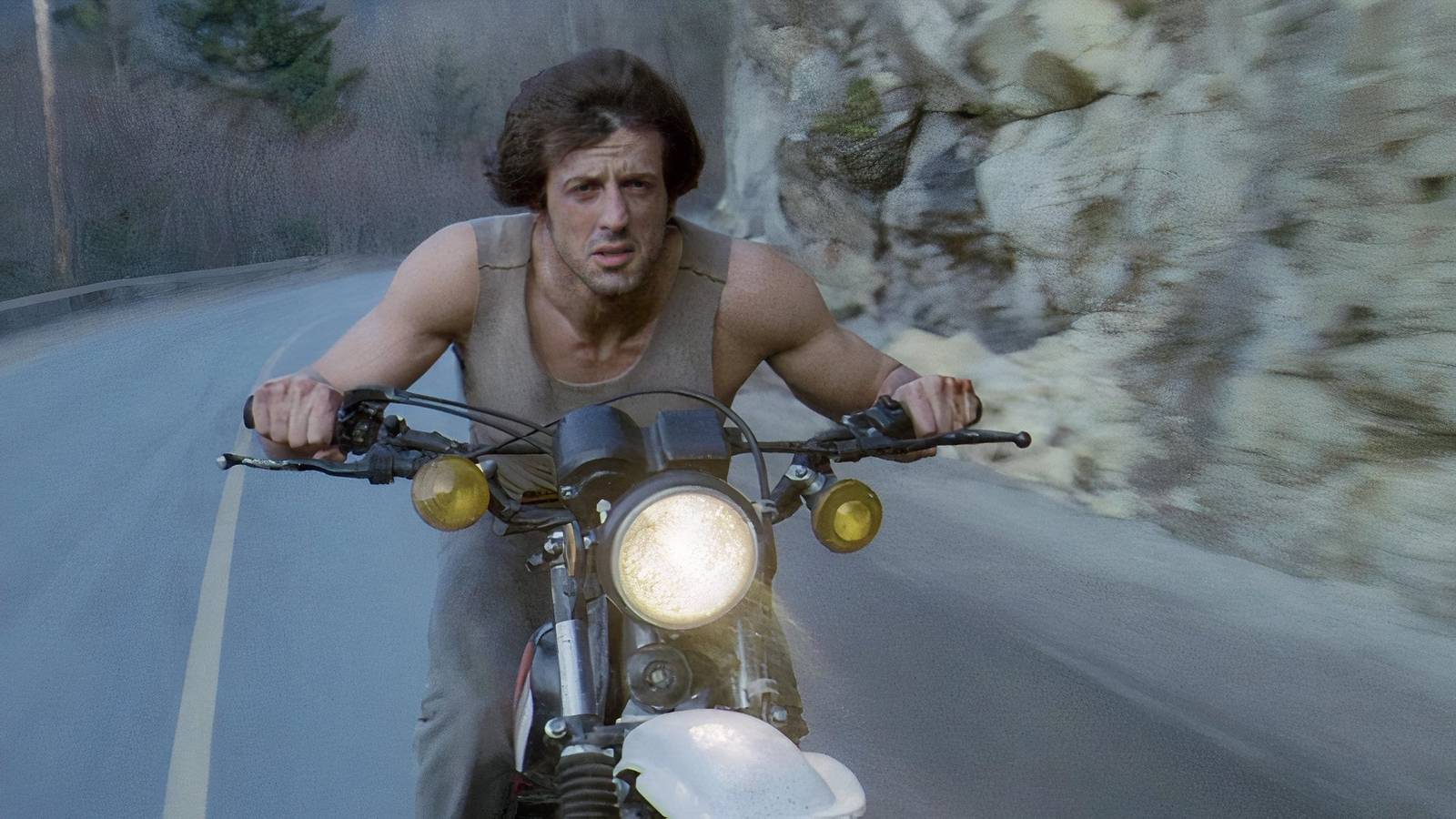
The Rambo franchise began in 1982 with the release of First Blood. Based on the 1972 novel of the same name, the film was intended to be a standalone story, as the book ends with Rambo’s death, but his survival in the film opened up the door to one of the most well-known action franchises of all time. The series currently consists of five feature films, with a sixth on the way. What began as a simple action movie ultimately became a saga through which Sylvester Stallone explored his evolving views on war, masculinity, and American power.
The franchise focuses on Vietnam veteran and drifter John J. Rambo, portrayed by Stallone. In the first film, John, who goes by Rambo, wanders into a small Washington town in search of an old friend. Instead, he’s met with intolerance and brutality from the local sheriff, Will Teasle. When Teasle and his deputies restrain and shave Rambo, he flashes back to his time as a prisoner of war and unleashes his fury on the officers. He narrowly escapes the ensuing manhunt, but it will take his former commander to save the hunters from the hunted.
Stallone has launched a number of film franchises that never seem to get old, no matter how many times they’re rewatched. His influence on the industry is undeniable, and now, at 80 years old, Stallone is ready to reckon with his cultural influence — for better or for worse. That includes the complicated legacy of Rambo, a character whose evolution came to reflect a worldview Stallone says he no longer shares. In his new tell-all memoir, The Steps, he reveals a number of regrets, one of which is the way he portrayed Rambo. While the original Rambo was a deeply troubled man struggling with the lasting effects of war and grappling with PTSD, Stallone admits that the character eventually became a classic action-movie hero, losing much of his emotional depth in the process. He says this was solely his fault, telling The New York Times:
“I didn’t really focus on the depth of what he was still going through while trying to save P.O.W.s. He’s trying to save his own soul. We never got into that. It’s just bravado, bravado, bravado. That’s all me. You realize, flexing your muscles is a lot easier than showing your soul. And it was terrible. It was like a cartoon.”
While promoting Rambo in a 1985 interview, Stallone said, “If you have the power like the United States, if you’re gonna talk tall and carry a big stick, eventually you’ve gotta use it or they’ll think you’re bluffing.” Four decades later, Stallone has a very different perspective on war. He admits that he was “truly gung-ho” about war in the 1980s, the heyday of the Rambo franchise, but now believes that “all war is futile.”
“I hate it and I’m bitterly opposed to it,” Stallone continues. “But at one time I was truly gung-ho. I don’t know if I was just trying to go against the current. In Hollywood, there’s a certain dynamic, as you know. I think it was just naïveté, really, because I read a lot, especially after First Blood, and I go, Wow, this is brutal, this is horrible, there’s no glory in war. None.”
Rambo certainly became a symbol of American power, but now, the very man who brought the larger-than-life veteran to the screen has a starkly different view. “I don’t want to get into politics now, but all wars basically destroy both sides. It really creates this horrible history,” he added. “Grudges are held, countries are destroyed and lines are redrawn, for what?”
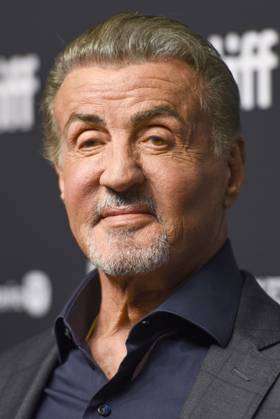
Birthdate
July 6, 1946
Birthplace
New York City, New York, USA
Birthname
Sylvester Gardenzio Stallone