

Health insurance complaints almost double
The finance ombudsman says problems in the public health system and rising costs are behind a surge in complaints over insurance companies refusing payouts, and encouraged customers to read the fine print of their policies.
Health insurance was now the largest category of disputes to the ombudsman for the first time in the year to June, increasing by 91 percent.
Part of the rise in health disputes was insurers using clauses that allowed them to limit the amount they spend on a claim to what they deem to be “reasonable”.
Insurance and Financial Services Ombudsman Karen Stevens told Nine to Noon the jump in complaints was due to people being under financial pressure and issues with the public health system.
“It’s about them wanting to have options and unfortunately, health insurance has tightened up in terms of what it used to be,” she said.
“A lot of complaints you resolved with a goodwill payment, an ex gratia payment, the health insurers aren’t as willing to do that as they used to be because from their perspective it affects all of their customers if they’re paying claims outside of the terms and conditions of the policy.
“So, they’re not as willing to do that as they used to be. There’s a tightening up in the health industry, there’s a growing problem I think in public health and people are more concerned about what they’re paying generally.”
Stevens said there was a growing number of complaints over people having to pay the difference between what their surgeons charged, and what their insurance was willing to pay.
That was a real worry, she said.
“Because the thing is that there is no ability for our scheme, IFSO (Insurance & Financial Services Ombudsman Scheme), to make insurers pay and equally there is no remedy for consumers who get stuck between a surgeon’s costs and what their insurer is willing to pay for them,” Stevens said.
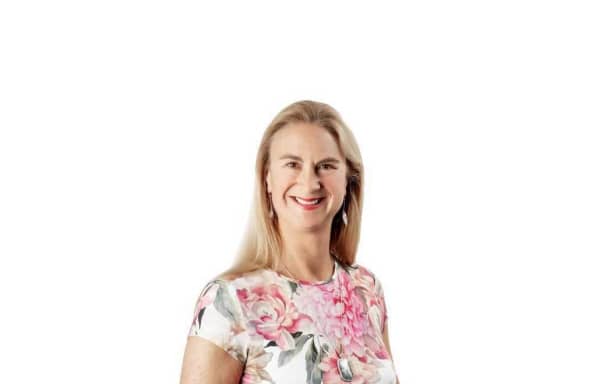
Insurance and Financial Services Ombudsman Karen Stevens.
Supplied / IFSO
Stevens said there was fresh debate on what the word “reasonable” meant and how that was interpreted.
She acknowledged that some of the surgery costs were “eye-watering”, and it had gone up considerably over the last few years.
Stevens said most people didn’t read their policies.
“There is a lot of fine print, it’s much better than it used to be but there’s still a lot to get through and unless you feel that you have to you, don’t, and that goes for all of us, me included,” she said.
“I don’t tend to read every single word in every single policy unless I’m doing it for my job.
“The problem with that is that sometimes you can be surprised, and not in a good way and so, you take out a policy and you assume that you’re covered, which many people do.”
Many consumers assumed they were covered for a certain thing or though they should be, she said.
“I agree with the thinking to a point but it’s a legal contract and if you take out an insurance policy and it doesn’t cover you for something which you think it should, it’s really sad but it’s not going to cover you and there is nothing that we can do retrospectively to make that cover sort of material,” Stevens said.
Stevens said there was always going to be a disconnect between what people thought they were getting, and what they actually got.
She urged customers to read their policies.
“Make sure that you actually read the policy, that you understand at least the basics of what you’re getting and what you’re not getting,” Stevens said.
“If you’re working with an advisor, they are really the best people to the financial advisors to give you that sort of advice on particularly as you’ve mentioned trauma cover income protection disability cover.
“They’re really complicated products, and I’m not saying it’s a complicated language but they’re complicated products, and you often need help and you need to use somebody who actually is familiar with them and who can walk you through them.”