
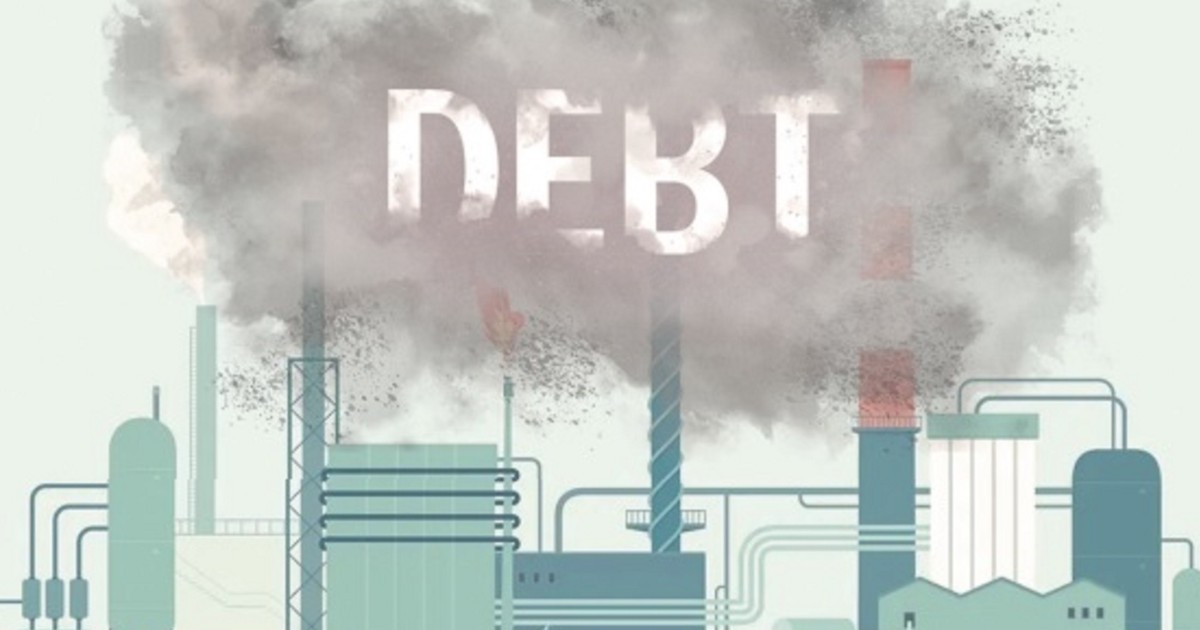
However, the continuous accumulation of IMF-related liabilities risks circumscribing domestic fiscal flexibility, thereby constraining state capacity to address future macroeconomic shocks and compounding pressure to adhere to strict fiscal discipline.
The recent IMF situation in Guinea and Liberia highlights the effect of loans from the global financier when helping nations navigate complex economic challenges.
In August, Guinea secured a staff-level agreement for a 41-month IMF program valued at approximately $422 million, representing 145% of its quota.
While the financing can provide breathing room, additional borrowing also creates future repayment obligations.
This can become a concern for countries with limited government revenue, particularly when commodity prices fall, currencies weaken, or external shocks increase financing needs.
Over in West Africa, Liberia, to a lesser degree, is taking the same initiative as Guinea.
The country is already operating under a 40-month IMF Extended Credit Facility worth about $210 million and has added a Resilience and Sustainability Facility worth about $265 million.
In July, IMF staff agreed that Liberia could access another roughly $50 million after the latest programme review, subject to approval.
For African governments, the challenge is therefore not simply whether to borrow, but how much debt the economy can sustainably carry.
High IMF obligations can reduce fiscal flexibility, increase repayment pressures, and leave governments with fewer options when another economic shock occurs.
Although financial support from the IMF can foster macroeconomic stability and advance structural reforms, upholding prudent debt sustainability ensures sovereign authorities retain fiscal flexibility.
With that said, here are the African countries with the highest IMF debt in September 2026, per data from the IMF’s website.