
Study examines impact of RATs on winter illness treatment
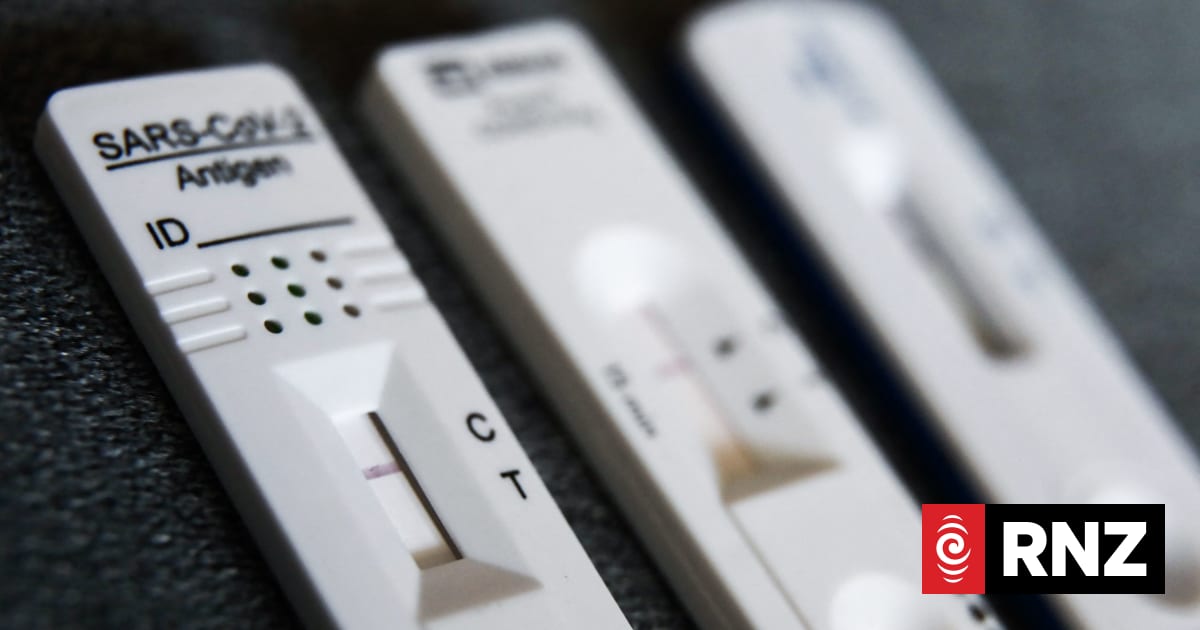
Multi-viral rapid antigen tests (RATs) at GPs could cut unnecessary antibiotics and, in some cases, avoid hospital referrals, according to a new study.
Researchers were investigating the impact of administrating the tests to detect not only Covid-19, but Influenza A and B and RSV as well.
Otago University professor and co-author of the study, Maria Stubbe said they trialled the single-swab tests at five different GPs, including an after-hours practice in Wellington, and before the tests were publicly available through pharmacies.
They were very popular with both the health professionals and with the patients that were part of that pilot, she said.
“We did about 1700 swabs, so it was a small-scale study in that regard, but the doctors and nurses said that having these results right there and then, in the moment with the patients in front of them, made it less likely that they’d need to order further tests or procedures like x-rays and blood tests, in some cases avoiding referrals to hospital.
“It’s reduced their prescription of antibiotics because if you have a virus, antibiotic isn’t going to work for that.
“That was really positive because there’s always attempts in our healthcare system to reduce the unnecessary use of antibiotics because we have some rising antibiotic resistance.”
Stubbe said patients liked knowing what they had and it made them feel quite empowered in terms of dealing with the illness and knowing what they could do to avoid transmitting it to others.
“I think we’ve seen this year just how important that is if we can avoid transmitting influenza and it just slams the EDs and the primary care practices.
“Anything that we can do that’s essentially not that expensive or difficult to do would be a really huge benefit both to the health of people and their households, but also reducing the burden on our rather overstretched health system in the winter months.”
Stubbe said people were now able to walk into any pharmacy and buy a test, which typically cost around $10.
For some, particularly entire households who wanted to test themselves, the costs could mount quickly.
GPs weren’t funded to provide them, and often needed to pass the cost onto the patients, Stubbe said.
People underestimated the harms of the flu, and the tests could help combat that.
“It’s just an opportunity to make a real difference to the transmission of flu, and flu is a really serious illness. I think people underestimate it,” Stubbe said.
“Covid hit the headlines for a couple of years there, but flu regularly kills four, five, six hundred people a year in New Zealand.
“So, it’s a good target to go for to reduce that.”
Stubbe hoped the government would subsidise the tests in the future.