
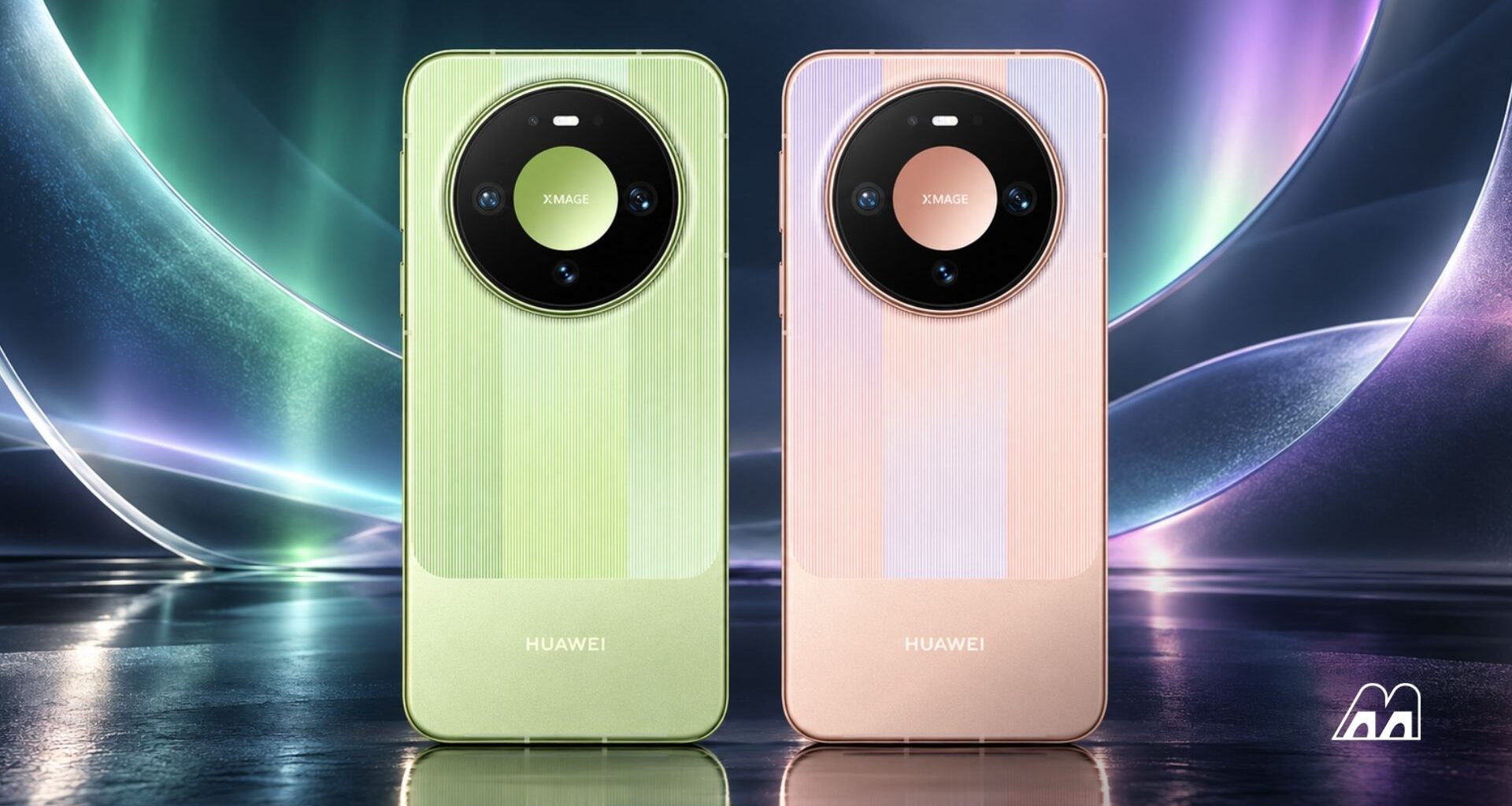
The cheapest Huawei Mate 90 now costs CNY 5,999 ($895), which is CNY 1,300 ($194) more than the Mate 80 cost at launch, and it’s powered by the same chip that ran last year’s Pro. Huawei launched the whole Mate 90 family in China on October 1 during a global livestream it had teased on X, and the base model matters most because it sets the floor for everything above it. Here’s what that extra money buys, what it doesn’t, and which Mate 90 actually makes sense.
A 6.83-inch 144Hz AMOLED display, triple-lens camera with AI photo edits, and signature Glyph Matrix with a 5080mAh battery.
6.83-inch 144Hz AMOLED display delivers an exceptionally smooth viewing experience.Snapdragon 7 Gen 4 powers demanding apps and gaming with strong thermal efficiency.Glyph Matrix, 5,080mAh battery, and 50W fast charging add distinctive everyday features.Huawei Mate 90 Specs at a Glance
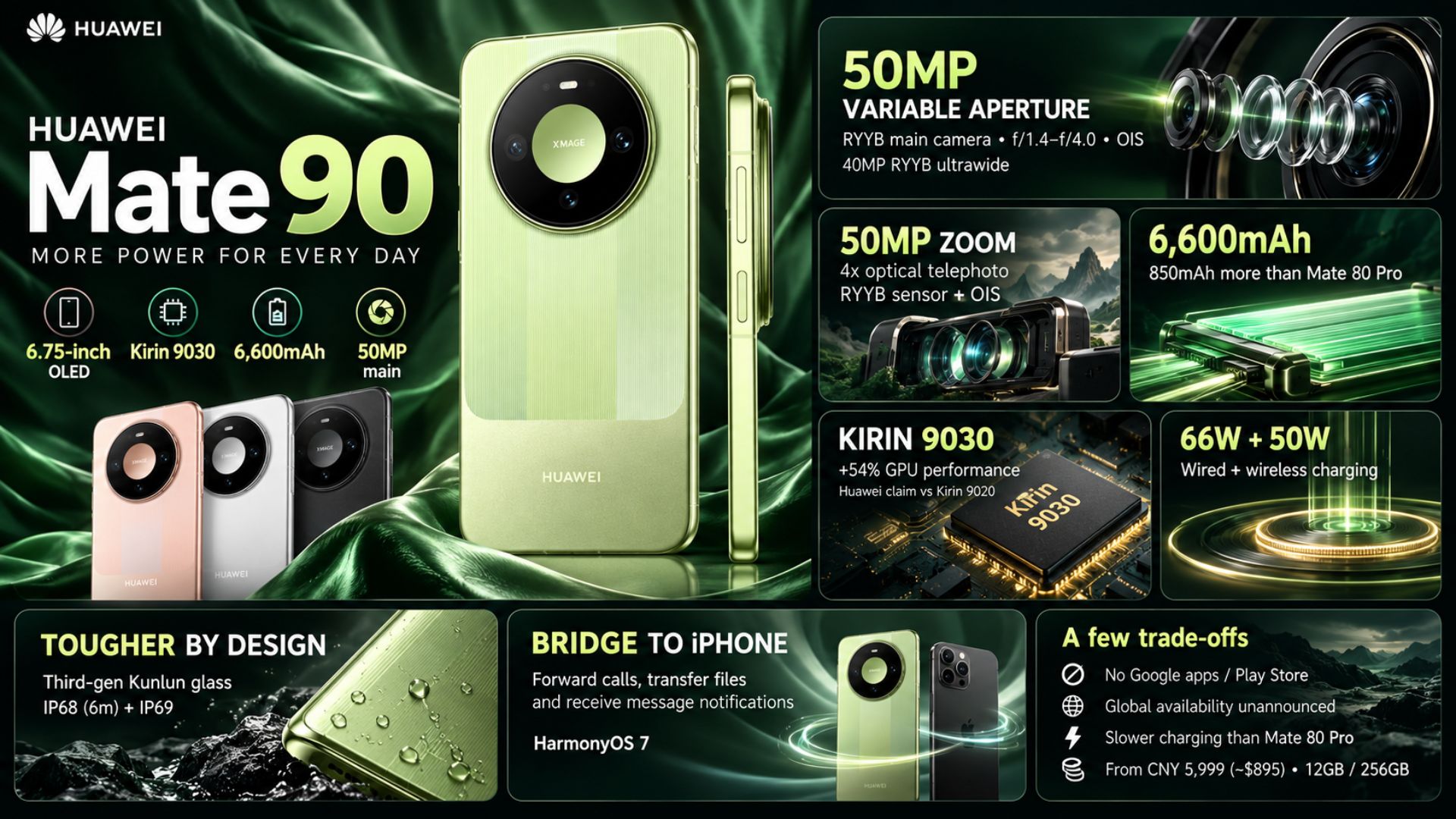
Before we get into the price question, here’s the full sheet. A few terms need quick translation: RYYB is Huawei’s sensor filter that swaps green pixels for yellow ones to catch more light, and OIS (optical image stabilization) physically steadies the lens to fight shaky hands.
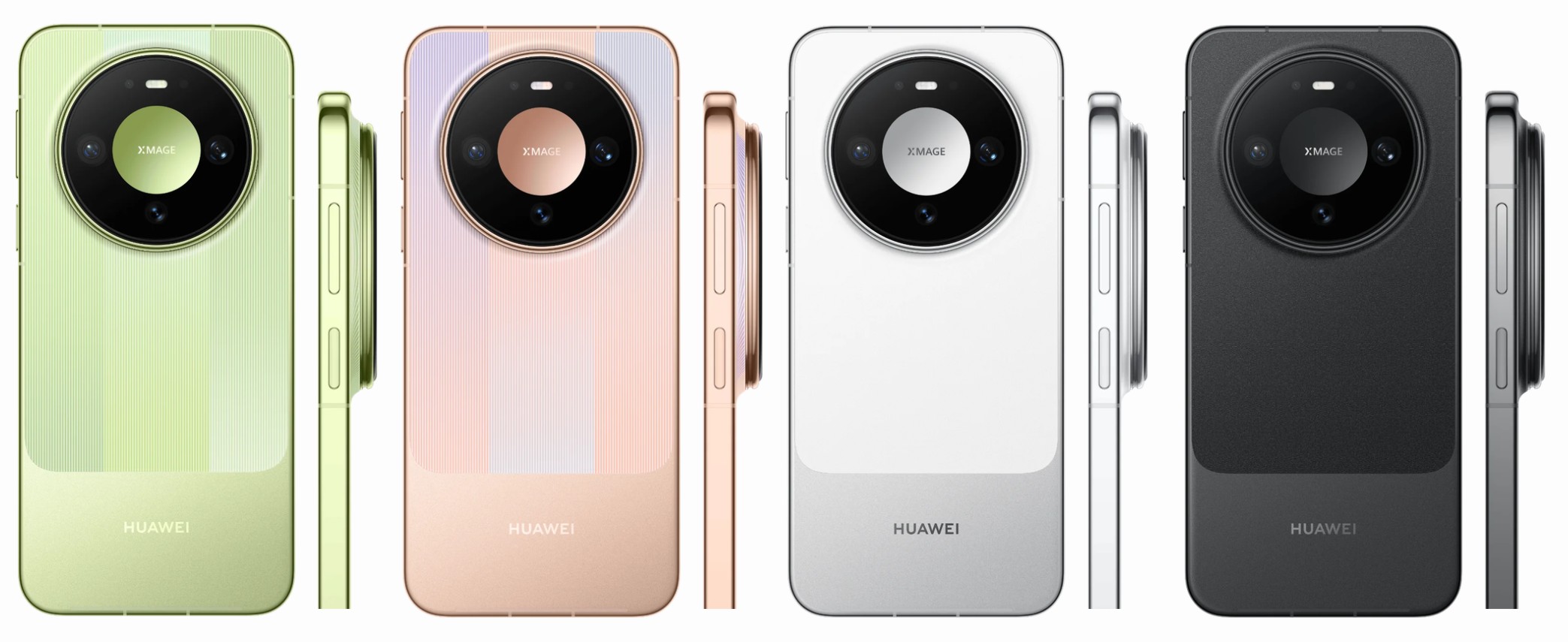
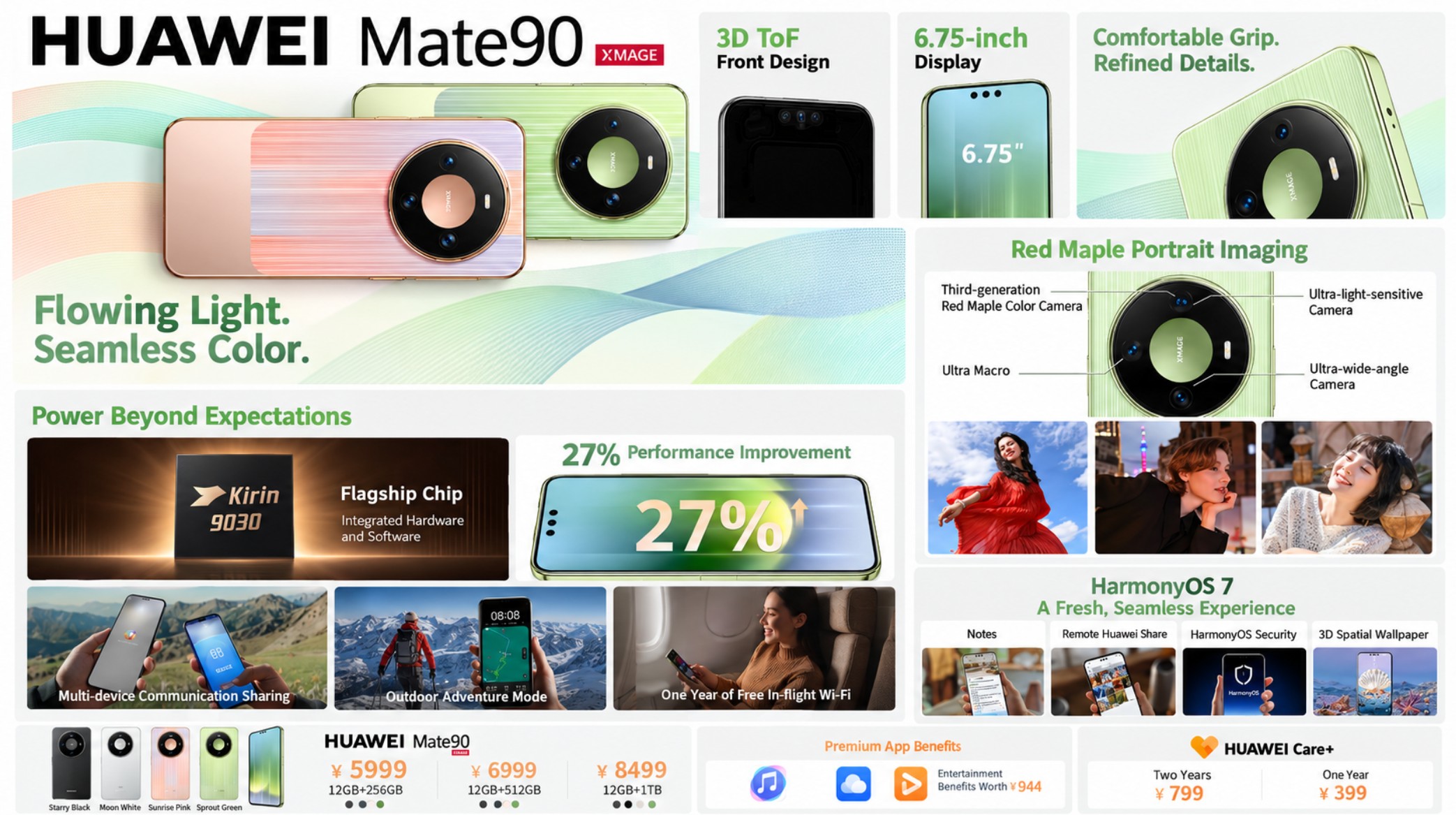
SpecHuawei Mate 90ChipKirin 9030Display6.75-inch flat OLED, third-gen Kunlun glass with nylon fiber layerMain camera50MP RYYB, 1/1.56-inch, f/1.4–f/4.0 variable aperture, OISTelephoto50MP RYYB, f/2.2, OIS, 4x optical / 8x “optical-quality”Ultrawide40MP RYYB, f/2.2Battery6,600mAh (6,415mAh rated)Charging66W wired, 50W wirelessDurabilityIP68 (6 meters) and IP69SoftwareHarmonyOS 7, BeiDou satellite messaging (mainland China)ColorsCrystal Green, Crystal Pink, Zero White, Obsidian BlackPrice12GB+256GB: CNY 5,999 (895)·12GB+512GB:CNY6,999(1,045) · 12GB+1TB: CNY 8,499 ($1,269)The Price Jump Tracks Almost Exactly With Memory Costs
Here’s the number we keep coming back to. Huawei’s consumer chief Richard Yu said rising memory costs now add about $200 to every handset Huawei makes, and that the company had been eating those costs until now. The Mate 90’s starting price went up by $194. That’s not a coincidence we’d want to bet against.
The storage ladder tells the story even more clearly. Last year, going from 256GB to 512GB on the Mate 80 cost an extra CNY 500 (75). This year, the same step costs CNY 1,000 ($149). The 512GB Mate 90 is CNY 1,800 ($269) more than the 512GB Mate 80 was, a 35% jump.
In plain terms, the chip and camera upgrades aren’t what you’re paying for. You’re paying for RAM and storage chips that got expensive because AI data centers are buying them up. We’ve watched the same squeeze push Google toward pricier Pixels, and it’s hitting budget phones even harder.
The timing is awkward for Huawei, though. Its big advantage in China this year came from holding prices steady. In the April-to-June quarter, Huawei led the country with a 22.6% share and grew shipments 19.4% from a year earlier, while Oppo, vivo, Xiaomi, and Honor all shrank after raising prices. Apple was the only other big brand growing. Now Huawei is raising prices too, right as forecasts warn China’s phone market could fall roughly 20% year over year in the second half.
Mate 90 vs Mate 80 Pro: Same Price, Different Bets
Since the base Mate 90 now costs what the Mate 80 Pro did, that’s the fairer comparison. It’s also the phone a lot of people will find discounted in Chinese stores over the next few weeks.
Mate 90 (CNY 5,999)Mate 80 Pro (launched at CNY 5,999)ChipKirin 9030Kirin 9030Main sensor1/1.56-inch1/1.28-inch (larger)Telephoto50MP, 4x48MP, 4x macro telephotoBattery6,600mAh5,750mAhWired/wireless charging66W/50W100W / 80W
The Mate 90 wins on battery and toughness, and the Mate 80 Pro wins on photos and charging. The 850mAh battery gain is about 15%, which should translate into a noticeably longer day. If battery life is your top priority, it puts the Mate 90 into the same conversation as the longest-lasting phones we’ve ranked this year.
But the main camera is the part we’d think hardest about. A 1/1.56-inch sensor is meaningfully smaller than the Mate 80 Pro’s 1/1.28-inch one. Bigger sensors collect more light, which matters most in dim restaurants and at night. Huawei’s variable aperture (the lens opening can widen to f/1.4 or close to f/4.0, like a real camera) helps with depth and sharpness, but it can’t fully make up for less sensor area.
The telephoto, on the other hand, is a real upgrade for anyone coming from a base Mate 80. That phone had a 12MP periscope. A 50MP 4x lens means cleaner zoom shots and more room to crop.
The Kirin 9030 Is a Hand-Me-Down, but a Good One
Huawei claims the Kirin 9030 is 13% faster on the CPU (the main processor), 54% faster on the GPU (the graphics processor), and 13% faster on the NPU (the part that handles AI tasks) than the Kirin 9020 in the old base model. Overall, it says that adds up to 27%. It also supports hardware ray tracing, a lighting technique that makes games look more realistic.
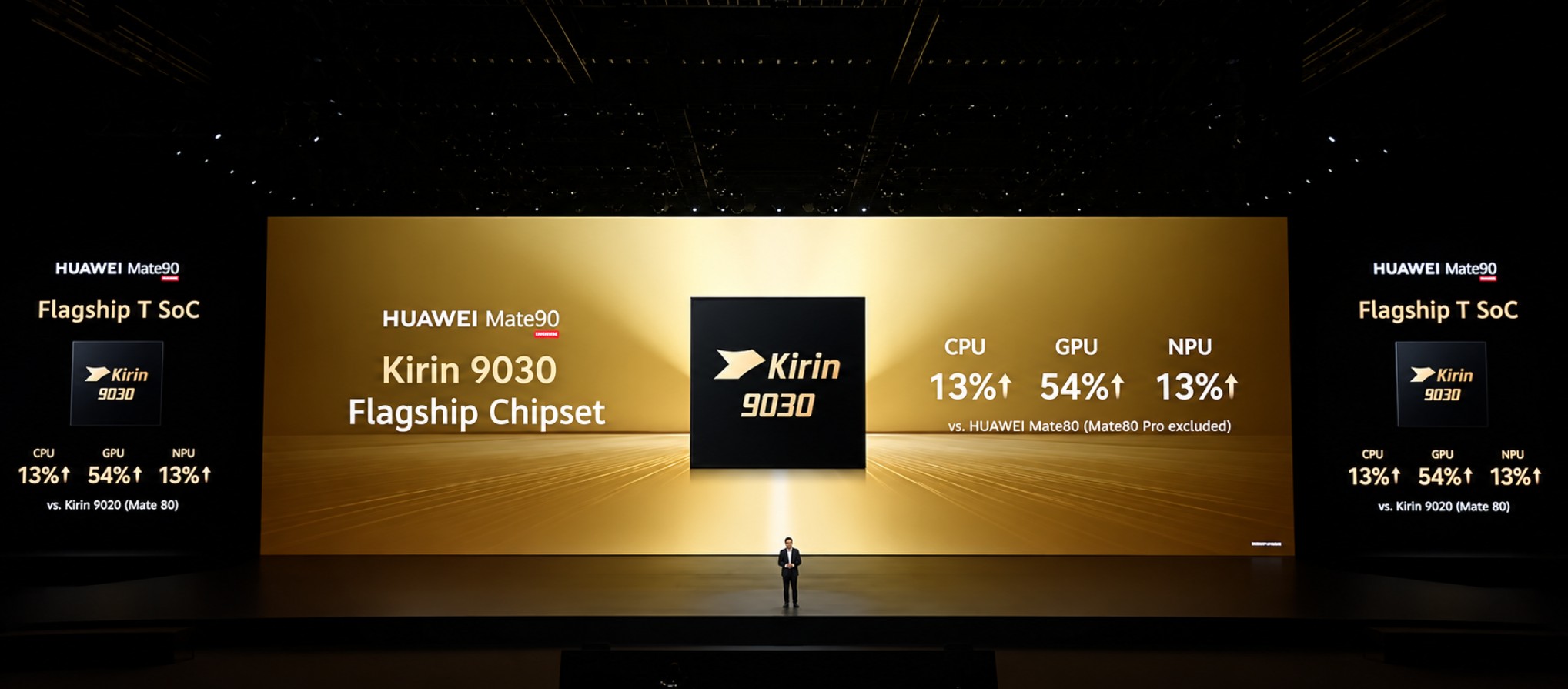
The GPU jump is the headline for gamers. Still, the 9030 is now the third-best Kirin in this lineup. The Mate 90 Pro gets the Kirin 9035, and the top models get the Kirin 9050 Pro, the folded “LogicFolding” chip that first appeared in the $2,980 Mate XT 2 tri-fold. Stacking chip layers like that is Huawei’s workaround for U.S. export limits that block access to the most advanced chipmaking machines.
For scrolling, messaging, photos, and most games, a Kirin 9030 is plenty. The bigger concern is longevity. Huawei doesn’t publish an update policy the way Samsung and Google do, so you’re trusting that HarmonyOS 7 support will stretch for years.
Toughness and the Quiet iPhone Feature
Two upgrades don’t show up in benchmarks but matter day to day. First, the new Kunlun glass mixes in a nylon fiber layer, and Huawei says drop resistance is more than 50% better than the Mate 80 series. Second, the IP68 and IP69 ratings mean the phone is sealed against dust, survives submersion to 6 meters, and can handle high-pressure, high-temperature water jets.
The feature we find most revealing, though, is the iPhone integration. The Mate 90 can forward calls, transfer files, and show message notifications from an iPhone. That’s Huawei admitting a lot of Chinese buyers carry two phones, or are switching from Apple and don’t want to lose their iPhone life. Apple grew 24.4% in China last quarter, and Huawei clearly wants a bridge rather than a wall.
The flip side for anyone outside China: HarmonyOS 7 doesn’t run Google apps or the Play Store. Huawei hasn’t announced global availability, and we don’t expect it soon.
Which Mate 90 Should You Buy?
This is where the lineup gets interesting. The 512GB Mate 90 and the 256GB Mate 90 Pro cost the same: CNY 6,999 ($1,045).
For that money, the Pro gives you the faster Kirin 9035, a dual-layer OLED screen that can hit 12,000 nits in small bright spots (nits measure brightness), and 100W wired charging. It has the same 6,600mAh battery. The base model only gives you more storage.
Unless you shoot a lot of 4K video or keep huge offline libraries, we’d take the Pro. Storage is something you can manage with cloud backup. A slower chip and slower charging are with you for the life of the phone.
The 256GB base Mate 90 at CNY 5,999 still makes sense in one case: you want Huawei’s design and battery life, and the budget is fixed. For comparison, the iPhone 18 Pro starts at CNY 9,999 ($1,492) in China. If you’re curious how that phone handles its own variable-aperture camera, the gap explains why the base Mate 90 is a volume play.
The Huawei Mate 90 is a solid phone with an awkward price story. It’s essentially a Mate 80 Pro that traded charging speed and a bigger main sensor for a larger battery, a tougher body, and better zoom than the old base model. For a China-only buyer who prioritizes endurance, that’s a fair trade.
What it isn’t is a better deal than last year. The memory crunch has turned the entry-level Mate into a mid-tier price, and the smartest money in the lineup sits one step up, with the Pro.
FAQsWill the Huawei Mate 90 launch outside China?
Huawei hasn’t announced it. Its recent global launches have favored mid-range models like the Huawei Nova 16s Pro, while Mate flagships tend to stay in China first. Even if one arrives, HarmonyOS 7 lacks Google apps, which limits appeal in most Western markets.
Why are phone prices going up across every brand in 2026?
AI servers need huge amounts of memory, so chipmakers are prioritizing them over phones. Memory contract prices are expected to keep climbing into late 2026.
What did the Mate 90 look like before launch?
Early images showed a bright green finish with a woven-style back. That Mate 90 green design leak turned out to be accurate: Crystal Green and Crystal Pink both use the lattice-pattern back at launch.
Does Huawei make a cheaper phone with a similar look?
Yes. Huawei’s Pura and Nova lines cost less and borrow plenty of Mate styling. If you like unusual shapes, the Huawei Pura X View wide-screen phone is a cheaper alternative to a foldable with a very different feel in the hand.
Are other brands also adding huge batteries in 2026?
Very much so. Chinese brands are moving to silicon-carbon batteries, which pack more energy into the same space.