
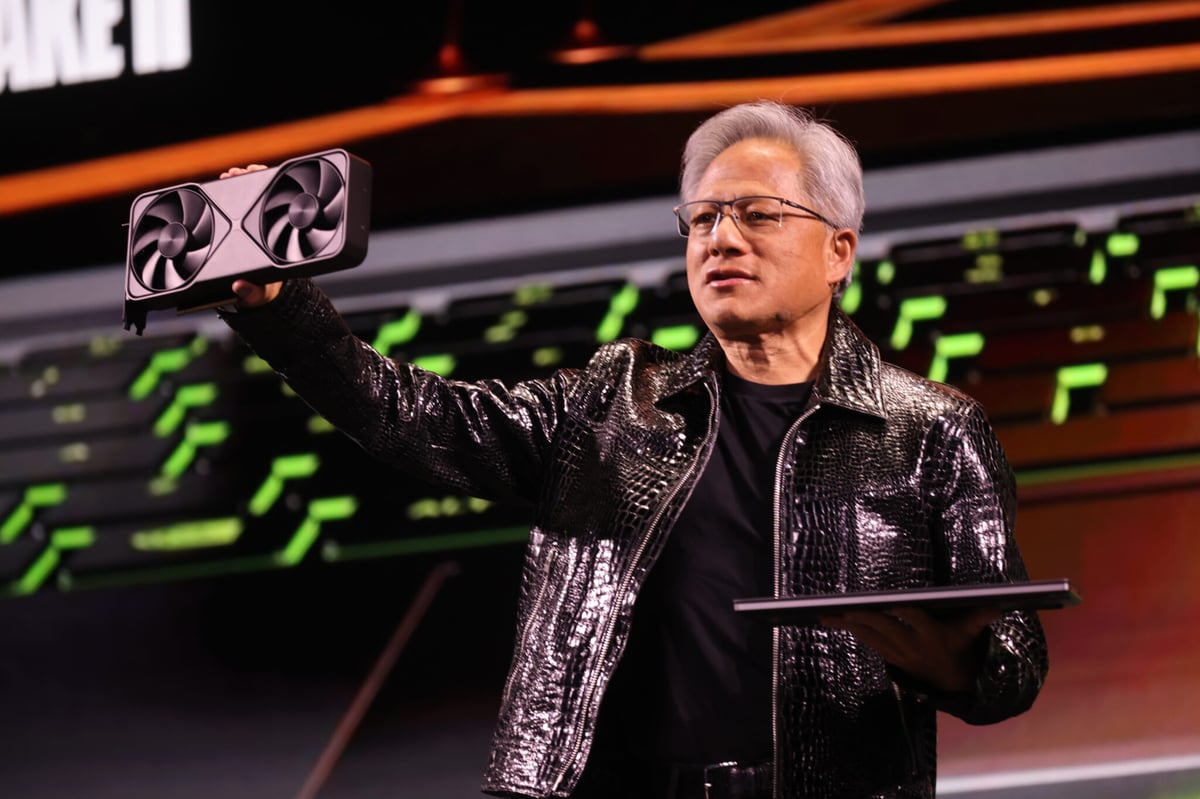
Jensen Huang, one of the co-founders of Nvidia (NVDA +1.34%), is no stranger to making bold predictions. One that he has been floating for a few years is that data center capital expenditures will reach $3 trillion to $4 trillion annually by 2030. That’s a massive increase from today’s levels, and he just commented that he believes that projection is still accurate.
While that projection may sound outlandish, I think there’s some truth to it, because Huang is privy to conversations that the regular investor is not.
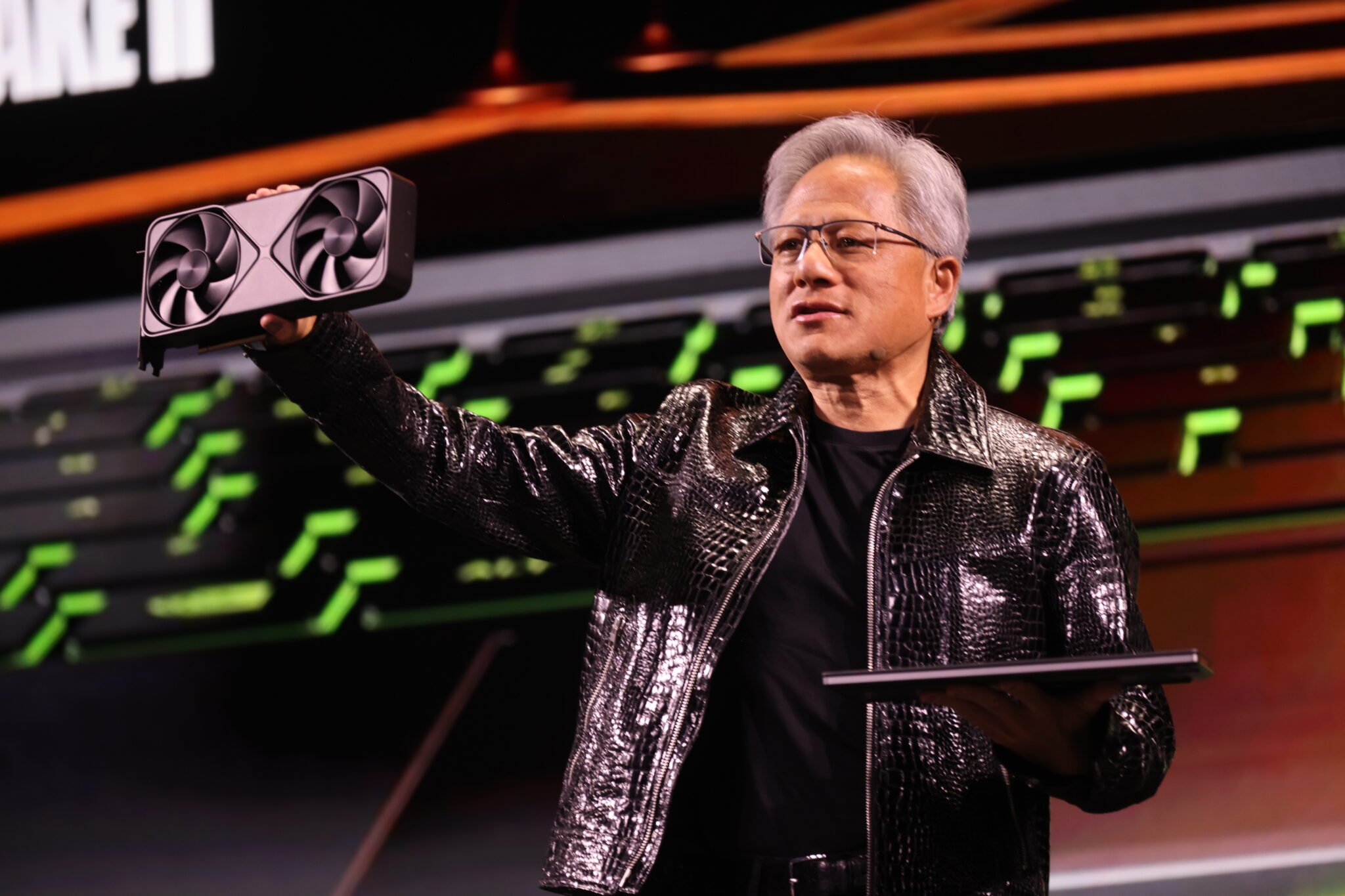
Nvidia CEO Jensen Huang. Image source: Nvidia Corporation.
Nvidia is poised to head higher with this guidance
While investors should view most CEO comments through a cautionary lens, this is one situation where I think investors should be a bit more trusting. The data center build-out is in full swing, and many companies cannot access enough computing units to meet their needs. This is causing them to plan out their growth over several years. Part of this means sharing their build-out projections with suppliers like Nvidia, which can then tell their suppliers how much capacity to prepare for. This can happen years in advance of when the chips are actually needed, so with the start of 2030 being just over three years away, it’s not outlandish to think that there are plans this far out.

Today’s Change
(1.34%) $3.09
Current Price
$233.95
Key Data Points
Market Cap
$5.6TMarket cap calculated using publicly traded shares outstanding only. Does not include unlisted, private, or dual-class non-traded shares. Implied market cap may vary.
Day’s Range
$233.60 – $237.88
52wk Range
$164.27 – $237.88
Volume
135.2M
Avg Vol
122.6M
Gross Margin
74.67%
Dividend Yield
0.22%
So, I think investors can take most of what Huang says at face value.
And if he ends up being right, there could be monstrous upside.
In 2026, Nvidia expects the big five artificial intelligence (AI) hyperscalers to spend nearly $800 billion on capital expenditures. This year, Wall Street analysts estimate Nvidia’s revenue will reach $411 billion. There are other companies spending big on AI outside the big five, so the actual total for this year may reach as high as $1 trillion. That would give Nvidia about a 40% share of all spending.
If it can maintain that share, Nvidia’s revenue could top $1 trillion by 2030. That would easily lead to the stock doubling over that time frame, and anytime you can find a stock that has the potential to double in under five years, it’s a fantastic investment opportunity.
Nvidia is still one of the top ways to invest in the AI build-out; with Huang reaffirming the strength of the AI arms race, I think it’s a great buying signal for investors.