
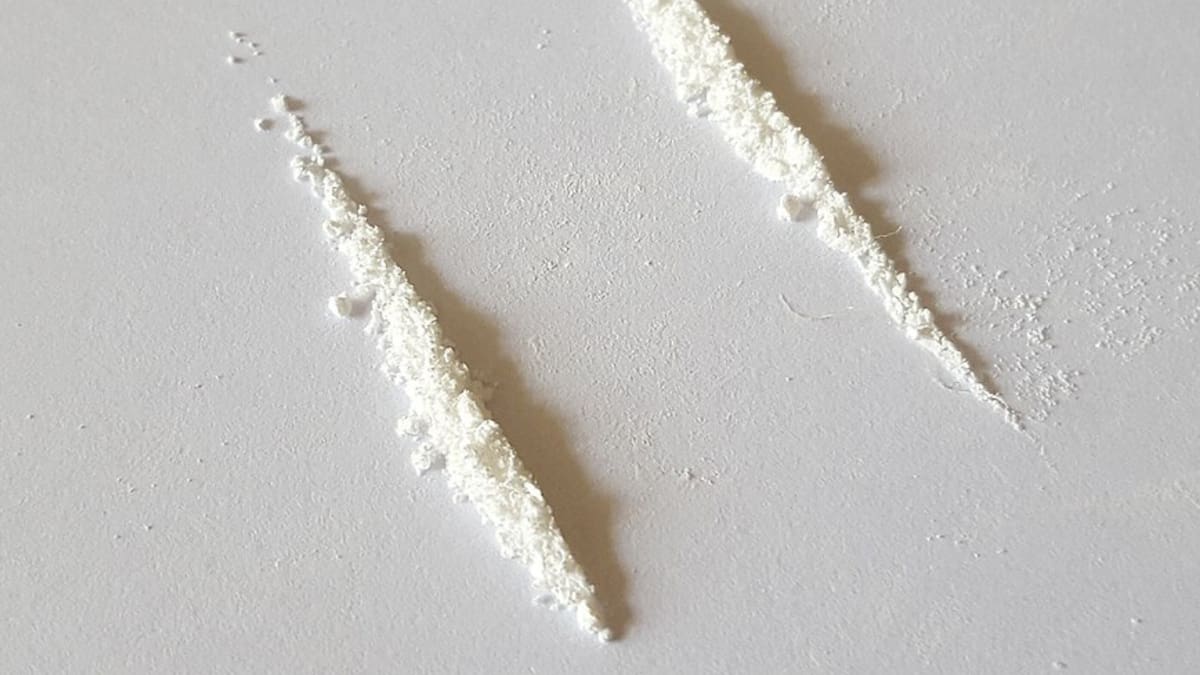
The Massey researchers said the falling price reflected increased availability through new Pacific supply routes and a “glut in coca production in Central America in recent years”.
“Greater availability, increasing social acceptance and lower prices are all contributing to people using more cocaine,” Wilkins said.
People who reported using more cocaine most commonly pointed to those three factors.
“For those using less or stopping, the cost of cocaine and concerns about their mental and physical health were the main reasons.”
The survey findings are consistent with a sharp rise detected in wastewater testing.
Estimated cocaine consumption more than doubled from 3.3kg a week in the first quarter of 2024 to 6.8kg a week in the second quarter of this year.
It reached a peak of 9.4kg a week in the final quarter of last year.
Reacting to the findings, University of Auckland pharmacy senior lecturer Dr Rhys Ponton said cocaine had historically been scarce in New Zealand compared with the United States and Europe.
“If cocaine availability continues to increase, and the price drops further, it is inevitable that we will see an increase in use.
“This shift in the market means healthcare professionals and services working with people who use drugs will need to adapt their advice and approaches to include cocaine.”
Ponton said cocaine’s short-lived effects could lead people to take multiple doses over a short period.
It could also increase heart rate and blood pressure, with potentially harmful effects including strokes, while regular use could lead to psychological dependence.
Victoria University criminologist Associate Professor Fiona Hutton warned against a “moral panic”, noting most people surveyed who had recently used cocaine still did so monthly or less frequently.
“Governments and policymakers should ensure those working with people who use drugs have the resourcing to support those who may have problems associated with cocaine,” she said.
The non-representative, anonymous online NZ Drug Trends Survey has so far attracted 3456 respondents this year, including 929 who reported using cocaine in the previous six months.