
Patients must weigh up whether it’s worth delaying often life-saving treatment to preserve their fertility.
The process is not funded for endometriosis or PMOS (polyendocrine metabolic ovarian syndrome, formerly PCOS – polycystic ovarian syndrome) diagnoses, though some elect to freeze their eggs as these conditions can make it harder to conceive.
We talk to two women who, in the face of health diagnoses, have had to decide whether to freeze their eggs or not.
‘The ticking time bomb’
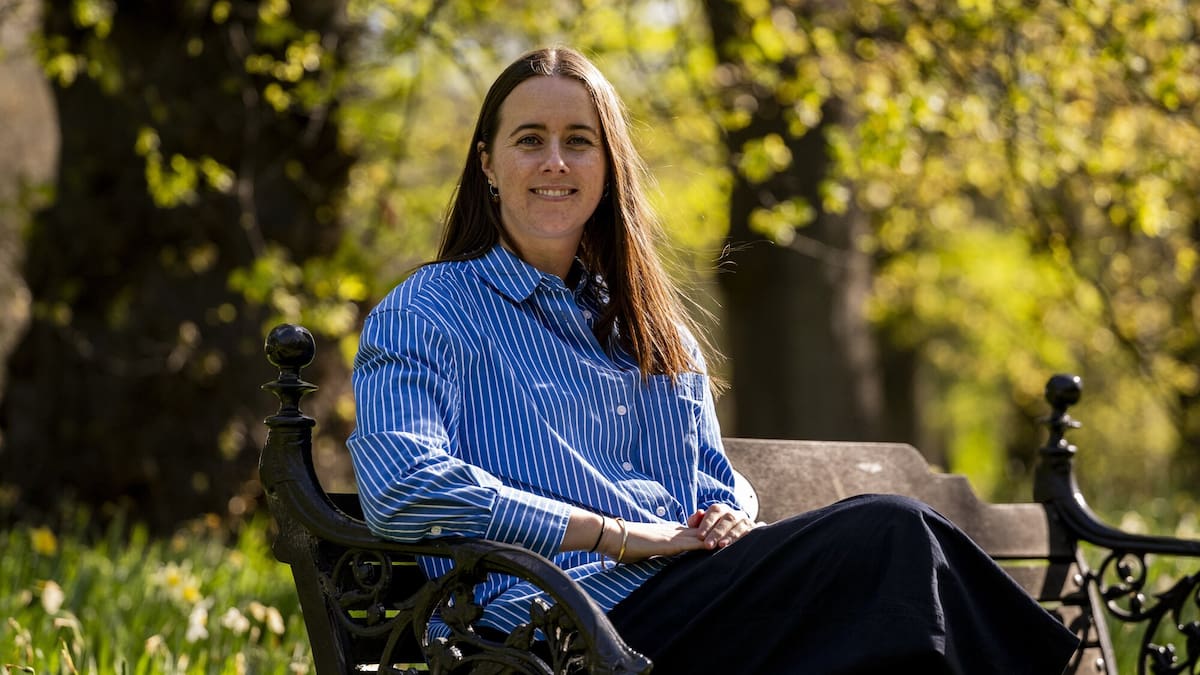
Christchurchnurse Brittany More, was 28 when she was diagnosed with stage 4 endometriosis in 2023.
Aside from cysts on her ovaries – endometrioma – she’d never had typical symptoms of the disease, such as pain or heavy, debilitating periods. With endometriosis, the stage of disease and severity of symptoms don’t necessarily correlate.
More was diagnosed with incurable inflammatory bowel disease Crohn’s at the same time. Newly single, she had to confront two diagnoses and the potential impact on her fertility.
“It was a bit of a whirlwind … I had just ended a five-year relationship, I was 29 and I was terrified,” she says.
“The ticking time bomb that we all know we have as females was massive in my head.”
Her gynaecologist suggested fertility preservation and referred her to Fertility Associates, where she decided to freeze her eggs, though it wouldn’t be funded.
“I knew that it wasn’t a guarantee, and I knew that I was exceptionally privileged in that I could pay this large chunk of money … to preserve my fertility.”
Freezing eggs can vary in cost depending on the clinic and how many cycles are needed. More paid about $12,000 for one cycle, including consults and medications, and now pays a storage fee of about $245 every six months.
She says it was “100%” worth it.
“It was priceless in my opinion, because of the time in my life, and I was hyper-aware of the struggles that women even without endo [can have] with fertility.”
She didn’t need treatment for endometriosis before starting the egg-freezing process, as she was asymptomatic, the endometriomas weren’t growing in size and she had not been trying, unsuccessfully, to conceive.
Her egg retrieval was a success. She’s grateful she only needed one round, as some women need two or three, depending on their ovaries.
Before starting treatment, she was told she had a 60% chance of conceiving one day because of her age.
“I got 17 eggs from the treatment, which is quite a lot … there’s an 80% chance of one live birth if I were to use them one day.”
Nearly three years later, she’s in a new relationship. While her partner is “absolutely on board” with whatever it takes if they decide to have a child in future, More doesn’t want to have to use her frozen eggs.
“Ideally I would hope to never, ever have to use them. That’s my aim, that I end up in that 40% that doesn’t actually end up needing to go down the fertility treatment route.”
Jessica Petersen, 30, and her partner Stefan Read decided against fertility preservation treatment after Petersen’s breast cancer diagnosis as it would delay the start of her cancer treatment.
‘The whole timeline for your life changes’
Taranaki teacher Jessica Petersen, 30, was diagnosed with triple negative breast cancer last year at 29 after discovering a 2.5cm lump while showering.
“It turned out to be a late stage one, early stage two cancer, which thankfully hadn’t spread,” she says.
“It was a big shock and disruption to everyday life.”
Once her treatment plan was confirmed – six months of chemotherapy, then surgery – Petersen was referred to a fertility preservation team to discuss her options.
Public funding is available for the retrieval, freezing and storage of eggs for up to 10 years for women undergoing chemotherapy or radiation who are under 40, have a BMI under 32, and haven’t had children.
Petersen and her partner decided against it, as she would have had to undergo a retrieval before starting her cancer treatment, delaying it by a month or more.
“It’s not a long process, but in the context of just having received a cancer diagnosis with some urgency, your whole timeline for your life changes,” she says.
“We were undecided about having children anyway, which played a really big part [in the decision] for both of us.”
Because Petersen also has PMOS and endometriosis, there was “no guarantee” egg freezing would protect her future fertility.
“If we do try to get pregnant in the future and we have issues, I don’t think I will regret my decision. For me and my partner, the priority was my life and my health … ultimately, it’s a price that we were willing to pay.”
After chemotherapy, surgery and radiotherapy, she’s now on oral chemotherapy targeting remaining active cancer cells, hoping to be finished with treatment by the end of the year.
While she’s battled debilitating side effects from pain and fatigue to hair loss, her outlook is “pretty good” as her cancer was caught early.
Looking to the future, she and her partner will take “whatever happens as it comes”.
“If we do end up having kids, awesome. If we don’t, that’s cool too. And if we decide that we want to have kids but we’re not able to have biological children, we’ll look at our options there as well.”
The cost to freeze your eggs in NZ
The initial egg freezing cycle can cost between $12,000-$14,000, including consults, medications and the first six to 12 months of storage, after which annual fees apply.
The cost of thawing the eggs, creating embryos with donor or partner sperm, and implanting the embryo is another $10,000 or so, Gupta says. This cost applies even if you qualified for funding for the retrieval and storage for medical reasons.
She adds it’s important people realise the procedure isn’t a guarantee of conception.
“The freezer doesn’t stop the biological clock, it just preserves your eggs at the age you froze them. So the younger you are, the better and that’s well documented, because as we age our egg quality declines with quantity.”
Bethany Reitsma is a lifestyle writer who has been with the NZ Herald since 2019. She specialises in all things health and wellbeing and is passionate about telling Kiwis’ real-life stories.