
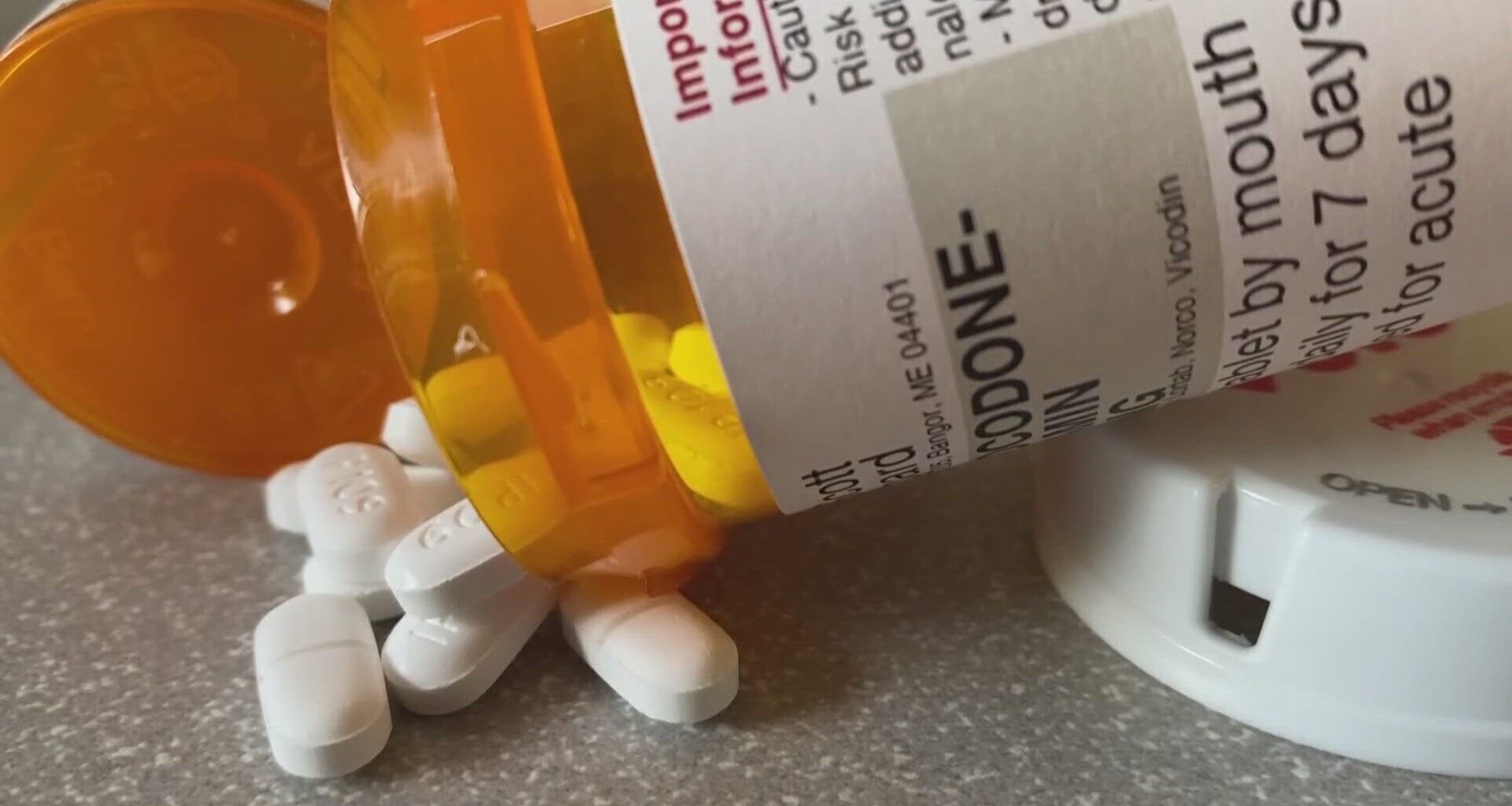
Maine Attorney General Aaron Frey says that the state is seeking court approval of settlements with Ascend Laboratories, Citron Pharma, and Mayne Pharma.
AUGUSTA, Maine — People who purchased certain generic prescription drugs between May 2009 and December 2019 could be eligible for compensation as Maine joins a multi-state effort to settle allegations of price-fixing in the generic drug industry.
Maine Attorney General Aaron Frey says that the state is seeking court approval of settlements with Ascend Laboratories, Citron Pharma, and Mayne Pharma. The companies are accused of participating in a long-running conspiracy to inflate prices, limit competition, and manipulate the market for generic prescription medications.

This story continues below.
Under the proposed settlements, Ascend Laboratories will pay $400,000 to participating states, while Mayne Pharma will pay $650,000. Citron Pharma, which is no longer in business, agreed to non-monetary terms that include reforms aimed at promoting compliance with antitrust laws and fair competition.
The settlements are the latest development in a nationwide legal battle involving dozens of generic drug manufacturers. States have previously secured settlements totaling nearly $500 million from several other companies, including Sandoz, Glenmark, Lannett, Bausch, Apotex, Heritage Pharmaceuticals, and Heritage’s parent company, Emcure.
Consumers who purchased generic prescription medications during the affected time period may be eligible to file a claim for compensation.
To check eligibility, consumers can:
Visit AGGenericDrugs.comCall 1-866-290-0182Email info@AGGenericDrugs.com
The investigations, led by Connecticut and joined by 45 states and territories, allege that drug company executives coordinated pricing and reduced competition across a wide range of generic medications. Court filings describe years of communications between competitors, including phone calls, emails, text messages, industry dinners, golf outings, and other gatherings where prosecutors say unlawful agreements were discussed.
The states are preparing for the first trial in the broader litigation, which is scheduled to begin in Connecticut in February 2027.