
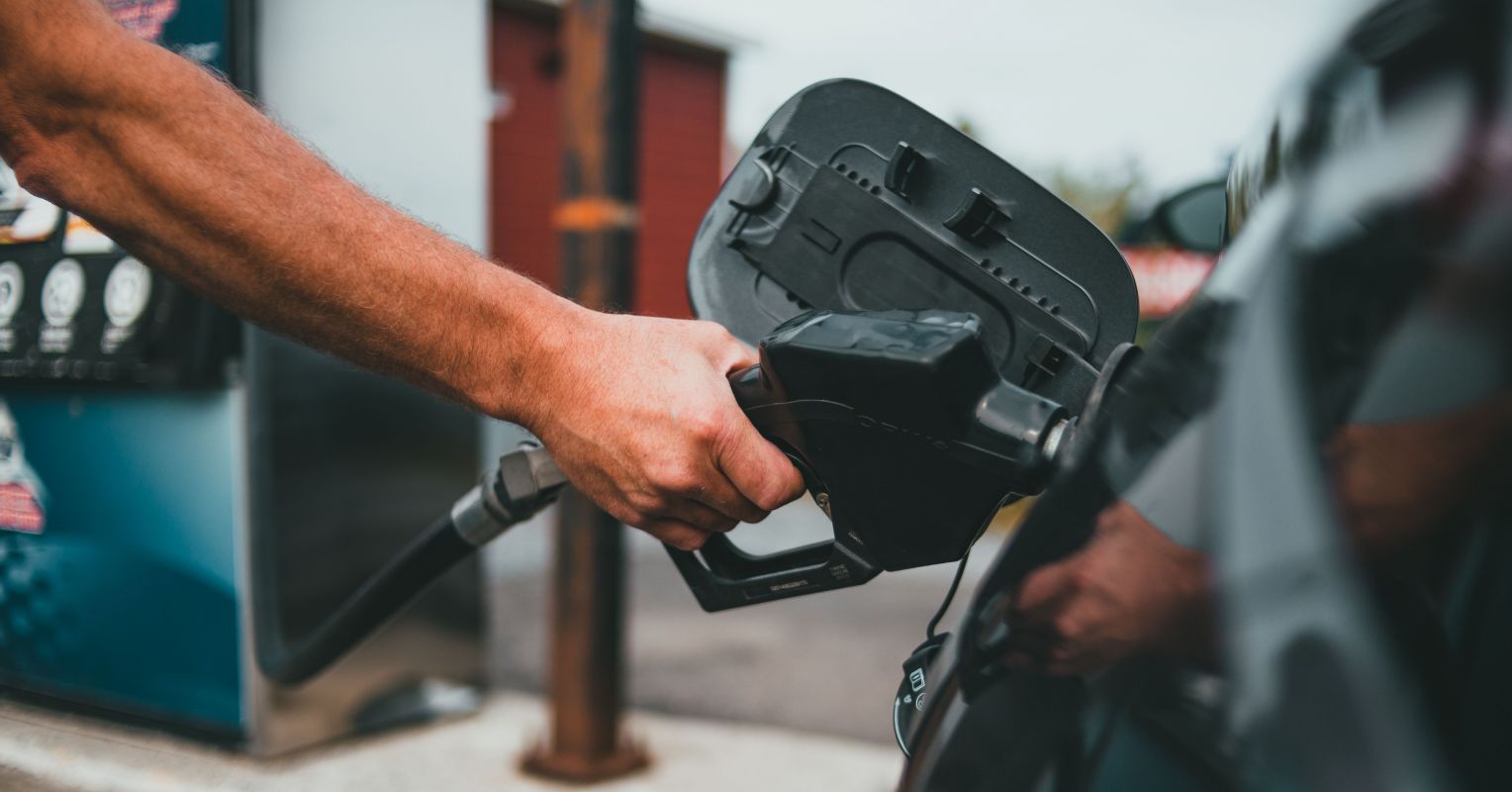
The national average price of a gallon of gas in the U.S. is breaking records. Evidence of the ongoing cost-of-living crisis is everywhere, but nowhere do shoppers feel its impacts more than at the gas station.
You pull in on the way to work. You lift the nozzle and watch the numbers on the pump start to climb. And climb. And keep on climbing, long past the point where you would usually expect them to stop. Meanwhile, the tank is still only half full.
It is not a pleasant experience. Paying for gas can feel far worse than paying for the same amount for almost anything else.
So why does filling up hurt so much?
Pain at the pumps
Generally, by the time we consume something, paying for it has become a distant memory. The two are usually kept at a comfortable distance from one another, so our attention is on what we have bought, usually not on how much we paid for it.
For example, you might buy a coffee to go, leave the store and drink it later once it has cooled to a more palatable temperature. By then, you have forgotten what it cost, or you are too distracted by how nice it tastes to remember. You pay for Netflix once a month, but the payment is automated, so you are even further removed from the purchase as the money leaves your bank account automatically. You don’t think about how much you are paying for the streaming service when watching their latest TV series.
The experience of paying for gas, however, is different. We pay while we consume. The running total is right in front of our eyes as the cents tick by, faster and faster.
Prelec and Loewenstein (1998) called the unpleasant feeling experienced when handing over money the pain of paying. They argued that this pain is at its worst when paying and consuming happen at the same time, because there is no escaping the instant reminder of the costs. Few purchases bundle paying and consuming together quite as tightly as filling up a car.
The taxi meter effect
Consumers dislike this feeling so much that they may pay extra to avoid it. Lambrecht and Skiera (2006) studied thousands of customers of an internet provider who could choose between paying for what they used or paying a flat monthly fee. Many chose the flat fee, even when paying only for only what they used would have been cheaper.
The researchers used the taxi meter effect to explain this behaviour. Watching the meter slowly climb from the back seat of a cab can cause discomfort for passengers. People feel pain when they know a meter is running and can see the evidence of it. With a flat fee, however, you never have to watch or worry, so you enjoy exactly the same service more without being reminded constantly of how much it is costing you.
The same happens at the gas pump, only worse. Customers have to stand and watch the numbers get larger, and there is nothing they can do about it.
Going the extra mile
When prices go up, many drivers start shopping around. They may search price comparison apps or be willing to drive a little further across town in their commitment to finding a cheaper price. It may seem rational to shop around, but the money saved by driving further to a cheaper gas station is negligible if it takes more gas to get there.
The way drivers react when gas prices rise is rather different from how they react when prices start to fall. Researchers Lewis and Marvel (2011) tracked visits to a gas price comparison website where drivers report and compare local gas prices. They found that people searched for cheaper gas more when prices were rising than when they were falling.
In the context of the pain of paying, that makes sense. When prices at the pump are climbing, every little saving matters, so drivers go looking for a price closer to what they consider reasonable or what they are used to paying. When prices start to fall, the pain eases, so people stop looking and slip back into their usual habit of buying wherever is most convenient.
Running on empty
The price crisis at the pumps is also changing how people view the wider cost-of-living crisis. Sung and Kim (2026) found that when people expect gas prices to go up, they expect the price of everything else to rise, too. When they expect gas prices to go down, however, their expectations about everything else do not change. They also found that the effect was stronger for households on the lowest incomes than for those on the highest.
Given how fast prices are rising, not just at the pumps but across the marketplace, consumers are having to accept that they will only feel more pain when paying.