
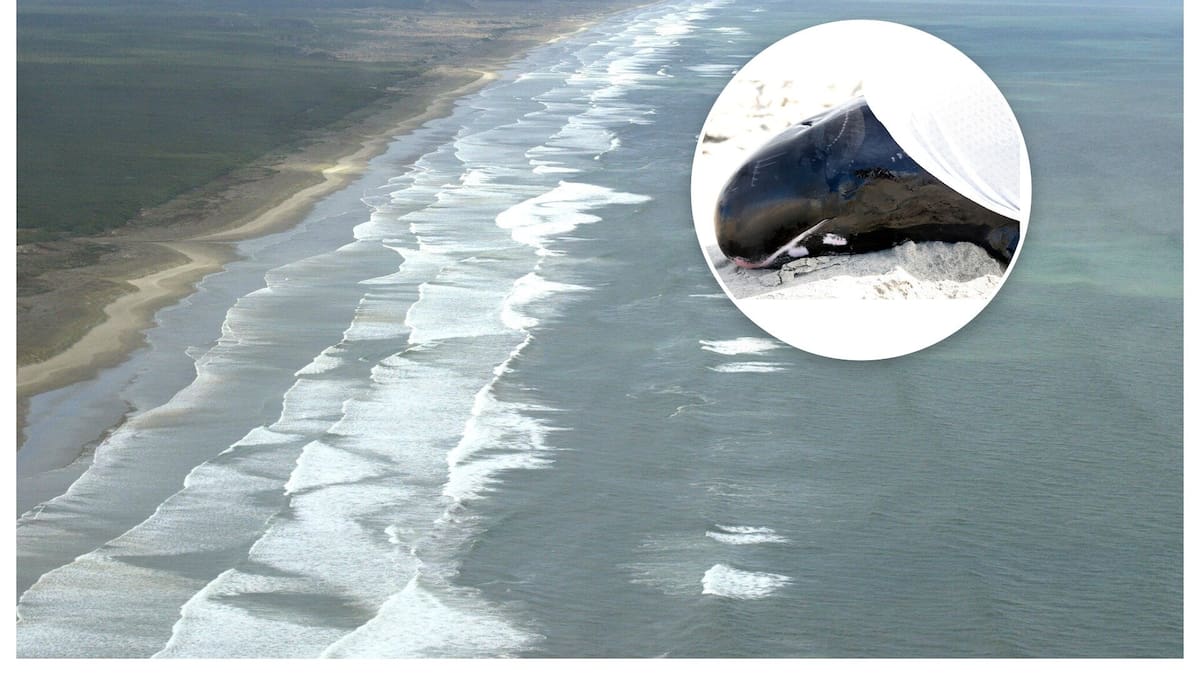
“The event was a shared expression of awhi, grief and manaakitanga, and will remain part of the memory of the whenua and those who gathered to assist,” Ngāi Takoto said earlier.
Te Iwi o Ngāi Takoto has named the place to acknowledge what occurred and the final resting place of the kākahi, ensuring the event is remembered by future generations.
The iwi – which is yet to release the name publicly – said the stranding prompted a co-ordinated response grounded in tikanga and shared responsibility.
DoC acting operations director northern North Island, Shana Harding said they are reviewing the response to the stranding, “including the condition and assessment of the whales, the actions taken, and the information available to responders at the time decisions were made”.
As this investigation is ongoing, DoC is not yet in a position to respond in detail to specific questions, Harding added.
“It is important that the relevant information is collected, verified and considered before any conclusions are reached.
“We recognise the significant public interest in marine mammal stranding responses, particularly where decisions are made to euthanise animals, and the importance of clearly explaining what occurred and the basis for those decisions.”
Many on social media questioned how the stranding was handled.
Harding said once the investigation is complete, DoC will be better placed to address the matters raised.