
 5 min read
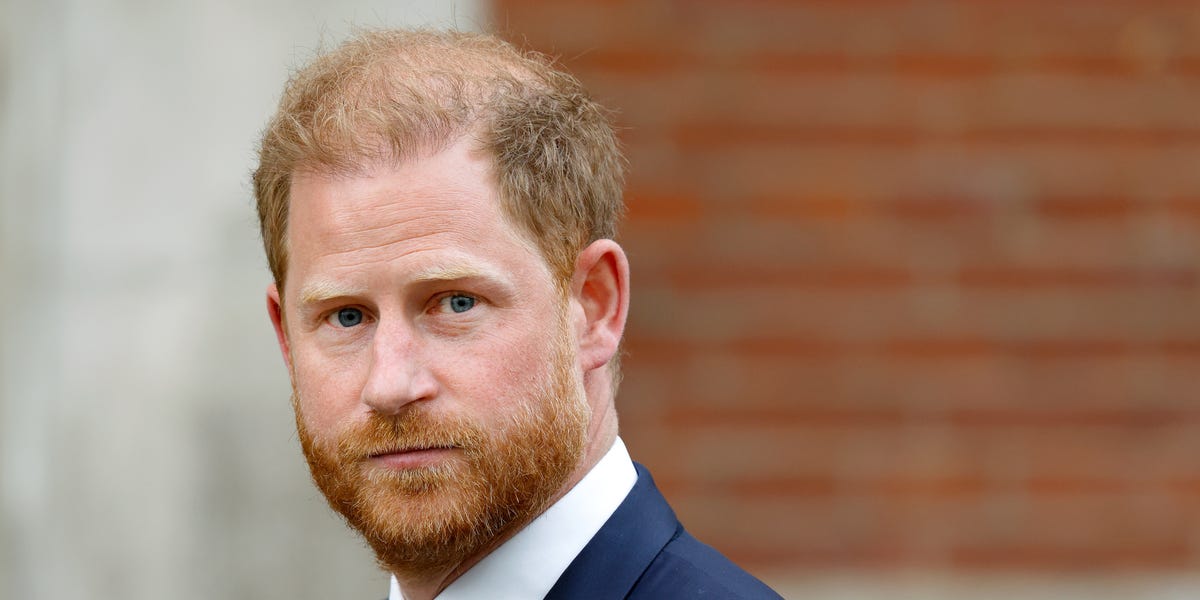
Prince Harry is opening up again about the grief after the loss of his mother, Princess Diana, for a new MasterClass out today, titled “Redefining Grief: Building Resilience Through Loss.”
“Unprocessed grief doesn’t stay in the past, it comes with you,” he says in the introduction, speaking about his healing process after Diana’s death and revealing how he focused on building resilience and finding purpose. “If I could go back and have a moment with my younger self, it would be to give 12-year-old Harry a hug and tell him everything’s going to be okay,” he says during the class.
Much of Harry’s teachings focus on his own journey after Diana’s death, which saw him serve in the military, and start therapy. “Everything I do, everything I put my energy towards, I hope that my mother would be proud about it,” Harry says near the end of “Redefining Grief.” “Trying to continue, and protect her legacy, what I didn’t realize was the work I ended up choosing, or the work I ended up getting draw in and attracted to, was so similar to the work she was doing as well. Certainly with grief comes this—not so much responsibility, but this carrying of the person that you’ve lost throughout you’re life. There’s an element of me carrying my mother in me that ultimately energizes me for the work that I do.”
 MasterClass
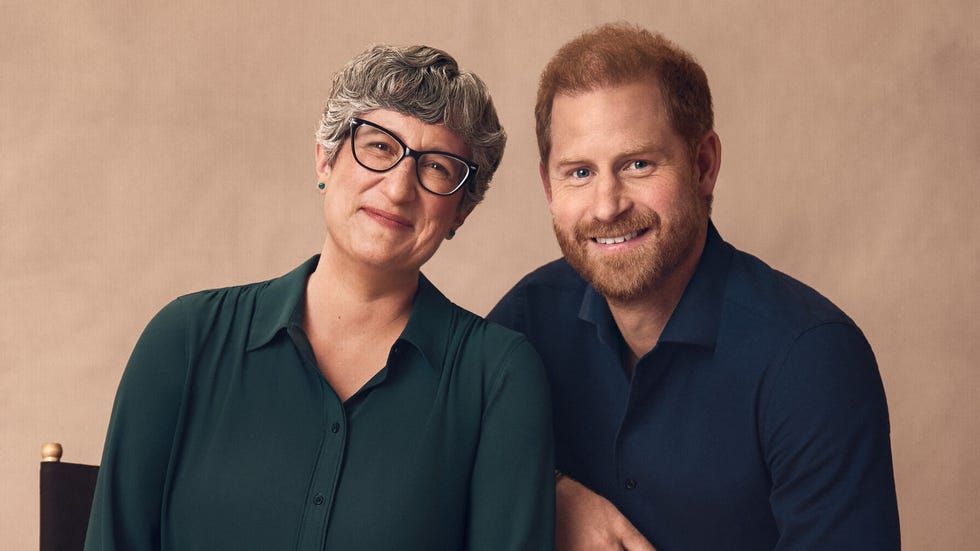
Dr. O’Connor and Prince Harry in the MasterClass.
The Duke of Sussex and Dr. Mary-Frances O’Connor, a grief neuroscientist and psychologist, filmed the MasterClass in California early this past summer, structured around five different lessons: “Reframe Grief,” “Break the Old Patterns,” “Upgrade Your System,” “Rebuild Who You’re Becoming,” and “Turn Pain Into Purpose.” T&C understands it had been in the works for a while.
“This class is for anyone rebuilding,” Dr. O’Connor says at the start. “Grief isn’t something you move past—it’s something you move through.” Throughout, Harry himself discusses various tools he’s used to help through grief, like talk therapy, moving therapy (his trek through Antarctica), scent therapy (purchasing Diana’s perfume), visualization techniques he’s used, and more.
Tied to the launch of “Redefining Grief: Building Resilience Through Loss,” MasterClass is supporting two organizations that help young people through grief: Scotty’s Little Soldiers, which Prince Harry is involved with that supports bereaved military children and young people, and Comfort Zone Camp, a bereavement camp in the United States.
 Tim Graham//Getty Images
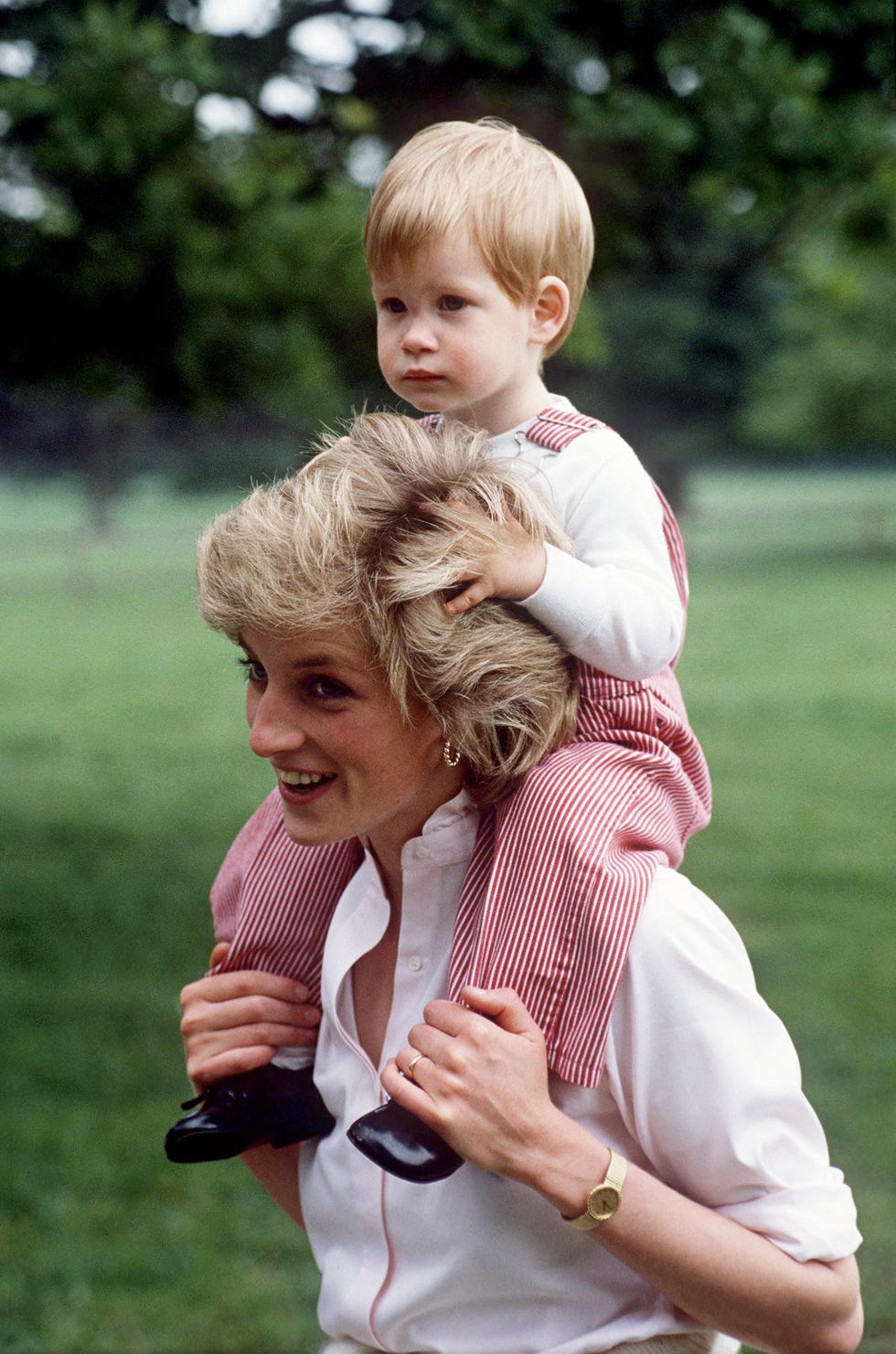
Diana and a baby Harry.
In one of the more personal parts of the class, Harry talks at length about how adrenaline kept him throughout his young adulthood and his twenties. “Most of us are really good at hiding the pain and what’s going on inside,” Harry says over footage of Princess Diana’s funeral. “Everybody knew what had happened to me as a kid, and I think everybody looked at me, probably, to see: How’s he doing? Is he okay? How must he be feeling after losing his mum at the age of 12. Therefore, it was even more of a reason to give the impression that I’m okay, I’m fine. For 15, 20 years when I was being asked ‘Are you okay?’ My response was, ‘I’m fine.’ It was numbness, and emotional shutdown.”
While much of what Harry reveals he’s written or spoken about previously, including in his memoir Spare and in the Apple TV series The Me You Can’t See, during one of the conversations with Dr. O’Connor featured in the class, Harry reveals new insights about his time in Vancouver with Meghan and baby Archie in 2019 and 2020 and what it meant for his adrenaline to stop.
“We moved to Canada to get some space away from everything, just to be able to think,” he says. “Being in Canada, away from the stressful environment where presumably my body was just pumped full of adrenaline, within two or three days—I experienced this adrenaline crash, something I had never experienced before… I became useless around the house, I slipped into depression for about two weeks. I felt like I couldn’t function.” (The Sussexes eventually landed in California, and moved back to the UK this August.)
 Anwar Hussein//Getty Images
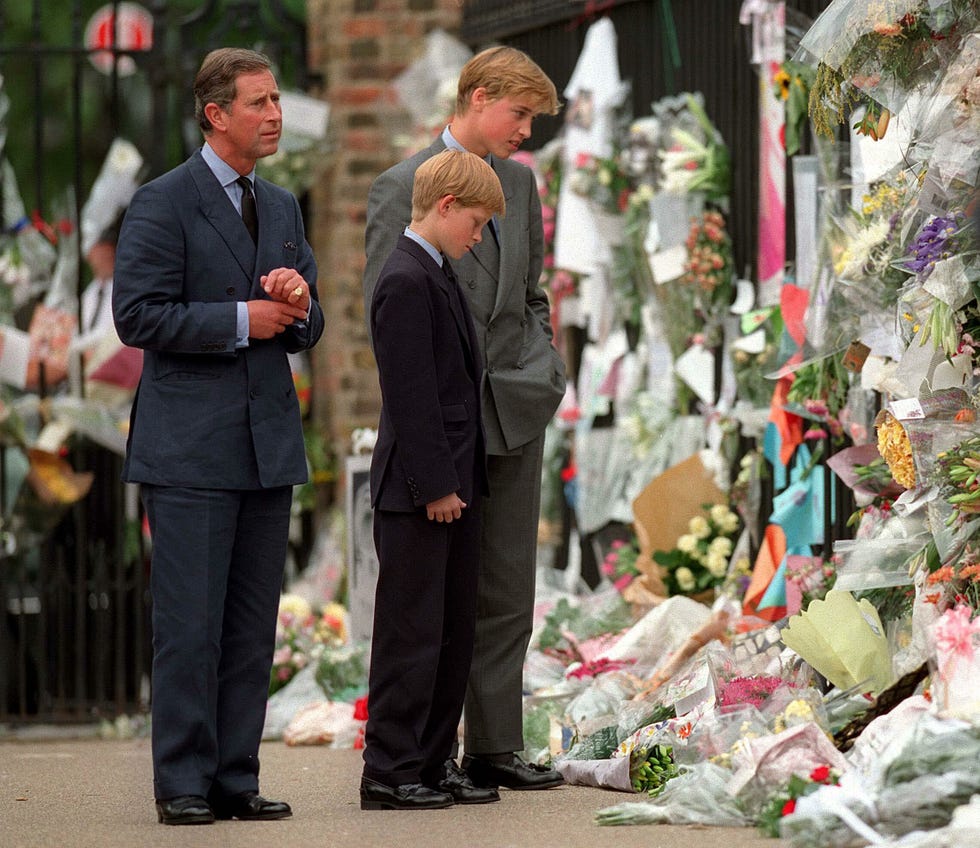
Charles, Prince William and Prince Harry look at floral tributes to Diana, Princess of Wales.
King Charles is not mentioned in the class, and Prince William comes up infrequently. Notably, though, Harry talks abou looking at floral tributes outside Kensington Palace days after Diana’s passing. “My brother and I were intermediaries for these people’s grief towards our mother. They were showing more emotion than we could… I almost felt guilty that I was unable to show the same emotion as these people, who were crying for someone they never met.” Harry then says he held onto a “protective belief” that Diana would somehow return and whisk him and William away.
Harry doesn’t really delve into his time as a senior working royal, but shares how public engagements used to create “panic” for him. “The biggest anxiety that was created, for me, was the fear of sweating,” he says. “The fear of people seeing me looking disheveled, and me not being able to explain to them in one short sentence what’s actually going on.”
 Pool//Getty Images
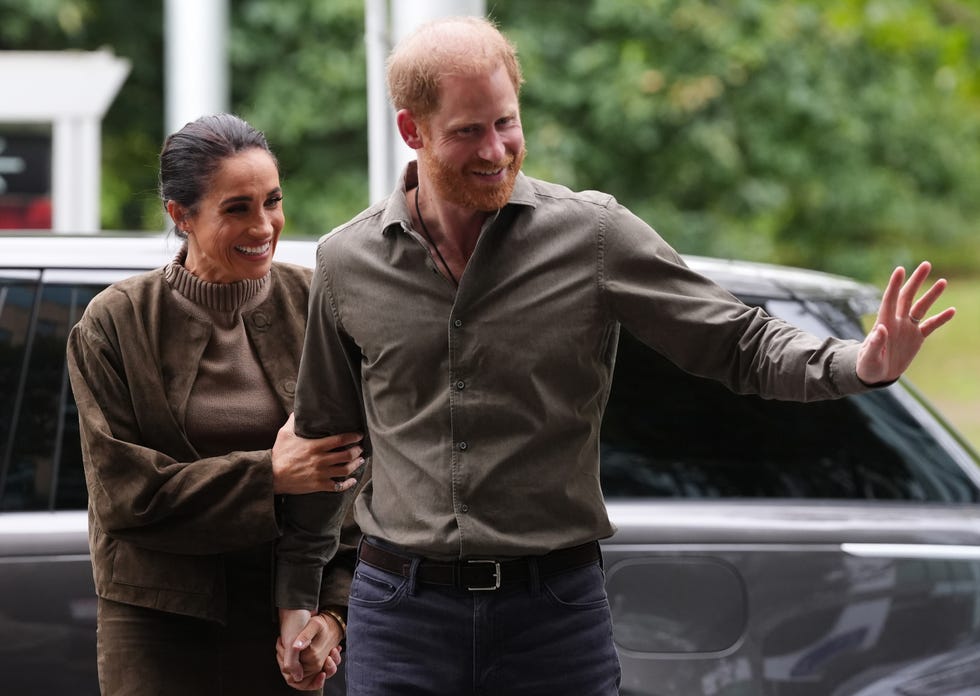
Prince Harry and Meghan earlier this year.
Throughout “Redefining Grief,” Harry speaks extensively about his time in the military and his work with veterans in the last decade with regard to finding his purpose. “In the military, I was so attached and connected to that identity, that when I left, I was fortunate to have another identity to fall back on, and both them were focused, or at least sourced by, service. And that service to others is a seriously energizing factor for me.”
He continues, “Purpose and meaning in life is such a strong factor in me, and I would encourage everybody to find their purpose and find meaning in their life if they don’t have it, and find your people that you can function with, and find that cause that is larger than yourself—because you will find drive and energy and commitment like you have never discovered before.”
The Duke of Sussex also emphasized how important balancing identities is to find joy. “The biggest factor for me is the energy and the joy and the happiness that I get being with my family, especially our kids, and the joy and happiness I get by being on the ground for my work—and the key for the joy and happiness balance is no more than ten days away from my wife and kids,” Harry says. “This is balancing my work and the purpose behind that, as well as being a dad and a husband.”
 Tim Graham//Getty Images
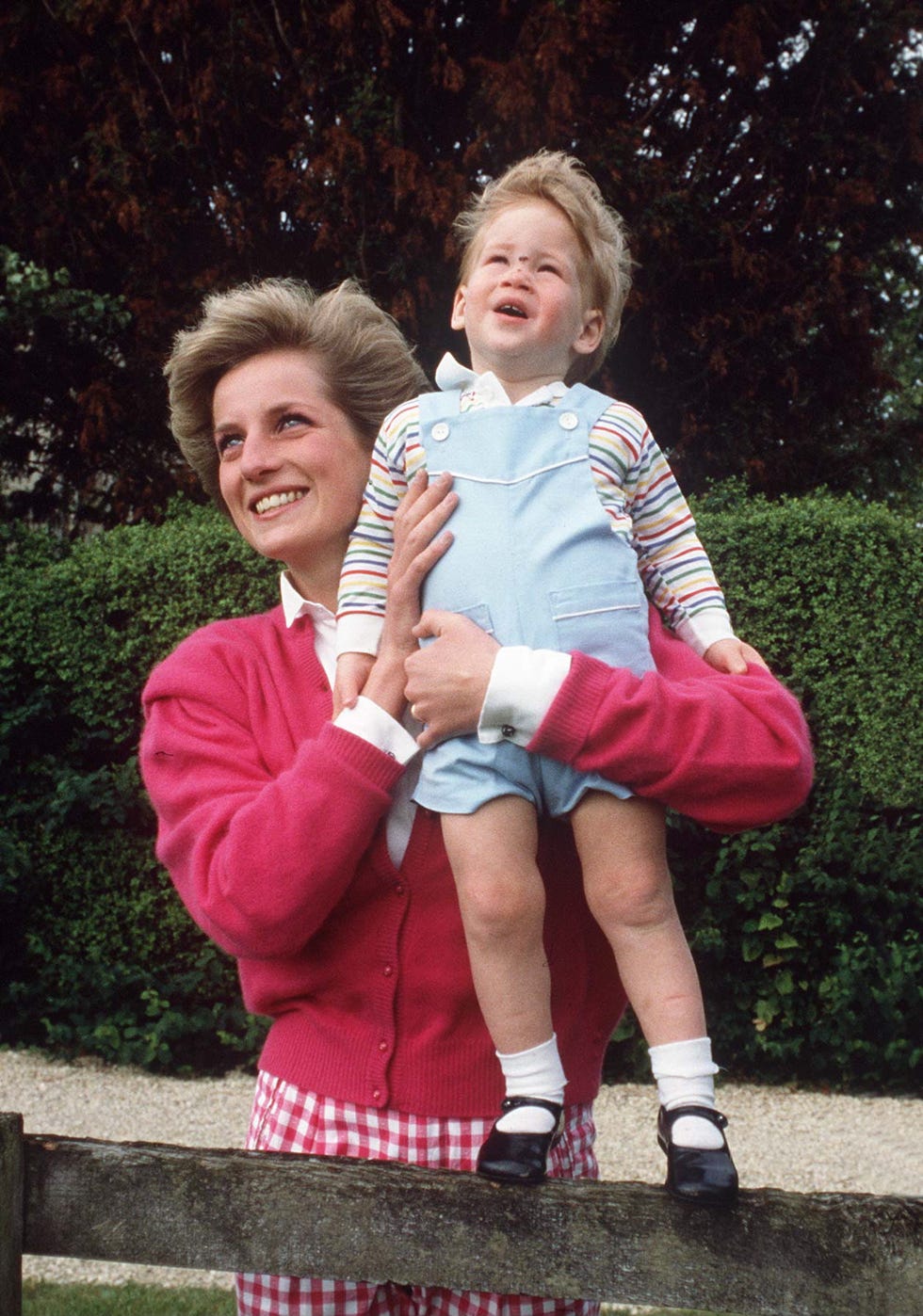
A young Prince Harry and Diana.
Most poignantly, Harry talks about how he sees signs of Diana, particularly in the last six years. “The fleeting moments make so much sense, and it makes me laugh out loud sometimes,” he tells Dr. O’Connor. “It’s like, ‘This is not a coincidence. There is no version of this is anything else but you.’ I feel it as an energy, and also it’s visual, it’s a sign. And it’s very much connected to her. I do find when times are tough, I’m like, ‘Hi, I need some help here, guide me in the right way.’” Every night and “most mornings,” Harry says, he thinks about his mother while looking at a framed photo of her.
The class ends with how Prince Harry found himself in the mission of the Invictus Games, a sporting competition for wounded, injured, and sick military service personnel and veterans. The next edition of the games will take place in Birmingham in summer 2027.


Emily Burack (she/her) is the Deputy Digital Editor for Town & Country, where she covers entertainment, celebrities, the royals, and a wide range of other topics. Before joining T&C, she was the deputy managing editor at Hey Alma, a Jewish culture site. Follow her @emburack on Instagram, Twitter, and other social media platforms.