
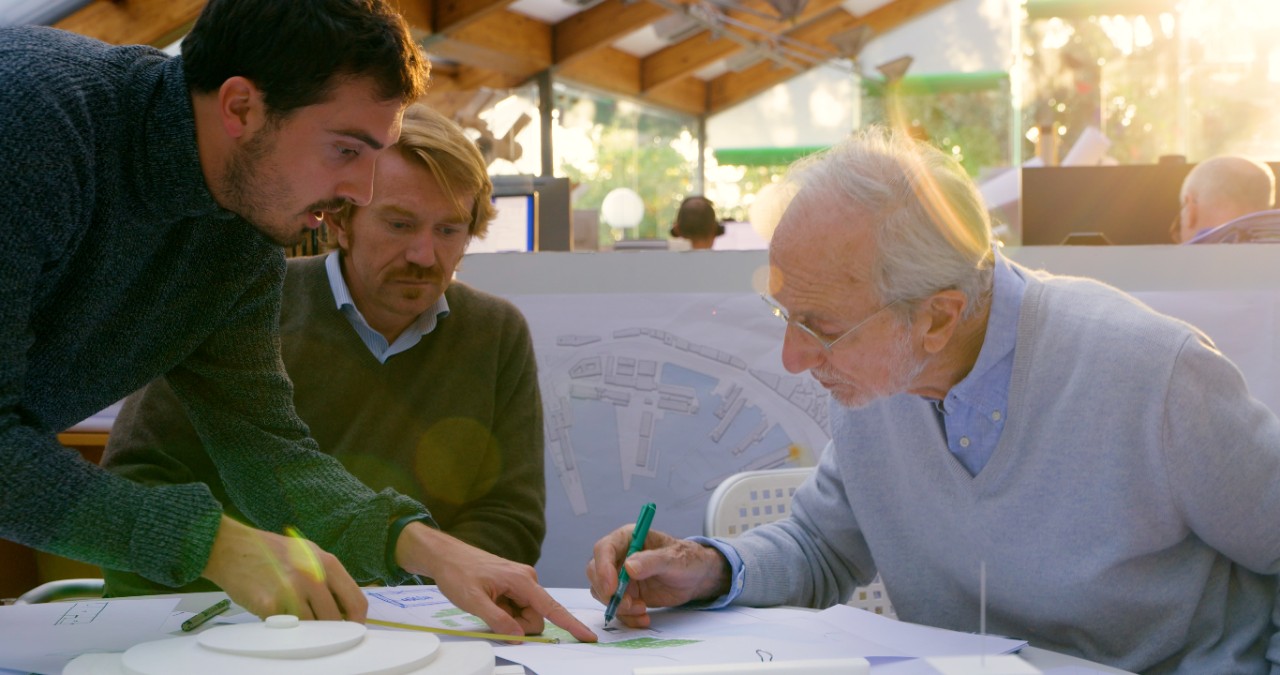
Renzo Piano as seen through the eyes of the people who live in his buildings. Massimiliano Fuksas interviewed by his daughter Elisa, in a conversation spanning an entire lifetime. And then the great Modigliani heads hoax, the illustrated world of Tullio Pericoli, and the art of Lucia Di Luciano. This year at the Rome Film Fest, architecture and art do not merely serve as a backdrop: they take center stage.
“The Rome Film Fest,” Francesca Via, General Director of the Fondazione Cinema per Roma and the Rome Film Fest, tells Domus, “has always been a meeting point for cinema and other art forms. This year, once again, we wanted to dedicate a special space to architecture—an art form that, much like cinema, possesses the power to create spaces, imaginative worlds, and new ways of seeing and experiencing the world.”
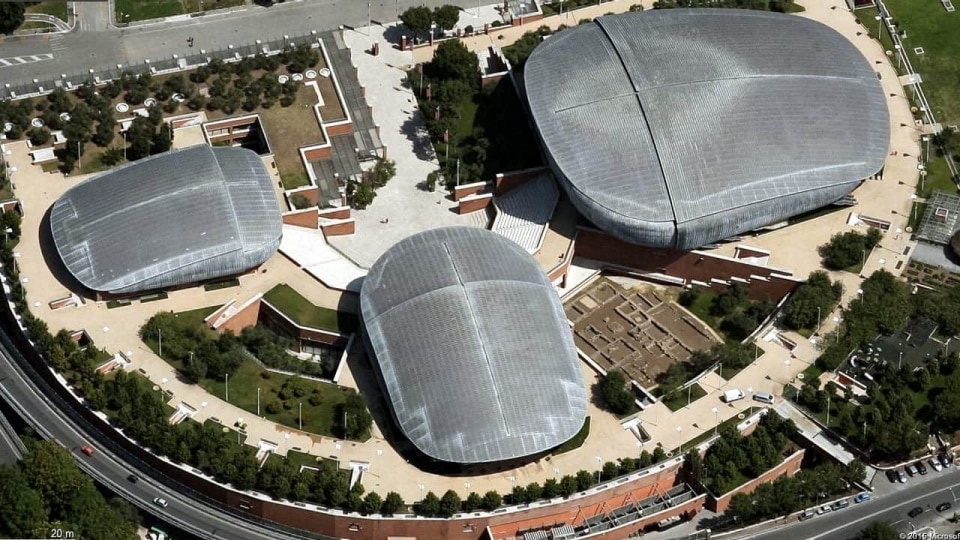
Renzo Piano Building Workshop, Auditorium Parco della Musica, Rome. Courtesy of Auditorium Parco della Musica
It is a relationship—that between cinema and architecture—that the Festival has nurtured since its inception. Its home is the Auditorium Parco della Musica designed by Renzo Piano, one of the masterpieces of contemporary Roman architecture, while its screenings span a network of venues reaching as far as Zaha Hadid ‘s Maxxi. Yet, in this twenty-first edition, the connection also shifts onto the screen itself, featuring five documentaries selected by Domus that tell as many stories of architects and artists.
1. Five Living Buildings (by Renzo Piano), Jonathan Goodman Levitt
This documentary explores architecture as a refuge, through encounters with the people who live in buildings designed by the Renzo Piano Building Workshop, founded in Paris in 1981. By interviewing residents, students, maintenance workers, and artists, the director explores a cultural center in Greece, a children’s hospital in Uganda, the Whitney Museum in New York, an industrial park in China, and the Centre Pompidou in Paris—five major projects bearing Piano’s signature that illustrate his design approach, rooted in a deeply human conception of place.
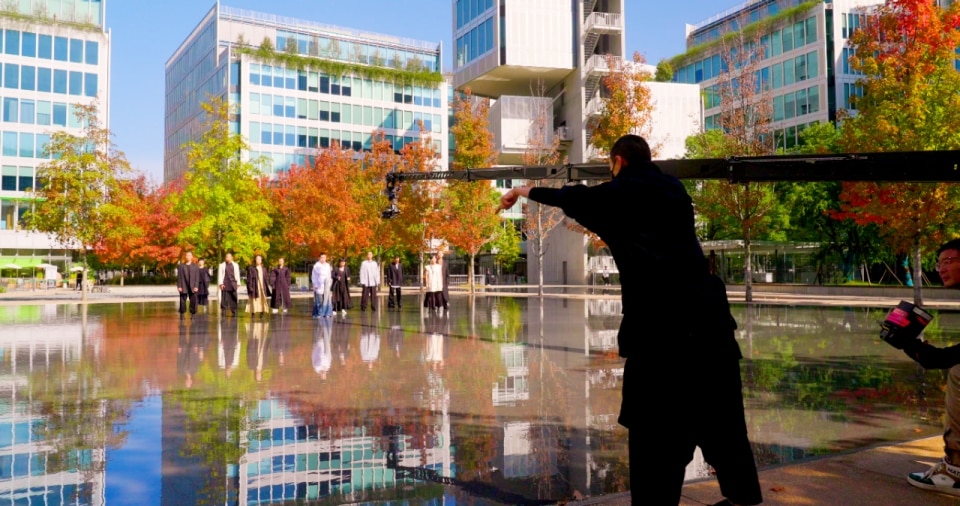
The TAO Dance Theater company is filming a commercial in the pond at the OōEli complex in Hangzhou, China. © Living Buildings
2. Fuksas – A Lifetime, Elisa Fuksas
One of the most controversial figures in Italian architecture, Massimiliano Fuksas co-leads the firm that bears his name alongside his wife, Doriana Mandrelli. With an intimate and personal perspective, his daughter Elisa interviews the architect, retracing the story of his life and career, marked by major achievements and signature buildings around the world. “How many years has it been since we started shooting this film?” the director asks the subject. And he replies, “A lifetime”
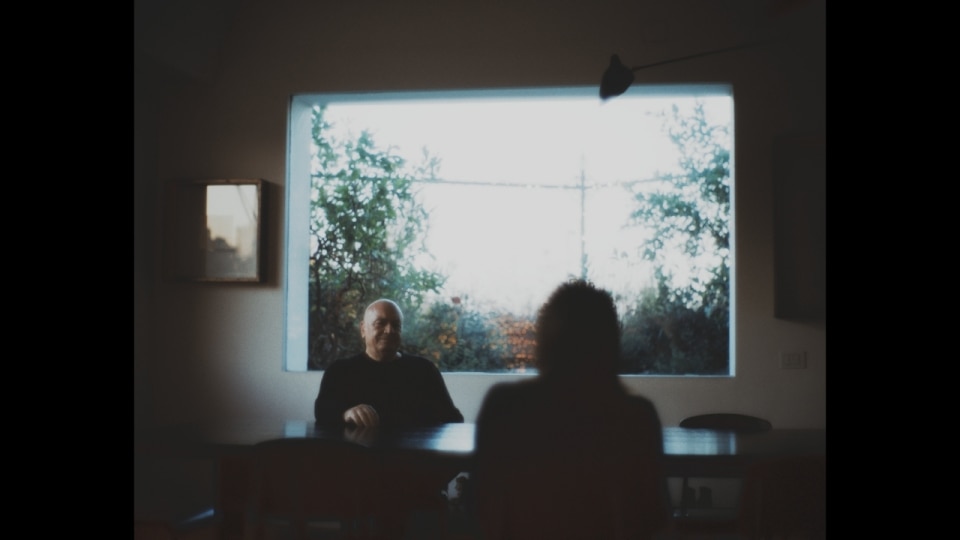
Elisa Fuksas, Fuksas – All My Life, 2026
3. The Modigliani Case, Luca Rea
It tells the story of one of the greatest scams in art history, the “prank of the heads”: When a retrospective was organized in Livorno to mark the 100th anniversary of Modigliani’s birth, it was decided to explore the Fosso Mediceo, where it was said the artist had thrown some sculptures in 1909. Three heads carved in stone were discovered, generating great excitement and critical interest. But they were fakes. The documentary reconstructs the story of this major scandal.
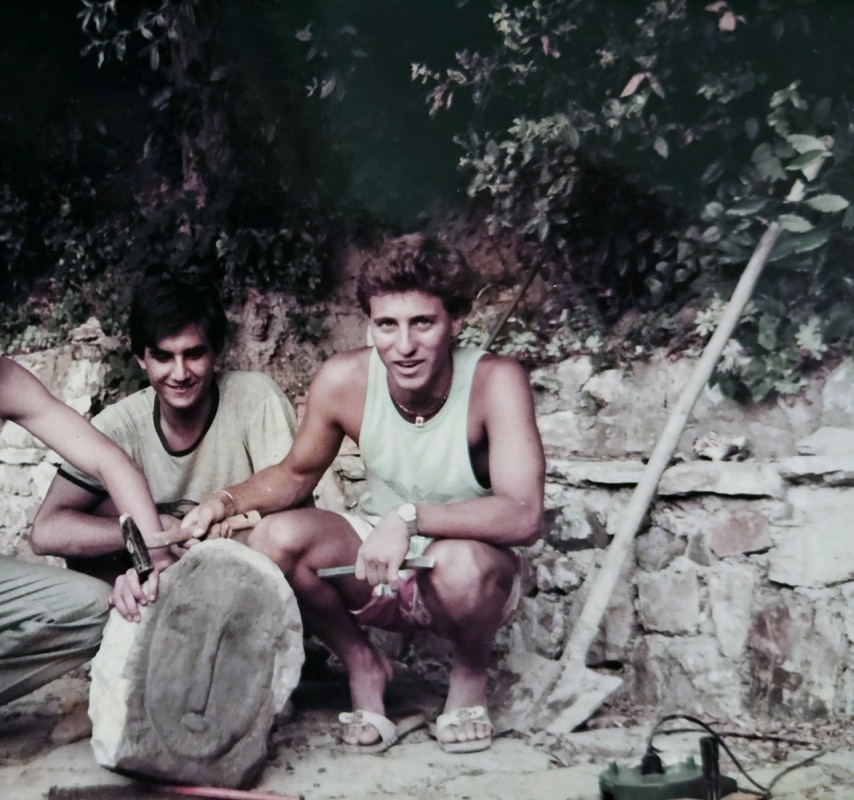
Luca Rea, The Modigliani Case, 2026
4. The Horizon Line, Federico Frascherelli
Dedicated to the tireless stroke with which Tullio Pericoli has been drawing his entire life, this documentary tells the story of the artist who, from his homeland in the Marche region to Milan—where he settled in the 1960s—has drawn line after line, covering surfaces with a deeply recognizable style. His art has long served the publishing world as well, with illustrations for books and newspapers. The film is an intimate autobiographical account that the protagonist—who rarely allowed himself to be filmed—granted to the director.
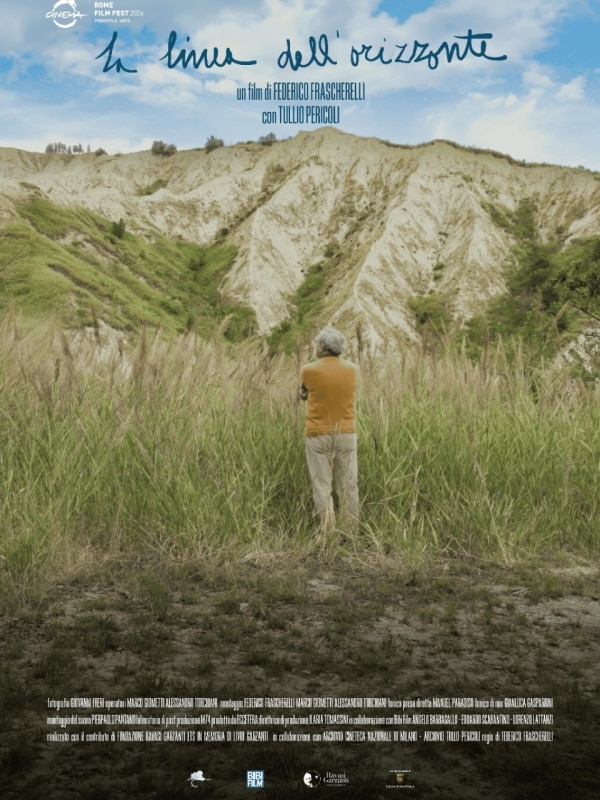
Federico Frascherelli, The Horizon Line, 2026
5. Lucia Di Luciano, Fabio Cherstich
Following the artist’s passing last January, this work represents the most significant and comprehensive body of work by painter Lucia Di Luciano, a key figure in the Italian artistic movement known as Arte Programmata and, together with her husband Giovanni Pizzo, co-founder first of Gruppo 63 and later of the Operativo R group. The MAXXI in Rome will dedicate an exhibition to her works in 2027.
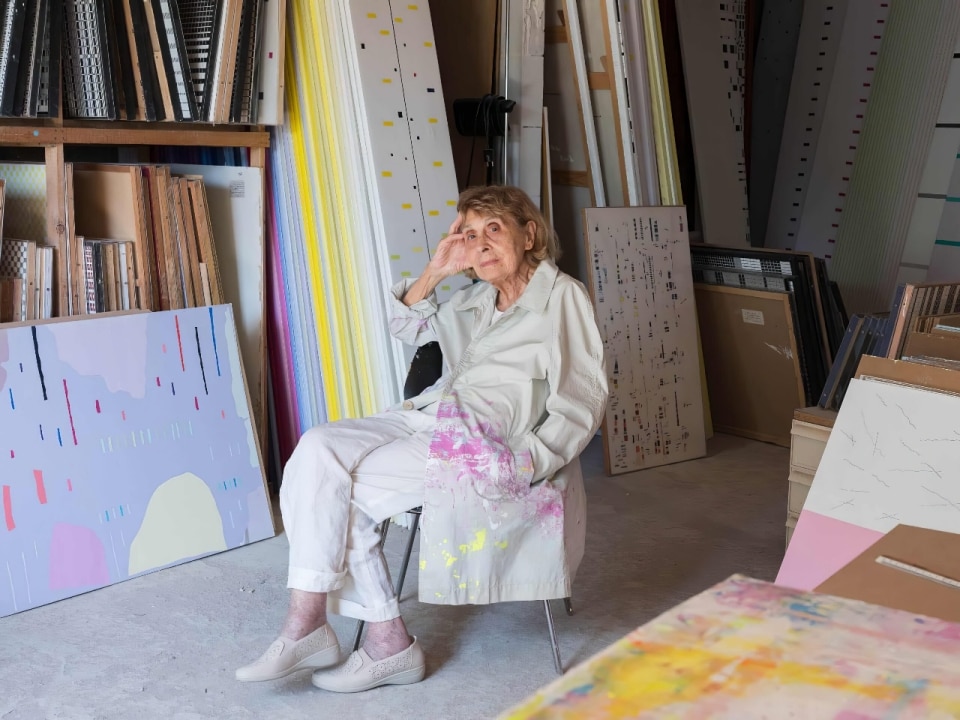
Fabio Cherstich, Lucia Di Luciano, 2026