
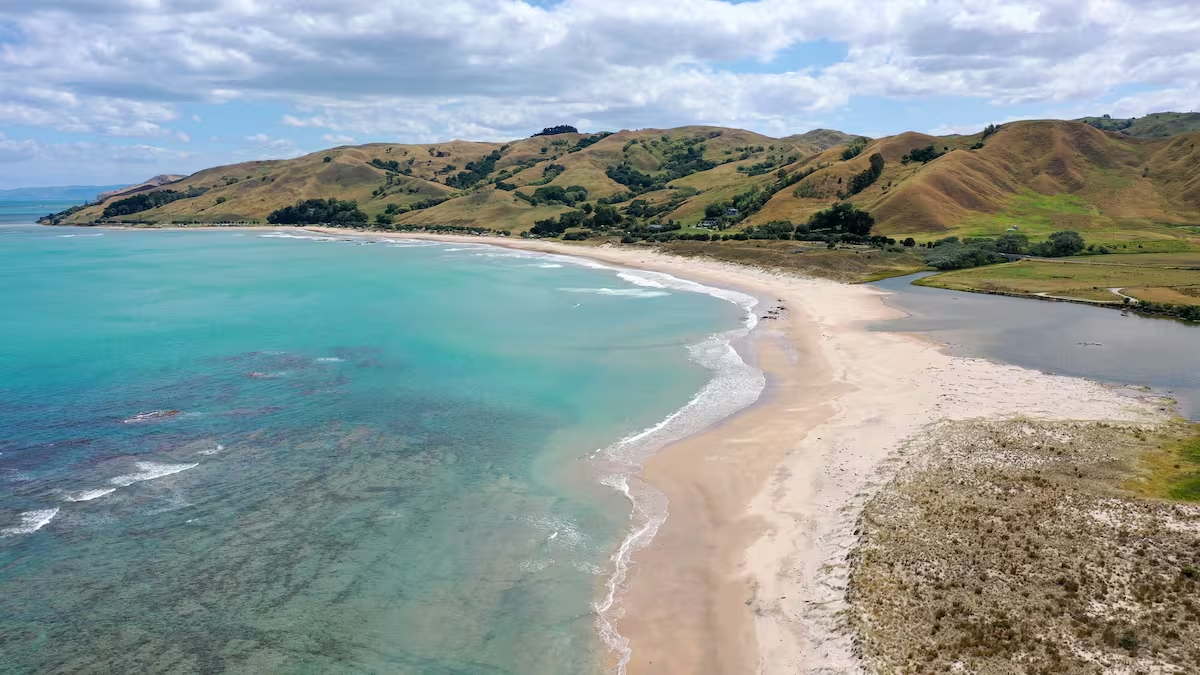
“This is our opportunity to look back, to listen, to learn and to decide what we want to leave for those who come after us. For our moana. For our whānau. For our mokopuna.”
For Ngāti Konohi, the area was more than a reserve; it represented whakapapa, identity, history and knowledge passed down through generations.
“The moana and the coastal environment are woven into our stories that are passed down, our practices that we have inside of our hapū, inside of our whānau, and mātauranga passed down through our generations.”
Edwards said protecting the marine environment was an expression of kaitiakitanga (guardianship) – to leave it in a healthier state for future generations.
“It provides a place where the relationship between people and the moana can be nurtured and understood while also demonstrating that cultural values and environmental protection can work together.”
This is our opportunity to look back, to listen, to learn and to decide what we want to leave for those who come after us.
Te Tapuwae o Rongokako Marine Reserve chairwoman Mahora Edwards
Edwards said during her 16 years on the reserve committee she had seen the relationship between Ngāti Konohi, Te Papa Atawhai (DoC) and the wider community strengthen.
Greater awareness, education and shared decision-making had helped build a commitment to the reserve’s future.
A stronger understanding of mātauranga Māori (traditional knowledge) and the kaitiaki responsibilities of tangata whenua had also laid the foundation for mahi tahi (working together).
The partnership had extended beyond that over time, she said.
“We see iwi, government agencies, scientists, educators, community members, local stakeholders come together around a shared vision for the moana, and it’s been really rewarding.”
Edwards said a highlight was a wānanga held at the reserve in 2015, which brought together almost 200 members of her whānau, including rangatahi and relatives from overseas.
“The education on the marine reserve, the biodiversity, just looking around, enjoying it, the whanaungatanga [connection] – it was a hit.”
Public feedback would help ensure the reserve’s future management reflected ecological and cultural priorities, she said.
Hearing from a wide range of people was important.
“Understanding what people value, what they have learned and what aspirations they have for the future helps ensure that management of the reserve continues to reflect both ecological and cultural, really important priorities.”
DoC operations manager Tairāwhiti Matt Tong said the partnership with Ngāti Konohi was a defining feature of the reserve.
It was a special place for many people and an important tool for ecological protection.
“We’re lucky to have some of the most beautiful coastline in the world, so having a reserve which adds that extra element of marine conservation and accessible and safe diving to the community really adds to that.”
Research papers and monitoring data showed tohu (indicator species), including crayfish, were thriving within the reserve and helping boost populations in the wider area, Tong said.
It also offered opportunities for environmental education, including an education day delivered by He Awa Ora, He Tai Ora Trust with support from Ngāti Konohi and DoC.
“We had incredible weather and a huge turnout of whānau from around the district. And the looks on the kids’ faces as they came out of the water and debriefed with their mates and their whānau over some kai afterwards was just absolutely priceless.”
Feedback had been positive so far, with suggestions including better communication about operational and monitoring activities within the reserve.
A report and recommendations based on feedback will be co-authored with Ngāti Konohi and are expected to be released early next year.
LDR is local body journalism co-funded by RNZ and NZ On Air.