

Ministers should raise employee and employer pension contributions, with a recommendation of a minimum level of 12 per cent under serious consideration by the second Pensions Commission, The i Paper understands.
Pensions commissioner Baroness Jeannie Drake said the “solution” to Britain’s pension crisis is “more saving” and that it is “clear the best route to delivering this” is through the automatic enrolment contribution rate.
She said the commission is “still working” on how to support lower earners and those in “relatively stressful circumstances” – including private renters – after the Government recently asked it to “look at lower income people”.
Shorts
Scroll to previous short
Scroll to next short

Man dies and two missing from fishing vessel off Scotland
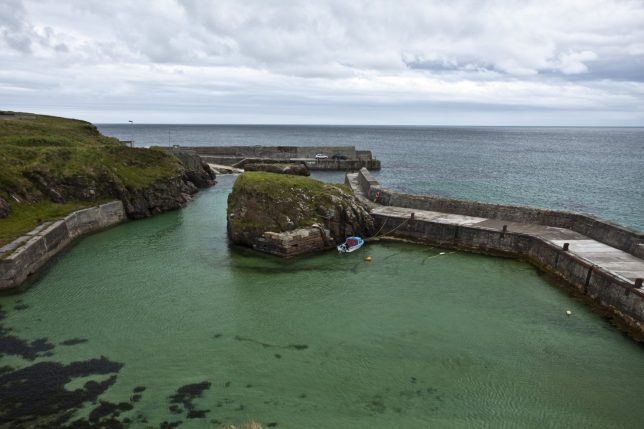
A man’s body has been recovered, with two others still unaccounted for, after a fishing vessel went missing off the Outer Hebrides.
 Photographer: BaMa
Provider: Getty Images
Source: Photographer’s Choice RF
Everything we know so far
HM Coastguard have said they were made aware of the missing ship, which was sailing off Port Ness on the Isle of Lewis, at around 9.20pm on Tuesday.
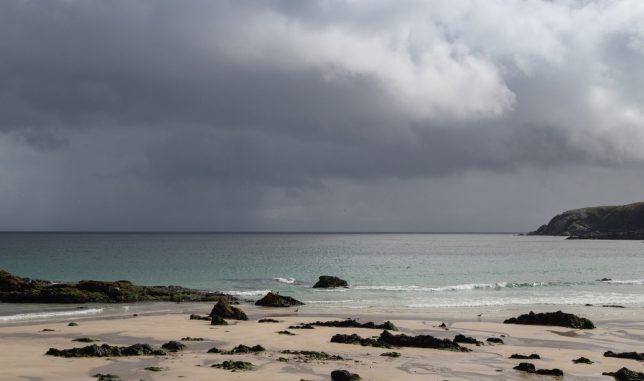 Caption: Landscape taken in Lewis with storm clouds and rain clouds in the sky. Beach in foreground
Photographer: Lynda Morris Photography
Provider: Getty Images
Source: Moment RF
Police Scotland were notified at about 11.35pm. The force said three men were aboard.
The body of one man has been recovered. The man’s family have been made aware and are being supported by officers.
Search under way
A Coastguard aeroplane, two helicopters, six rescue teams, two RNLI lifeboats, a local vessel and Police Scotland are involved in the search, which is being carried out amid a yellow weather warning for high winds in the region.
3 min read
7 min read
Pope Leo diagnosed with lung cancer after surgery
Pope Leo XIV has been diagnosed with cancer following a “successful” operation to remove the lower lobe of his right lung, the Vatican has announced.
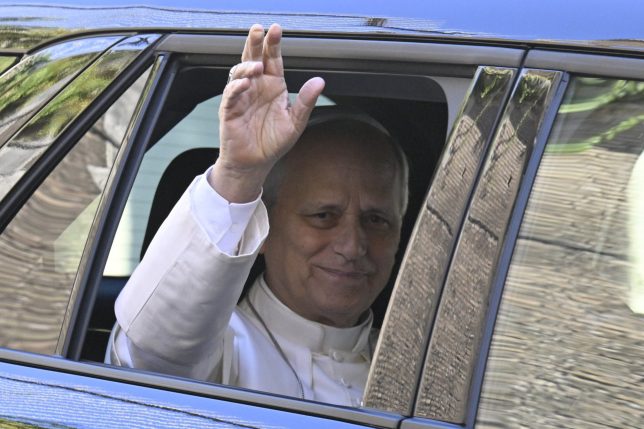 Caption: Pope Leo XIV waves from the window of the car as he leaves the Vatican before being admitted to Rome’s Gemelli University Hospital for an operation to remove a lump from his lung, in the Vatican on 13 October 2026. (Photo by Tiziana FABI / AFP via Getty Images)
Photographer: TIZIANA FABI
Provider: AFP via Getty Images
Source: AFP
Copyright: AFP or licensors
A common type of lung cancer
Doctors confirmed the diagnosis of lung adenocarcinoma, a common type of lung cancer, after pre-planned surgery at Rome’s Gemelli Hospital. Dr Luigi Carbone and Professor Stefano Margaritora said cancer had been suspected by pre-operative tests.
Big Read
7 min read
4 min read
What else do we know?
The surgery lasted around 90 minutes and had no complications.
Pope Leo had a “peaceful night” in hospital, where he is expected to remain for about a week.
The 71-year-old pontiff cancelled all public events until 20 October to give him time to recover.
Hope for quick recovery
The Vatican did not give more details of the operation, but Margaritora is an expert in robotic surgical techniques and Video-Assisted Thoracic Surgery (Vats).
Using small incisions by endoscopic instruments equipped with a high-definition camera, Vats reduces surgical trauma and can result in faster recovery.
Big Read
7 min read
Reactions from religious leaders and supporters
Archbishop Richard Moth, leader of the Catholics in England and Wales, said: “I have sent a message on behalf of all in the Catholic Church in England and Wales, assuring him [the Pope] of our prayers.”
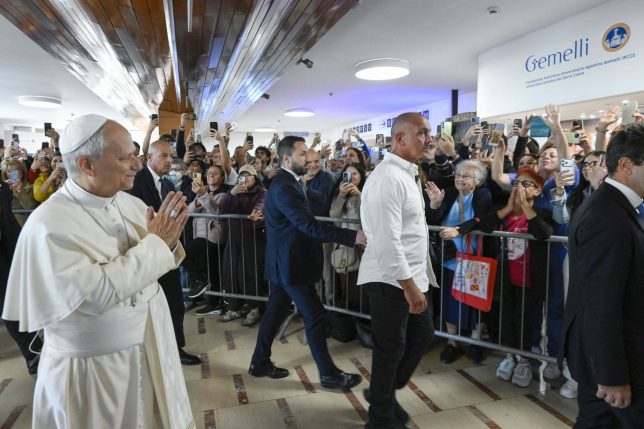 Caption: ROME, ITALY – OCTOBER 13: (EDITOR’S NOTE: STRICTLY EDITORIAL USE ONLY – NO MERCHANDISING). Pope Leo XIV greets faithful as he arrives at Gemelli Hospital on October 13, 2026 in Rome, Italy. Pope Leo XIV is set to undergo surgery to remove a localized nodule in his lung, after it was discovered during a medical examination. He is expected to stay in hospital for approximately one week following the procedure. (Photo by Simone Risoluti – Vatican Media via Vatican Pool/Getty Images)
Photographer: Vatican Pool
Provider: Getty Images
Source: Getty Images Europe
Copyright: 2026 Vatican Pool
Large crowds gathered outside the hospital to wait for the Pope before his surgery. One well-wisher, Carla, told the BBC she was “taken aback” by the news, adding: “It turns out he’s vulnerable too.”
 Caption: EMBARGOED TO 0001 WEDNESDAY OCTOBER 14
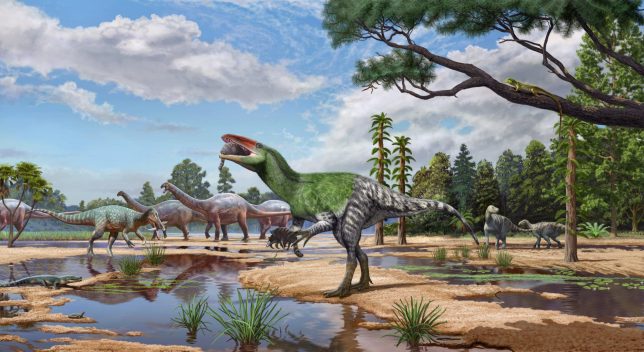
Undated handout artist impression issued by University College London (UCL) of theropod dinosaur, Invictibellatrix amberina. A new species of dinosaur has been discovered from a fossil found on the Isle of Wight which has been “overlooked” for study for more than a century, researchers said. The dinosaur, a long-clawed predator the size of a large tiger is the first of a group of two-legged carnivores called megaraptorans to be found in Europe, according to the research team led by University College London (UCL). It has been named Invictibellatrix amberina, with the former meaning “unconquered female warrior”. Issue date: Wednesday October 14, 2026. PA Photo. Photo credit should read: Sergey Krasovskiy and Pedro Salas/PA Wire
NOTE TO EDITORS: This handout photo may only be used for editorial reporting purposes for the contemporaneous illustration of events, things or the people in the image or facts mentioned in the caption. Reuse of the picture may require further permission from the copyright holder.
Photographer: Sergey Krasovskiy and Pedro Salas
Provider: Sergey Krasovskiy and Pedro Salas/PA Wire
Source: PA
New dinosaur species discovered from ‘overlooked’ fossil
A new species of dinosaur has been identified from an “overlooked” fossil which was found on the Isle of Wight more than 100 years ago, researchers have said.
The history of the fossil
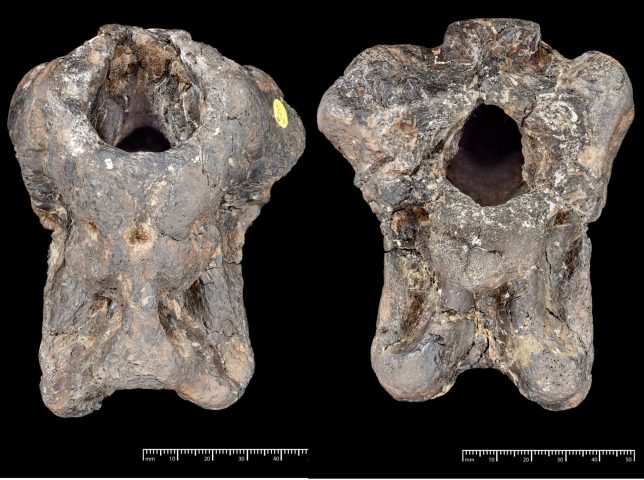
The fossil, which was a piece of the back of a skull, was originally found at the foot of a cliff on the south-west coast of the Isle of Wight by amateur palaeontologist Reginald Walter Tooley. It was procured by the Natural History Museum in 1924.
 Caption: EMBARGOED TO 0001 WEDNESDAY OCTOBER 14
Undated handout photo of the newly identified theropod dinosaur, Invictibellatrix amberina. The oval hole is where the brain would have been. The fossil was acquired by the Natural History Museum in 1924. A new species of dinosaur has been discovered from a fossil found on the Isle of Wight which has been “overlooked” for study for more than a century, researchers said. The dinosaur, a long-clawed predator the size of a large tiger is the first of a group of two-legged carnivores called megaraptorans to be found in Europe, according to the research team led by University College London (UCL). It has been named Invictibellatrix amberina, with the former meaning “unconquered female warrior”. Issue date: Wednesday October 14, 2026. PA Photo. Photo credit should read: The Trustees of the Natural History Museum, London/PA Wire
NOTE TO EDITORS: This handout photo may only be used for editorial reporting purposes for the contemporaneous illustration of events, things or the people in the image or facts mentioned in the caption. Reuse of the picture may require further permission from the copyright holder.
Photographer: The Trustees of the Natural History Museum, London
Provider: The Trustees of the Natural History Museum, London/PA Wire
Source: PA
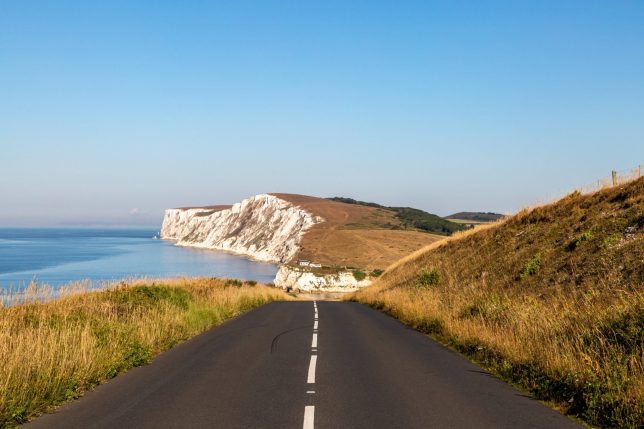 The Military Road approaching Freshwater Bay (Photo: Lemanieh/Getty)
Dr Cassius Morrison of University College London said it was a “real mystery” why the fossil had been overlooked.
A megaraptoran
The new dinosaur, named Invictibellatrix amberina (with the former meaning “unconquered female warrior”), has long claws and is about the size of a large tiger.
It is part of a group of agile, two-legged carnivores called megaraptorans. These were closely related to tyrannosaurus but had more slender heads and used their claws to attack prey rather than their jaws.

Explained
2 min read
4 min read
A mysterious species
Megaraptors are seen as the most mysterious of the large carnivorous dinosaurs, with few fossils found.
Until this discovery, no megaraptorans had been found in Europe.
Researchers suggest invictibellatrix would have been three to four meters long and just over a metre and a half tall.
They also speculate it would likely have had feathers and 10-20cm long claws.
Its diet is thought to have consisted of small dinosaurs, lizards and mammals.
Rules, London’s oldest restaurant, given to National Trust
The home of Rules, London’s oldest restaurant which has been there since 1798, has been donated to the National Trust.
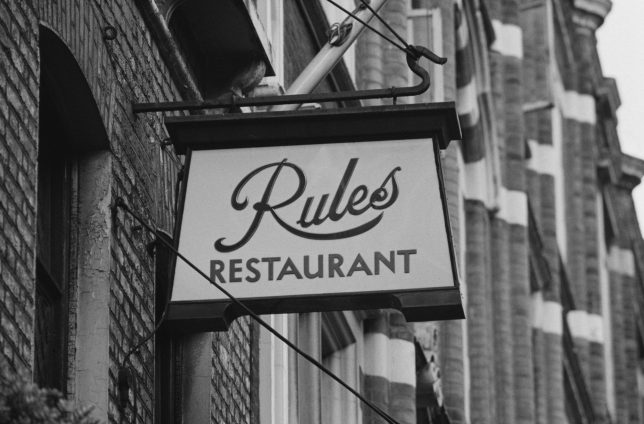 Caption: The sign outside Rules Restaurant in Covent Garden, London, UK, 3rd September 1984. (Photo by Graham Morris/Daily Express/Hulton Archive/Getty Images)
Photographer: Graham Morris
Provider: Getty Images
Source: Hulton Archive
National Trust ownership
The charity said the donation of the £11m site by J-P Mayhew, its owner of 40 years, would secure the future of a building where “kings dined and writers and politicians plotted”.
The freehold acquisition included visitor books, menus, caricatures, photographs, stained glass and signs. Annual rent from the restaurant business will also go into conservation work.
Exclusive
4 min read
Newsletter (£)
5 min read
Famous diners
Rules is no stranger to celebrity, having welcomed figures from Charles Dickens and Edward VII – who would rendezvous with his mistresses there – to David Bowie and Madonna over the past two centuries.
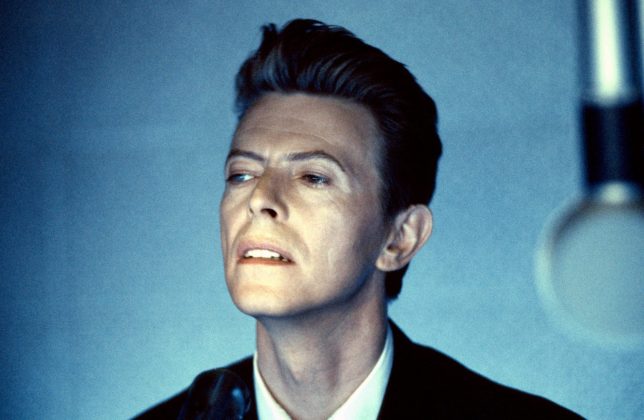 Caption: English singer David Bowie (1947 – 2016) performs on the set of his music video “Jump They Say” in Los Angeles, California, March 1993. (Photo by Lester Cohen/Getty Images)
Photographer: Lester Cohen
Provider: Getty Images
Source: Archive Photos
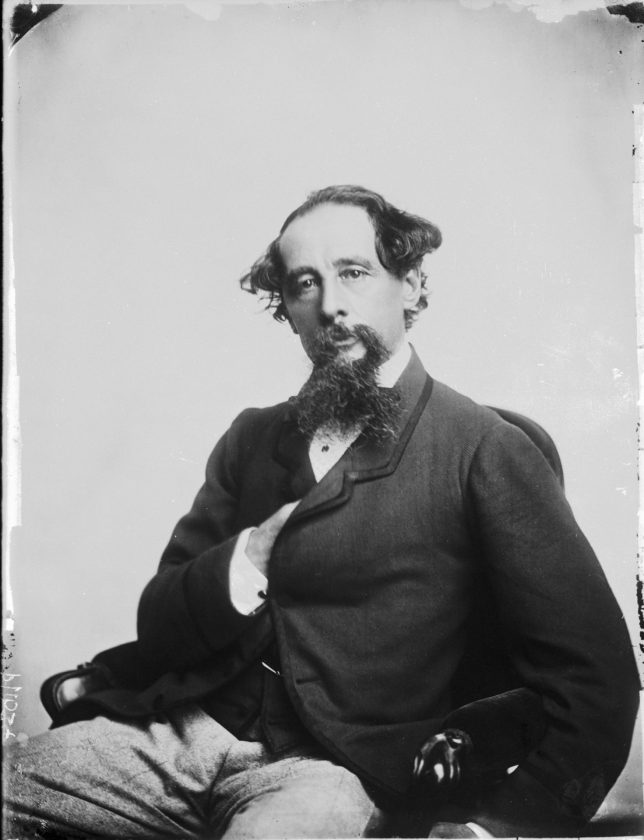 Caption: English novelist Charles Dickens (1812 – 1870), circa 1860. (Photo by Rischgitz/Hulton Archive/Getty Images)
Photographer: Rischgitz
Provider: Getty Images
Source: Hulton Archive
Copyright: 2012 Getty Images
The restaurant, located at 34-35 Maiden Lane in Covent Garden, central London, has outlasted empires and overcome challenges including the Blitz during the Second World War as well as plans for a dual carriageway.
A long future ahead
This place is an outstanding piece of living history… it has defied the odds to be standing here today, doors still open and treacle sponge still on the menu. Mr Mayhew’s extraordinary generosity, and the care he has poured into Rules over many decades, mean this beloved place has a future measured not in years but generations.
Hilary McGrady, director-general of the National Trust
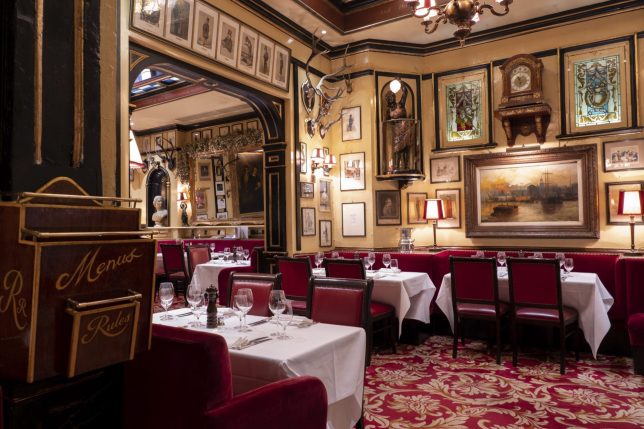 Caption: Rules restaurant on the 14th October 2019 in London in the United Kingdom. Rules was established in 1798. (photo by Sam Mellish / In Pictures via Getty Images)
Photographer: Sam Mellish
Provider: In Pictures via Getty Images
Source: In Pictures
Copyright: Sam Mellish
news
‘Heartbreaking’ shot wins Wildlife Photographer of the Year
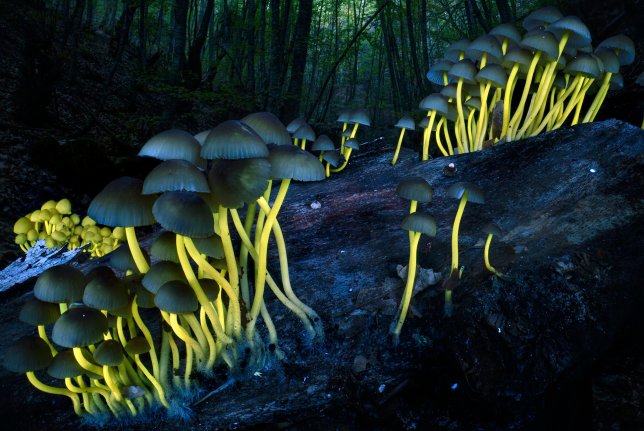 Caption: EMBARGOED TO 2330 TUESDAY OCTOBER 13 PRINT USE ONLY. NO SALES, NO ARCHIVE, NO CROPPING. CAN ONLY BE USED IN CONNECTION WITH THE NATURAL HISTORY MUSEUM’S WILDLIFE PHOTOGRAPHER OF THE YEAR COMPETITION 2026 MANDATORY CREDIT: Agorastos Papatsanis/Wildlife Photographer of the Year Copyright in this image is retained by the photographer. THE FOLLOWING MUST APPEAR CLEARLY AND LEGIBLY IN EDITORIAL COPY: Wildlife Photographer of the Year is developed and produced by the Natural History Museum, London. USAGE RESTRICTIONS: Maximum number of images within a publication or website is up to 20 (twenty) images across multiple editions and pages unless otherwise agreed in writing between the publication and the Natural History Museum. All front cover requests must be approved by the Natural History Museum and the photographer.
Undated handout photo issued by Natural History Museum of fluorescent fungi, by Agorastos Papatsanis, from Greece, the winner of Plants and Fungi category in Wildlife Photographer of the Year. Issue date: Tuesday October 13, 2026. PA Photo. Photo credit should read: Agorastos Papatsanis/PA Wire
NOTE TO EDITORS: This handout photo may only be used for editorial reporting purposes for the contemporaneous illustration of events, things or the people in the image or facts mentioned in the caption. Reuse of the picture may require further permission from the copyright holder.
Photographer: Agorastos Papatsanis
Provider: Agorastos Papatsanis/PA Wire
Source: PA
The winner has been crowned for the Natural History Museum’s annual Wildlife Photographer of the Year competition, ahead of an exhibition of the photos opening to the public later in the week.
Winner ‘says it all’
The title went to Federico Veronesi, from Italy, for his image, “The Aftermath”, showing an elephant lifting the body of her dead calf. The chair of the judging panel described it as an emotional “gut punch” and “heartbreakingly poignant”.
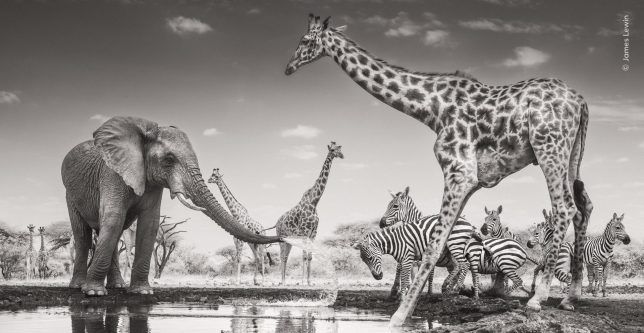 Caption: EMBARGOED TO 2330 TUESDAY OCTOBER 13 ONLINE USE ONLY. NO SALES, NO ARCHIVE, NO CROPPING. CAN ONLY BE USED IN CONNECTION WITH THE NATURAL HISTORY MUSEUM’S WILDLIFE PHOTOGRAPHER OF THE YEAR COMPETITION 2026 MANDATORY CREDIT: James Lewin/Wildlife Photographer of the Year Copyright in this image is retained by the photographer. THE FOLLOWING MUST APPEAR CLEARLY AND LEGIBLY IN EDITORIAL COPY: Wildlife Photographer of the Year is developed and produced by the Natural History Museum, London. USAGE RESTRICTIONS: Maximum number of images within a publication or website is up to 20 (twenty) images across multiple editions and pages unless otherwise agreed in writing between the publication and the Natural History Museum. All front cover requests must be approved by the Natural History Museum and the photographer.
Undated handout photo issued by Natural History Museum of a young bull elephant spraying a group of zebra at a waterhole in Kenya, by James Lewin, from United Kingdom, the winner of Animals in their Environment category in Wildlife Photographer of the Year. Issue date: Tuesday October 13, 2026. PA Photo. Photo credit should read: James Lewin/PA Wire
NOTE TO EDITORS: This handout photo may only be used for editorial reporting purposes for the contemporaneous illustration of events, things or the people in the image or facts mentioned in the caption. Reuse of the picture may require further permission from the copyright holder.
Photographer: James Lewin
Provider: James Lewin/PA Wire
Source: PA
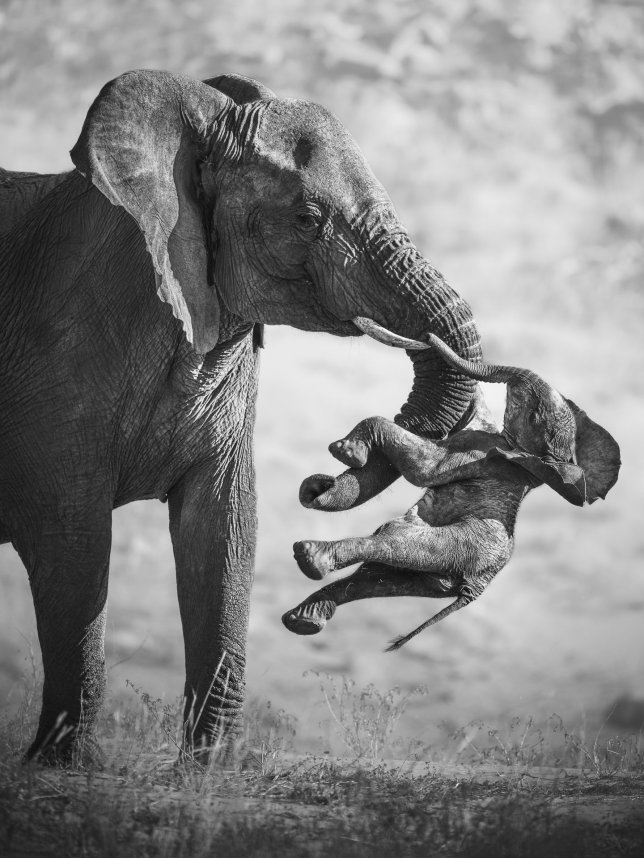 Caption: EMBARGOED TO 2330 TUESDAY OCTOBER 13 PRINT USE ONLY. NO SALES, NO ARCHIVE, NO CROPPING. CAN ONLY BE USED IN CONNECTION WITH THE NATURAL HISTORY MUSEUM’S WILDLIFE PHOTOGRAPHER OF THE YEAR COMPETITION 2026 MANDATORY CREDIT: Federico Veronesi/Wildlife Photographer of the Year Copyright in this image is retained by the photographer. THE FOLLOWING MUST APPEAR CLEARLY AND LEGIBLY IN EDITORIAL COPY: Wildlife Photographer of the Year is developed and produced by the Natural History Museum, London. USAGE RESTRICTIONS: Maximum number of images within a publication or website is up to 20 (twenty) images across multiple editions and pages unless otherwise agreed in writing between the publication and the Natural History Museum. All front cover requests must be approved by the Natural History Museum and the photographer.
Undated handout photo issued by Natural History Museum of a female elephant carrying a dead calf in Huab River Valley in Namibia, by Federico Veronesi, from Italy, the winner of Wildlife Photographer of the Year. Issue date: Tuesday October 13, 2026. PA Photo. Photo credit should read: Federico Veronesi/PA Wire
NOTE TO EDITORS: This handout photo may only be used for editorial reporting purposes for the contemporaneous illustration of events, things or the people in the image or facts mentioned in the caption. Reuse of the picture may require further permission from the copyright holder.
Photographer: Federico Veronesi
Provider: Federico Veronesi/PA Wire
Source: PA
An elephant-themed image also triumphed in the ‘Animals in their Environment’ category with James Lewin’s shot, one of five British photographers to win a category.
Telling animals’ stories
The winning entry from Young Wildlife Photographer of the Year featured a dung beetle pushing its cargo, which judges praised for revealing “an entire story”.
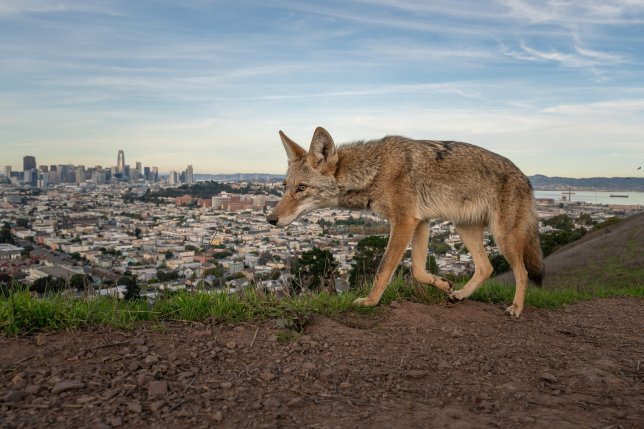
Loren Elliott from the USA won the Photojournalist Story award with a shot of a coyote walking above the Bay of San Francisco.
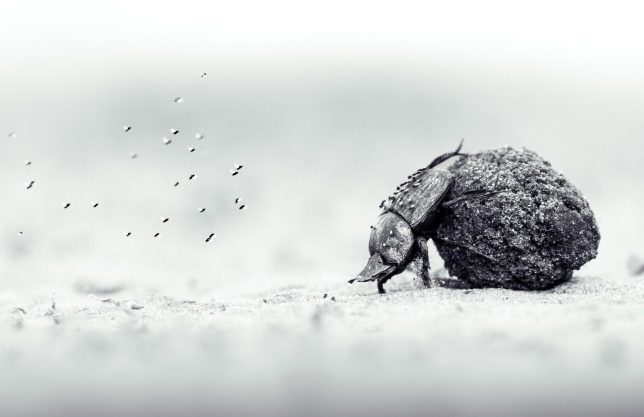 Caption: EMBARGOED TO 2330 TUESDAY OCTOBER 13 PRINT USE ONLY. NO SALES, NO ARCHIVE, NO CROPPING. CAN ONLY BE USED IN CONNECTION WITH THE NATURAL HISTORY MUSEUM’S WILDLIFE PHOTOGRAPHER OF THE YEAR COMPETITION 2026 MANDATORY CREDIT: Oscar Whitfield/Wildlife Photographer of the Year Copyright in this image is retained by the photographer. THE FOLLOWING MUST APPEAR CLEARLY AND LEGIBLY IN EDITORIAL COPY: Wildlife Photographer of the Year is developed and produced by the Natural History Museum, London. USAGE RESTRICTIONS: Maximum number of images within a publication or website is up to 20 (twenty) images across multiple editions and pages unless otherwise agreed in writing between the publication and the Natural History Museum. All front cover requests must be approved by the Natural History Museum and the photographer.
Undated handout photo issued by Natural History Museum of a dung beetle pushing a ball of dung, by Oscar Whitfield, from United Kingdom but living in Zimbabwe, the winner of Young Wildlife Photographer of the Year. Issue date: Tuesday October 13, 2026. PA Photo. Photo credit should read: Oscar Whitfield/PA Wire
NOTE TO EDITORS: This handout photo may only be used for editorial reporting purposes for the contemporaneous illustration of events, things or the people in the image or facts mentioned in the caption. Reuse of the picture may require further permission from the copyright holder.
Photographer: Oscar Whitfield
Provider: Oscar Whitfield/PA Wire
Source: PA
 Caption: RETRANSMITTING AMENDING CAPTION CORRECT CAPTION BELOW
EMBARGOED TO 2330 TUESDAY OCTOBER 13 PRINT USE ONLY. NO SALES, NO ARCHIVE, NO CROPPING. CAN ONLY BE USED IN CONNECTION WITH THE NATURAL HISTORY MUSEUM’S WILDLIFE PHOTOGRAPHER OF THE YEAR COMPETITION 2026 MANDATORY CREDIT: Loren Elliott/Wildlife Photographer of the Year Copyright in this image is retained by the photographer. THE FOLLOWING MUST APPEAR CLEARLY AND LEGIBLY IN EDITORIAL COPY: Wildlife Photographer of the Year is developed and produced by the Natural History Museum, London. USAGE RESTRICTIONS: Maximum number of images within a publication or website is up to 20 (twenty) images across multiple editions and pages unless otherwise agreed in writing between the publication and the Natural History Museum. All front cover requests must be approved by the Natural History Museum and the photographer.
Undated handout photo issued by Natural History Museum of A coyote pads along a trail in Bernal Heights Park, overlooking the city and bay of San Francisco by Loren Elliott, USA, the Winner, Photojournalist Story Award in the Wildlife Photographer of the Year. Issue date: Tuesday October 13, 2026. PA Photo. Photo credit should read: Loren Elliott /PA Wire
NOTE TO EDITORS: This handout photo may only be used for editorial reporting purposes for the contemporaneous illustration of events, things or the people in the image or facts mentioned in the caption. Reuse of the picture may require further permission from the copyright holder.
Photographer: Loren Elliott
Provider: Loren Elliott /PA Wire
Source: PA
news
Families forced to spend thousands on travel for sick kids
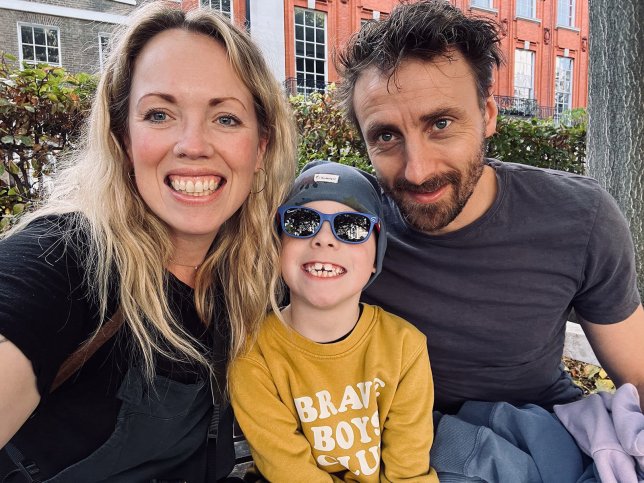 Caption: EMBARGOED TO 0001 WEDNESDAY OCTOBER 14
Undated GOSH Charity handout photo of Woody Grimwade (centre) with his mother Laurie and father Dave. Woody was diagnosed with a rare auto-immune disease in 2021. Families with seriously ill children should be supported with their travel expenses, leading experts have warned as one family revealed they had spent in excess of ??12,000 taking their son to appointments. Provisions are already in place to help families of children with cancer get to and from vital appointments. But experts from the Great Ormond Street Hospital (Gosh) Charity said that this scheme should be extended so families of children diagnosed with a serious illness can also receive assistance. Issue date: Wednesday October 14, 2026. PA Photo. Photo credit should read: Laurie B/PA Wire
NOTE TO EDITORS: This handout photo may only be used in for editorial reporting purposes for the contemporaneous illustration of events, things or the people in the image or facts mentioned in the caption. Reuse of the picture may require further permission from the copyright holder.
Photographer: Laurie B
Provider: Laurie B/PA Wire
Source: PA
Children’s health specialists have recommended extra funding to help families get to hospitals for treatment, after one family spent £12,000 travelling to Great Ormond Street Hospital.
Travel costs burden families
Experts from the hospital, which sees around 81,500 children and young people a year, are calling for funding to cover travel costs for all children with serious illnesses.
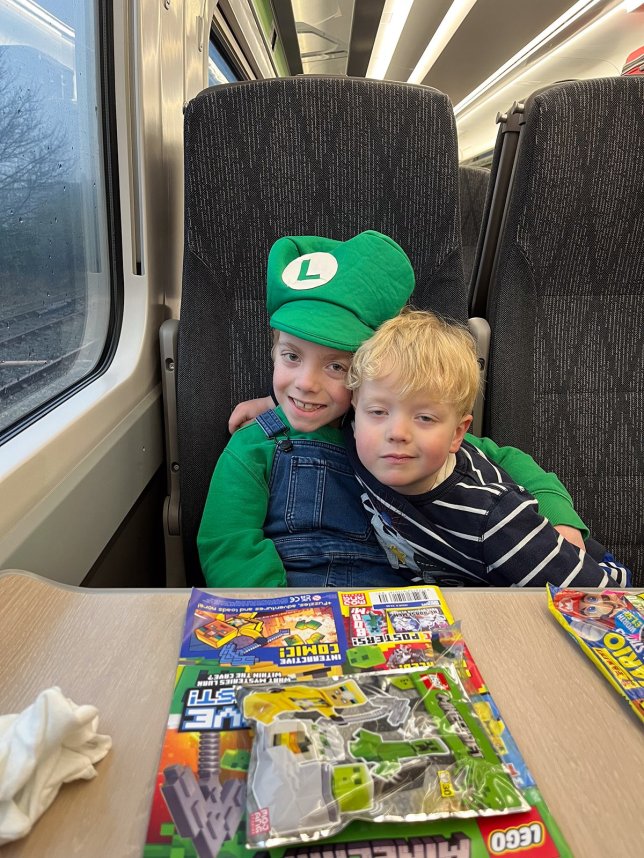 Caption: EMBARGOED TO 0001 WEDNESDAY OCTOBER 14
Undated GOSH Charity handout photo of Woody Grimwade, who was diagnosed with a rare auto-immune disease in 2021. Families with seriously ill children should be supported with their travel expenses, leading experts have warned as one family revealed they had spent in excess of ??12,000 taking their son to appointments. Provisions are already in place to help families of children with cancer get to and from vital appointments. But experts from the Great Ormond Street Hospital (Gosh) Charity said that this scheme should be extended so families of children diagnosed with a serious illness can also receive assistance. Issue date: Wednesday October 14, 2026. PA Photo. Photo credit should read: Laurie B/PA Wire
NOTE TO EDITORS: This handout photo may only be used in for editorial reporting purposes for the contemporaneous illustration of events, things or the people in the image or facts mentioned in the caption. Reuse of the picture may require further permission from the copyright holder.
Photographer: Laurie B
Provider: Laurie B/PA Wire
Source: PA
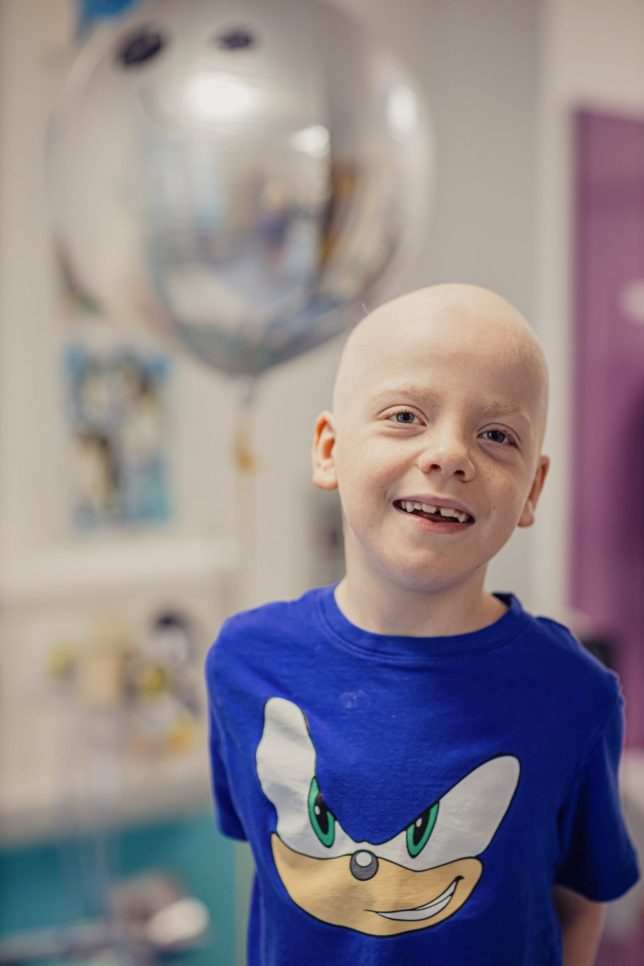 Caption: EMBARGOED TO 0001 WEDNESDAY OCTOBER 14
Undated GOSH Charity handout photo of Woody Grimwade, who was diagnosed with a rare auto-immune disease in 2021. Families with seriously ill children should be supported with their travel expenses, leading experts have warned as one family revealed they had spent in excess of ??12,000 taking their son to appointments. Provisions are already in place to help families of children with cancer get to and from vital appointments. But experts from the Great Ormond Street Hospital (Gosh) Charity said that this scheme should be extended so families of children diagnosed with a serious illness can also receive assistance. Issue date: Wednesday October 14, 2026. PA Photo. Photo credit should read: GOSH Charity/PA Wire
NOTE TO EDITORS: This handout photo may only be used in for editorial reporting purposes for the contemporaneous illustration of events, things or the people in the image or facts mentioned in the caption. Reuse of the picture may require further permission from the copyright holder.
Photographer: GOSH Charity
Provider: GOSH Charity/PA Wire
Source: PA
Laura Grimwade, whose 12-year-old son Woody has a rare autoimmune disease, estimates her family will have spent £15,000 travelling to and from Plymouth to hospitals in London by the time he is 18.
She said a fund would make “such a difference”.
Scheme should be extended, say doctors
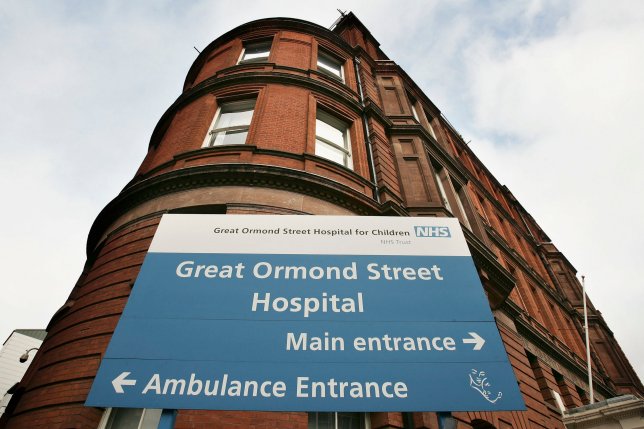 Great Ormond Street Hospital in central London is the UK’s largest children’s hospital (Source: Getty Images)
The Government has already committed £10m of travel funding to families of children with cancer.
Doctors say this is a good start but other families should not miss out.
4 min read
silicosis
The shocking human cost of UK’s killer kitchens revealed


Health and Safety Executive (HSE) inspectors found hundreds of breaches of health and safety law at more than 160 firms, with workers exposed to “billowing” silica dust, and issued an immediate ban to 50 firms.
What is silicosis?
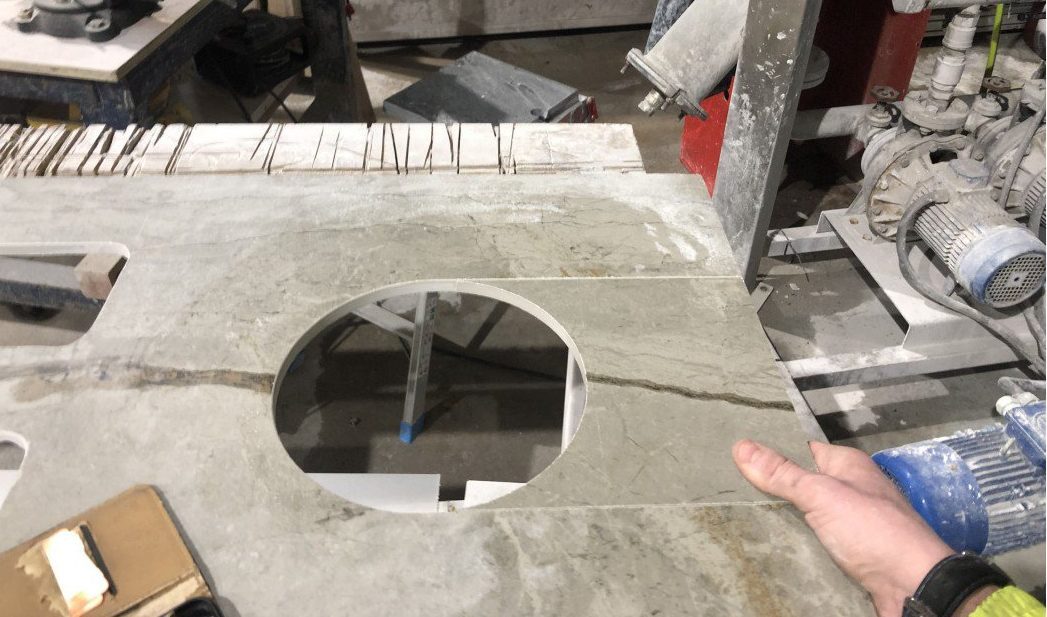
The threat posed by the man-made stone comes from so-called “dry cutting” whereby particles are emitted in a fine dust as slabs are cut.
Engineered stone often contains as much as 95 per cent silica quartz – far higher than natural stone such as granite (about 30 per cent).
When engineered quartz dust is inhaled, it lodges in the lungs, triggering an aggressive immune response from the body.
Over time, scar tissue forms and spreads, slowly killing the lung. Many sufferers of silicosis remain asymptomatic until it is too late.
Hundreds of breaches
 Caption: Luke Bunker, 29, a stonemason from Royston, Cambridgeshire, who was diagnosed with silicosis and emphysemia after working for 10 years at a firm cutting quartz worktops
(Photos: Supplied by Irwin Mitchell law firm)
Unannounced visits by the HSE to workshops producing kitchen counters made from in-demand quartz have revealed hundreds of breaches of regulations designed to protect workers from inhaling toxic dust responsible for silicosis, an incurable and often fatal lung condition.

Killer Kitchens
4 min read
Cases of deadly lung disease could reach 1,000
Almost 60 stonemasons in the UK have so far been diagnosed with silicosis, with many falling ill or dying in their 20s, 30s and 40s.
Doctors believe the true number of silicosis cases is much higher and could reach as many as 1,000 people in a workforce of 7,000.
Killer Kitchens
4 min read
Exclusive
2 min read
The verdict from the HSE
Safety bosses said the inspection regime had revealed a “very mixed picture” of safety standards in the kitchen worktop industry.
Harvey Wild, HSE’s head of operations, said: “Where we’re finding things that are wrong, there isn’t just one thing wrong – there’s multiple things wrong. We’re taking a very strong enforcement line and people are getting multiple notices.”
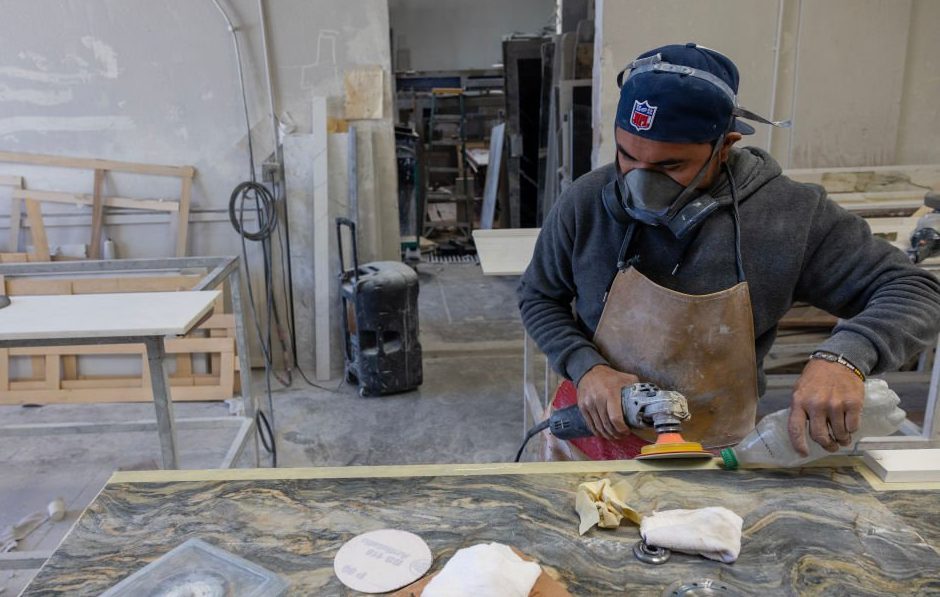 A stone countertop fabricator in in Sun Valley, California. The state could become the first in the US to ban engineered stone (Photo: Brian van der Brug/Getty)
Killer Kitchens
3 min read
Currently, the default workplace pension contribution rate is 8 per cent, which includes a minimum contribution of 3 per cent from employers. Think-tanks and sector leaders have long called for the total pension contribution rate to rise gradually to 12 per cent – with employers contributing 6 per cent – to help people build up their retirement savings.
But this is not considered adequate to meet a projected pensions crisis with an ageing population and those retiring in 2050 – aged in their mid-40s now – expected to have lower private pensions than those retiring now.
‘Finish the job’
It is understood the Pensions Commission has not settled on a final figure to recommend, or how much of it should be covered by employers, but increasing the auto-enrolment contribution rate is part of the commission’s mission to “finish the job” started by Adair Turner.
He led the first Pensions Commission and proposed a low-cost nationwide pensions savings scheme which automatically enrolled people in 2005, which the former Labour government enacted under the 2008 Pensions Act.
But the move could cause backlash from businesses, which would be forced to pay an additional £9.8bn if total contributions were increased to 12 per cent on all earnings, with 6 per cent of this coming from employers, according to analysis by the Institute for Fiscal Studies (IFS).
Speaking during a keynote address at the Pensions UK conference in Liverpool, Baroness Drake signalled that the commission will recommend that employers should take on part of the burden.
“If employer contributions do not go up, how will we prevent millions from failing to save towards adequate retirement and avoid increasing reliance on means-tested benefits in old age by millions of people,” she said.
She said the commission is considering how to boost retirement savings for people on low incomes.
Ministers have the option of removing the current £6,240 lower earnings threshold for automatic enrolment, meaning contributions would be calculated from the first pound earned rather than only on income above that level. This would be one way of increasing savings for lower earners and part-time workers.
Former minister: ‘I’d be delighted if we get there by 2025’
Former pensions minister under the Conservative government, Guy Opperman, said there is “no doubt that the UK automatic enrolment will get to 12 per cent; the better question is when”, adding: “If we got to 12 per cent by 2035, I’d be delighted.”
Opperman, the Tory pensions minister from 2017-2022 who now works as a strategic adviser for the consultancy firm Aptia, warned that increasing the minimum auto-enrolment rate means employers and employees will be “paying more at a time when cost of living is tight”.
He said the Government is likely to take on the Pension Commission’s recommendation, but said “the question is time”. Any changes would have to come after the next general election, which is currently due by 2029 at the latest, as the Government has explicitly ruled out increases in contribution rates for the rest of this Parliament.
Last month, the House of Commons Work and Pensions Committee said the Government had no current plans to increase minimum contributions, although its Pensions Commission is examining the long-term adequacy and fairness of the system.
But there have long been calls for the minimum rate to increase to 12 per cent. Pensions UK said the Government must set a clear timetable to increase the automatic enrolment contributions to 12 per cent, shared equally between employers and employees.
The IFS has proposed a targeted 12 per cent default total contribution rate specifically for earnings above £35,000, rather than a blanket increase for all workers, to protect low-income workers from reduced take-home pay.
The respected think-tank has also suggested that the age range targeted by automatic enrolment should be expanded from 22 to 16 to “help even more in paid work save for later life”.
London Economics think tank called for a “hybrid approach” where mid-earners should increase their contributions to 12 per cent, but lower earners should be “protected”.
Speaking at a Pensions UK conference in Liverpool, Carl Emmerson – partner at London Economics think-tank and former deputy director of the IFS – suggested a “phased increase” in the default pension contribution rate to 12 per cent of qualifying earnings for middle earners, with the option to opt down to 8 per cent. The proposal applies to people earning between £25,000 and £65,000.
Baroness Drake warned that increasing automatic enrolment contributions “won’t be without difficulties, although it’s necessary”.
Trade-offs over more saving
“More saving is not costless,” she said. “There are trade-offs for all three key parties: the state will spend more on tax; employers will have to plan for changes to their overall remuneration budget, and some individuals will have lower take-home pay for a period.”
She said there are currently 15 million “under-savers” in the UK, which would grow to 19 million “without action” – accounting for half the working age population. She noted the UK has the lowest savings rate in the G7 and it has worsened since the pandemic.
“Everyone has to play a part in responding to this challenge because when we identify the solution, it has to hold over the long term,” she said. “Pensions, ageing populations are a 30-40 year project. It’s not one to be altered arbitrarily every so often.”
“In 20 years’ time, I don’t want members of another commission in 2050 to be standing in front of a Pensions UK conference reminding us of a lost opportunity. This is a once-in-a-generation opportunity to finish Turner’s job,” she added.
Zoe Alexander, chief policy officer at Pensions UK, said: “With the Second Pensions Commission finalising the package of proposals that will form its final report due next Spring, we are approaching crunch time for political decision-making on pensions adequacy.
“Increasing automatic enrolment contributions to 12 per cent, shared equally between employers and employees, is the right decision to deliver long-term household financial security, something this Government has said it cares deeply about.
“Our research shows the public understand that under-saving is a serious national challenge, and employers are much more open to higher contributions when changes are phased and clearly signalled.
“Now is the time to set a timetable. Delaying reform risks consigning future generations to low retirement incomes and benefit dependency.”
A Department for Work and Pensions spokesperson said: “The Government recognises that millions are not saving enough for their retirement. That is why last year we revived the Pensions Commission to review our pensions system as a whole for the next parliament.
“The Commission is examining how we can ensure secure retirements for tomorrow’s pensioners and it will publish a final report and recommendations in early 2027.”