
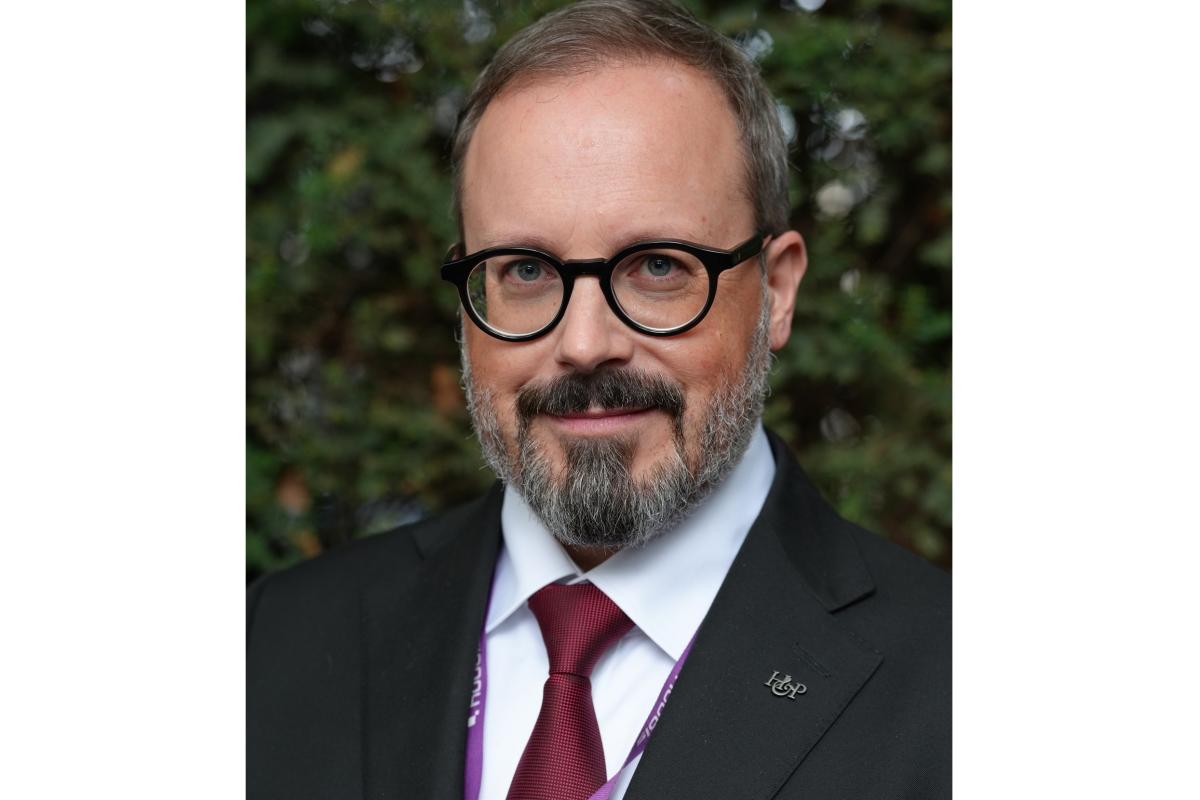
The ability to build and manage wealth does not, by itself, settle where a family will be able to live or enjoy it. Guenther Dobrauz-Saldapenna argued that residence and citizenship deserve deliberate attention alongside the financial structures used to hold and preserve assets, particularly as geopolitical conditions change.
At the opening panel of the Hubbis HNW Insurance Summit – Zurich 2026, Guenther Dobrauz-Saldapenna, Managing Partner at Henley & Partners, offered a direct account of why families should think ahead about their personal position as well as their investments.
An Individual Choice
Asked which nationality was best, Dobrauz-Saldapenna first gave a characteristically light answer: “Well, it is the Swiss.” He immediately qualified the remark, making clear that there was no universal answer.
“It is an individual question, which depends very much on where you live and what your life is going to be,” he said.
That qualification matters to his argument. A citizenship decision has to reflect the individual’s life, rather than simply follow a preference for a particular country. Dobrauz-Saldapenna nevertheless made his own position on diversification unmistakable: “One nationality is good, but it is not enough.”
When the Next Generation Drives the Decision
Dobrauz-Saldapenna illustrated the change in family conversations with an account of a wealthy American family he had met at a conference in Zurich. The parents had attended with their two sons, who were in their twenties. He initially assumed the parents had brought the children to learn about planning. Instead, the sons had asked their parents to attend.
The younger generation wanted the family to leave the United States because of its concerns about the country’s direction. Their willingness to take over the family company was linked to that decision. In his account, the motivation was not tax.
“It became very clear that the sons had requested their parents to go there with them,” he recalled.
The family was considering a portfolio of five citizenships. Dobrauz-Saldapenna explained that decisions about the family’s personal position would then inform the restructuring of its assets. The example showed how a succession conversation can begin with where the next generation wants to live, before turning to the arrangements for the family business and wealth.
His account also connected personal diversification with the geographical spread of financial assets. Banking, insurance and asset management provide ways to organise wealth internationally; families need to give comparable attention to their own residence and citizenship options.
Thinking Ahead of Geopolitical Change
Dobrauz-Saldapenna linked that preference to the speed at which conditions can change. Referring to war and to friends from Russia and China, he described people’s exposure to circumstances associated with their nationality.
His own Swiss and Austrian citizenships came from family. The point was a personal acknowledgement that nationality is often inherited rather than chosen.
Additional citizenships were, in his view, something to consider deliberately. He expressed a personal ambition to hold at least five or six, illustrating how strongly he favours having options. His earlier qualification remained central: which nationalities make sense depends on where the person lives and what lies ahead.
Wealth Requires Continuing Attention
Dobrauz-Saldapenna’s closing message also returned to the work of managing wealth itself. Families first have to build assets or inherit them, depending on their generation. They then need to use the structures and instruments available through banking, asset management and insurance, and continue to monitor them.
“You have got to watch them. You have got to work for them all the time,” he said.
He warned about the consequences of choosing the wrong expert and urged families to think ahead. His reference to portfolios of residences and citizenships placed personal planning alongside the ongoing management of financial assets. The purpose of both, in his account, is to support the life the family wants to lead and its ability to enjoy its wealth.