
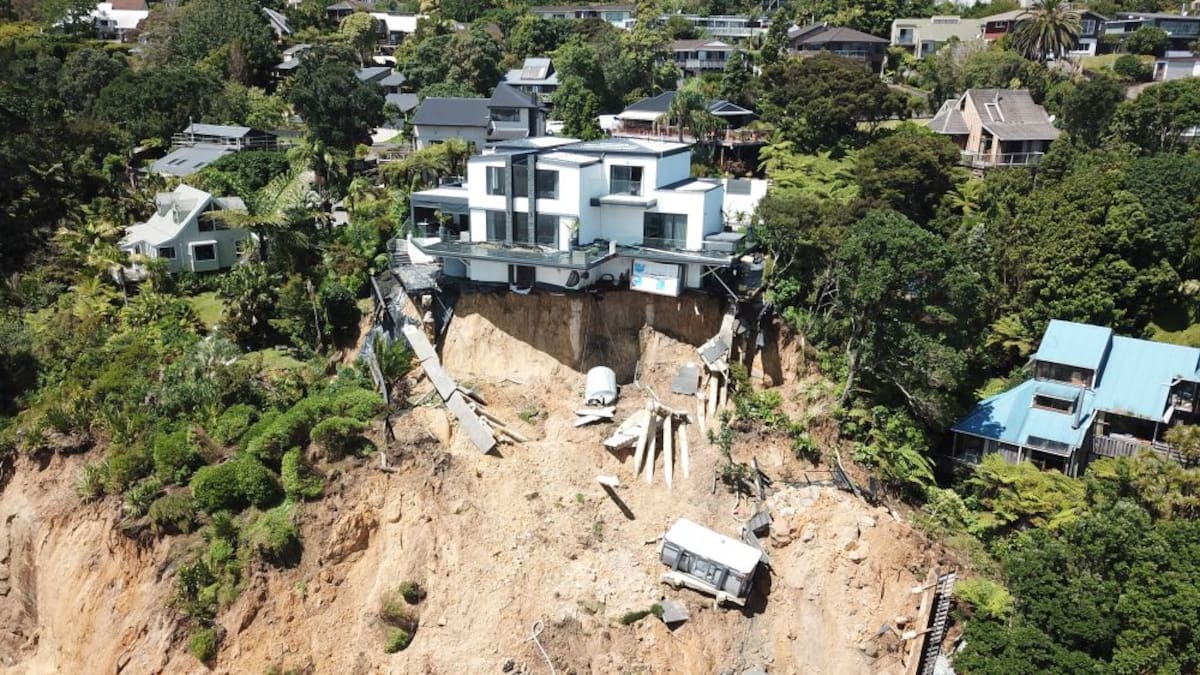
“Insurance remains largely available, but access is becoming more difficult in areas facing both high earthquake and flood risk [e.g., Wellington, Marlborough, Canterbury].
“While uptake currently appears high, limited data makes it unclear how premium increases are affecting uptake rates, or underinsurance.”
Willis and Simpson said they would get the Council of Financial Regulators to gather information and fill data gaps before they considered whether the Government needed to do anything to improve the availability and affordability of insurance.
They said they would resume a routine review of NHC levies and coverage once the affordability study was complete.
The NHC is insufficiently funded to settle claims that would arise from a large natural disaster, putting the Crown on the hook for billions of dollars ahead of the NHC being able to tap into its reinsurance cover.
Last year, the Government declined an opportunity to raise NHC levies, which are tacked onto private home insurance premiums, as it was concerned some homeowners were already struggling to afford insurance.
Willis’ office told the Herald that the Council of Financial Regulators had completed its review; however, the minister wouldn’t release its report just yet.
The inference is that the next administration would have to decide how to respond to the review’s findings.
What’s the impact on the banking system if insurance becomes unaffordable?
The Reserve Bank has been conscious of the fact that banks could be exposed if the properties they lend against are insufficiently insured or become uninsurable.
The concern is that someone may be able to secure insurance when they take out a mortgage, but it can’t be guaranteed that they can retain their cover through the life of the mortgage.
The Reserve Bank worked with its Australian counterpart to stress test how New Zealand’s four largest banks would cope if insurers engaged in more aggressive risk-based pricing, lifting premiums across the board, but particularly for the 2% most flood-prone residential properties in the country.
The regulators considered what the impact of this scenario would be if it occurred at a time the economy was struggling, with an unemployment rate of 10.5%, an Official Cash Rate of 4%, and property values down 35%.
They noted the combination of events would squeeze households’ budgets and prompt a rise in mortgage defaults.
The Reserve Bank and Australian Prudential Regulation Authority’s conclusion, published on Thursday, was that the banks were sufficiently capitalised to handle the pressure, as borrowers with very flood-prone properties would only make up a small portion of banks’ mortgage books.
However, they said their stress testing highlighted how climate-related risks could “further erode resilience” if they materialised alongside a severe economic downturn.
The regulators credited the banks they engaged with – ANZ, ASB, BNZ and Westpac – for reporting greater understanding of how “climate-related risks may affect retail mortgage portfolios through channels that are not traditionally captured in credit risk models”.
“The work encouraged further development of climate datasets, stronger links between property-level hazard information and credit risk systems, and deeper consideration of insurance affordability and availability as emerging financial stability issues.”
Jenée Tibshraeny is the Herald‘s Wellington business editor, based in the Parliamentary Press Gallery. She specialises in government and Reserve Bank policymaking, economics and banking.
Stay ahead with the latest market moves, corporate updates, and economic insights by subscribing to our Business newsletter – your essential weekly round-up of all the business news you need.