
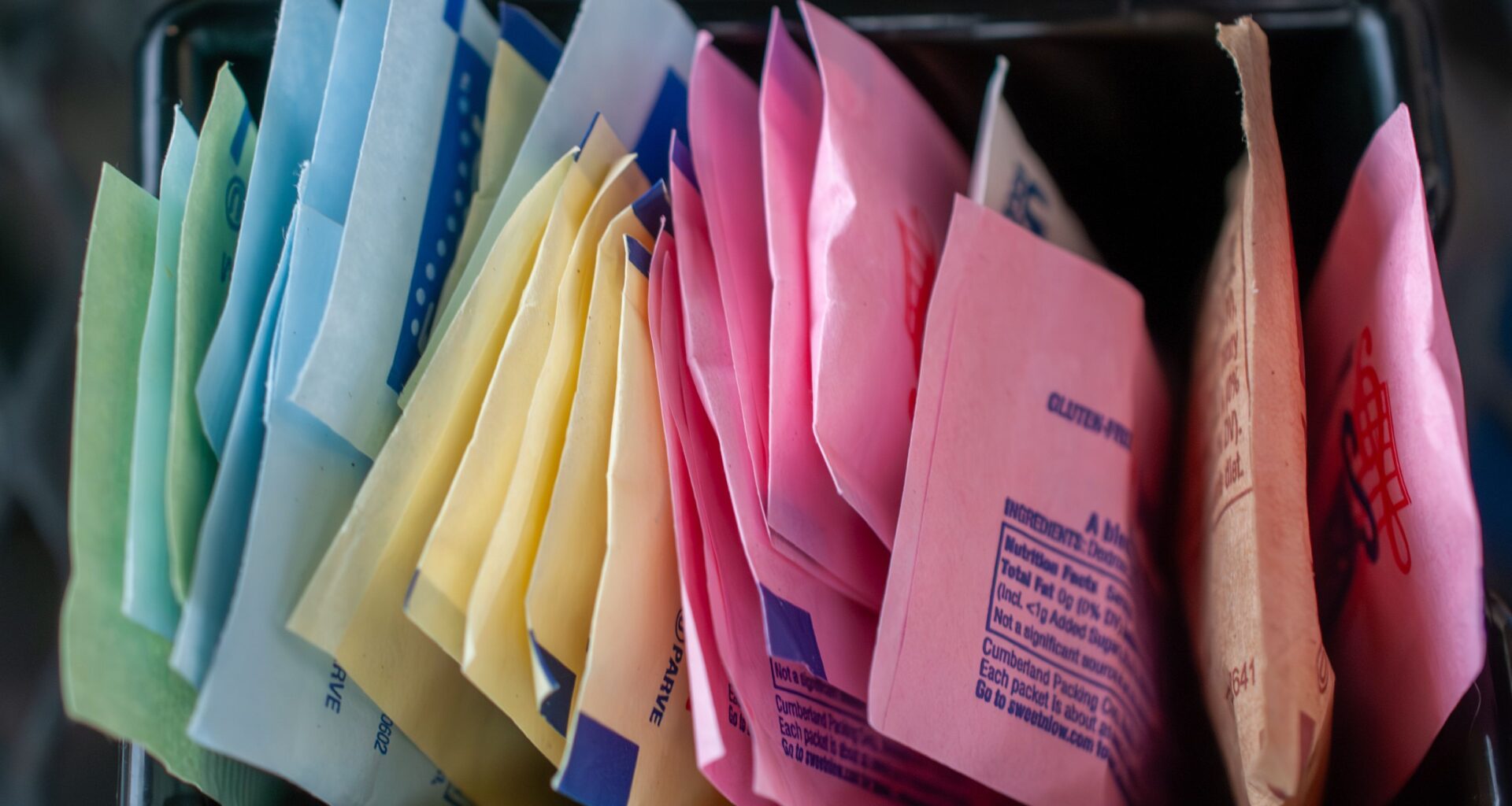
Non-nutritive sweeteners (NNSs), or sugar substitutes, were created by the food industry to cut down on sugar and calories without losing the sweet taste. Some large population studies have hinted that consuming them might raise the risk of certain cancers, including breast cancer. However, all that evidence has come from people reporting what they ate and drank, which is not always accurate, rather than from directly measuring the sweeteners in their bodies.
To get a clearer picture, Italian researchers measured the levels of these sweeteners in urine samples from women taking part in the Moli-sani Study, a large, long-running health study, and looked at whether those levels were linked to breast cancer (BC) risk. They used liquid chromatography–mass spectrometry (LC–MS) to accurately detect and measure small amounts of specific substances. Their findings were published in the journal Nutrients.1
What Do We Know About the Health Effects of Artificial Sweeteners?
NNSs give food and drinks a sweet taste while adding few or no calories, which is why they’re often used in place of sugar.2How much of each sweetener people take in can differ widely, depending on what they eat and drink and which sweeteners go into the products they choose. These sweeteners have been promoted as a way to cut back on sugar and calories and to help people lose weight or keep it off. Studies that directly test this have generally found that swapping sugar for artificial sweeteners can help people eat fewer calories and lose a little weight, especially when they’re used in place of sugary foods and drinks.3However, the research on whether these sweeteners might harm our metabolism is mixed. The results may depend on which sweetener is being studied, how much is consumed, what it’s being compared with, and who is taking part in the study.4
Some long-term studies that follow people over time have found links between consuming artificial sweeteners and certain cancers, although the results have been inconsistent.3,5,6In addition, according to the authors of the study,1 “these studies have largely relied on self-reported dietary information, which may introduce exposure misclassification and may not accurately capture exposure to individual NNSs from different dietary sources.”
Are Artificial Sweeteners Linked to Breast Cancer Risk?
The researchers involved in this study randomly picked 988 middle-aged women (around 55 years old on average) from the study to serve as a comparison group. They then compared them with 272 women who went on to develop breast cancer, 38 of whom had not yet gone through menopause and 234 who had. Using LC–MS, the team tested urine samples collected when the women first joined the study, between 2005 and 2010, for six common sweeteners: aspartame, acesulfame, saccharin, sucralose, cyclamate, and stevia-based sweeteners. The measurements were adjusted to account for how concentrated each urine sample was.1