
A deadly strain of bird flu has reached one of Australia’s most remote wildlife havens, home to threatened and endangered species.
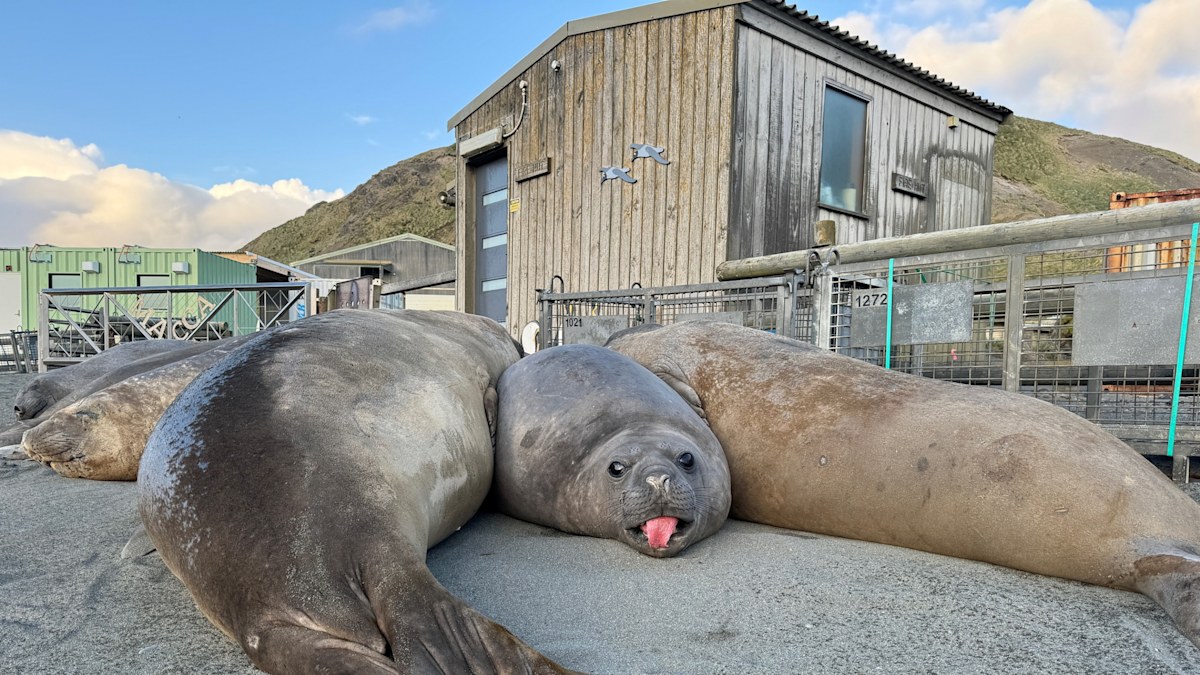
The H5 strain was confirmed in a southern elephant seal and a kelp gull on Macquarie Island, marking the island’s first recorded outbreak.
Three elephant seals at Macquarie Island station. Greg Stone
The World Heritage-listed island sits in the Southern Ocean between Tasmania and Antarctica and is home to colonies of penguins, seals and seabirds year-round.
Macquarie Island has been protected as a wildlife sanctuary since 1933 and was granted World Heritage status in 1997.
Despite the detection, Australian Chief Veterinary Officer Dr Beth Cookson said that the overall threat level hasn’t escalated.
“There is currently no evidence of mammal-to-mammal transmission associated with H5 bird flu in Australia and the risk to human health remains low,” she said.
“There remain no detections in Australian poultry or in our agricultural production system.”
The discovery follows the detection of H5 bird flu in wild birds in Tasmania earlier this year, raising concerns about its potential toll on native wildlife.
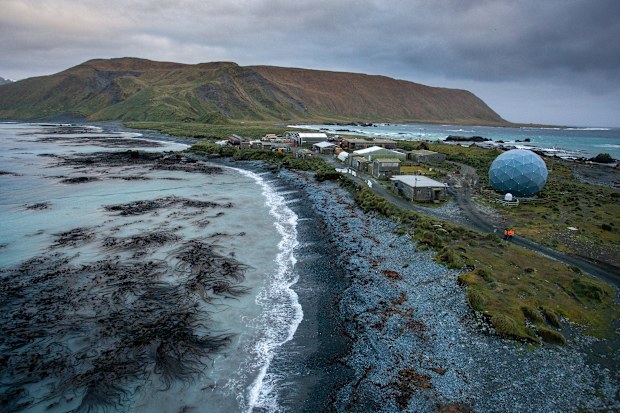
Macquarie Island is home to several threatened and endangered species of plants, birds, and marine mammals. Greg Stone
Bird flu is a highly contagious viral disease primarily affecting birds, but it can also infect other animals, including seals and species that scavenge infected wildlife.
Some birds can carry the virus without appearing sick, while infected birds and other animals can become severely ill and die.
Wild bird movements mean authorities cannot stop the virus from spreading among wildlife, and outbreaks can kill large numbers of birds and mammals.
Tasmanian Environment Minister Guy Barnett said reports of sick and dead wildlife would help authorities identify and respond to potential cases.
Cookson urged anyone who comes across an animal they think may be infected to keep their distance.
“If you notice sick or dead birds or other animals, do not touch them or get too close,” she said.
“Take photos if safe to do so, note your location and report it.”
Sightings can be reported to the 24-hour Emergency Animal Disease Hotline on 1800 675 888.