
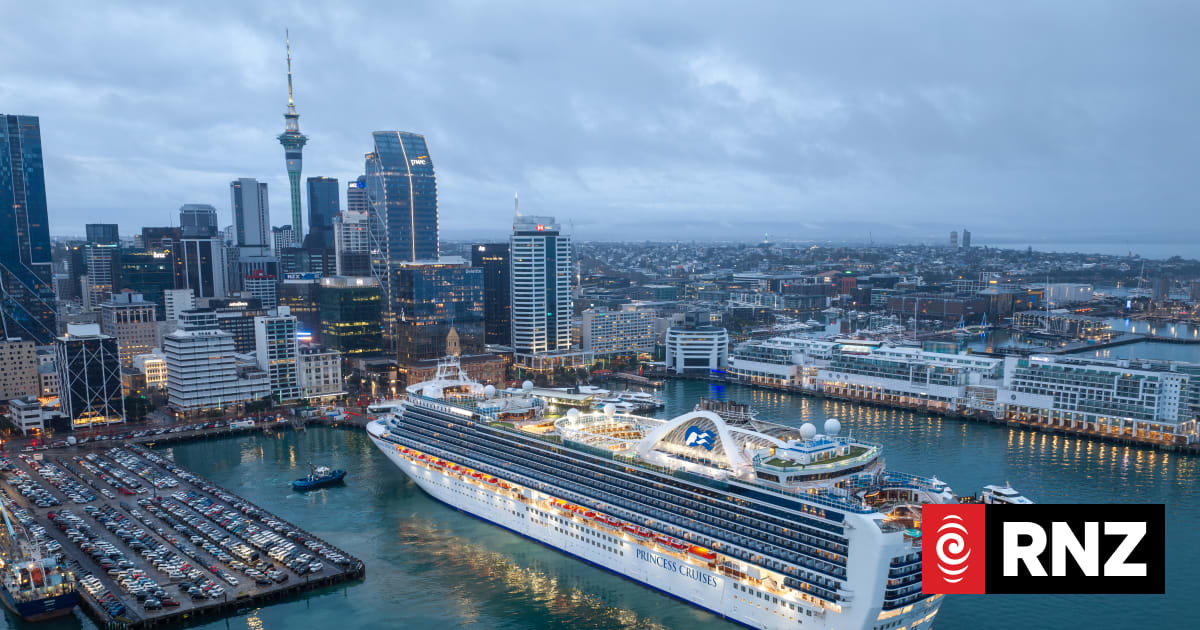
Cruise ship passengers will be charged $20 less for travelling to and from New Zealand.
Customs Minister Casey Costello announced Friday changes to the Border Processing Levy, which was forecast to recover $124.3 million in Customs’ border processing expenses in 2026/27.
From 1 July 2027, arriving cruise passengers will pay $7.20, down from $27.14. Departing passegers will pay 71 cents, up by 3 cents.
New Zealand Cruise Association chief executive Jacqui Lloyd said the announcement was “incredibly helpful going forward” as one step towards helping the industry.
Lloyd said the cruise industry was responsible for one in 10 tourists coming to the country.
But she said cruise lines were limiting the number of New Zealand port calls, bringing fewer passengers as a result.
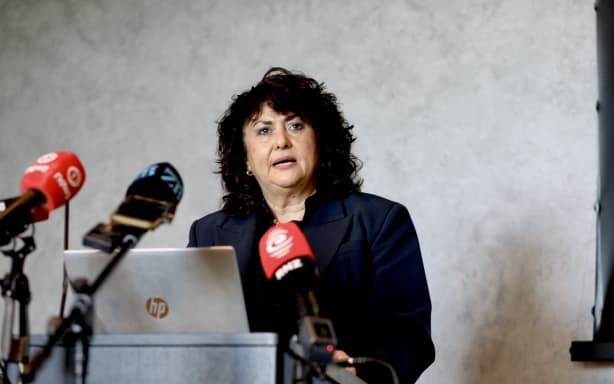
Customs Minister Casey Costello.
RNZ/Marika Khabazi
She said there were several factors contributing to the decline, such as difficulty in getting slots for docking in Sydney – where cruises often start and finish.
“And so it does mean that there’s a reduction in port calls around New Zealand as itineraries get shortened because they need to leave Sydney and get back to Sydney at a certain time.”
Another issue was cost: Lloyd estimated it could cost $650,000 for a ship with 3000 passengers to do about eight port calls around New Zealand in government and port fees.
“There are Maritime New Zealand fees going into every single port in New Zealand. There is also [an] oil pollution levy for every single port in New Zealand that is through Maritime New Zealand. You’ve also got a broader border levies, which we’ve just been discussing around Customs and MPI [Ministry for Primary Industries].
“And then the ports also, of course, will be charging to berth in each of their ports. Also, many do a per passenger fee, but they’re also charging for security, gangways, staffing, bollards, all sorts of things that need to happen for the operation for a ship to come into a port.”
She said New Zealand had been viewed as one of the most expensive places for cruise lines to visit.
But Lloyd said work between government and ports would bring about positive change.

New Zealand Cruise Association chief executive Jacqui Lloyd.
Supplied / NZ Cruise Association
“We’ve had some great news out of Maritime New Zealand who are holding their levies for the next few years. MPI are doing the same. We also have Customs now with their new rates.”
She clarified that new government departments’ rates had not been set solely for the benefit of the cruise industry, but that they were beneficial.
It might also take a few years for the benefits to appear, as cruise lines booked their itineraries years in advance, so companies wouldn’t be lured back instantaneously, she explained.
She said this kind of cross-agency collaboration was necessary for the industry’s future.
“It’s been … [good] to really open the dialogue between all the sectors and really make sure that people aren’t operating in silos and create some good discussion and awareness on what any kind of change, how that might affect other parts of the sector.”
But ultimately, what was needed, she said, was certainty.
“The cruise lines need certainty for planning. They need to know when there is going to be an increase in costs or a change in regulation and they need to know early so that they can put that into their budgets and their planning for future deployment.
“But also our tourism sector and our port sector need certainty. They need to know that the cruise lines are still coming to New Zealand so they can ensure that they can invest in infrastructure and also in workforce and so on.”