
Wits University news release
In a landmark HIV prevention trial, an antibody blocked viruses most vulnerable to it, but others broke through. Now researchers have uncovered how HIV evolved after those infections – and why the amount of antibody in the body is an essential part of the story.
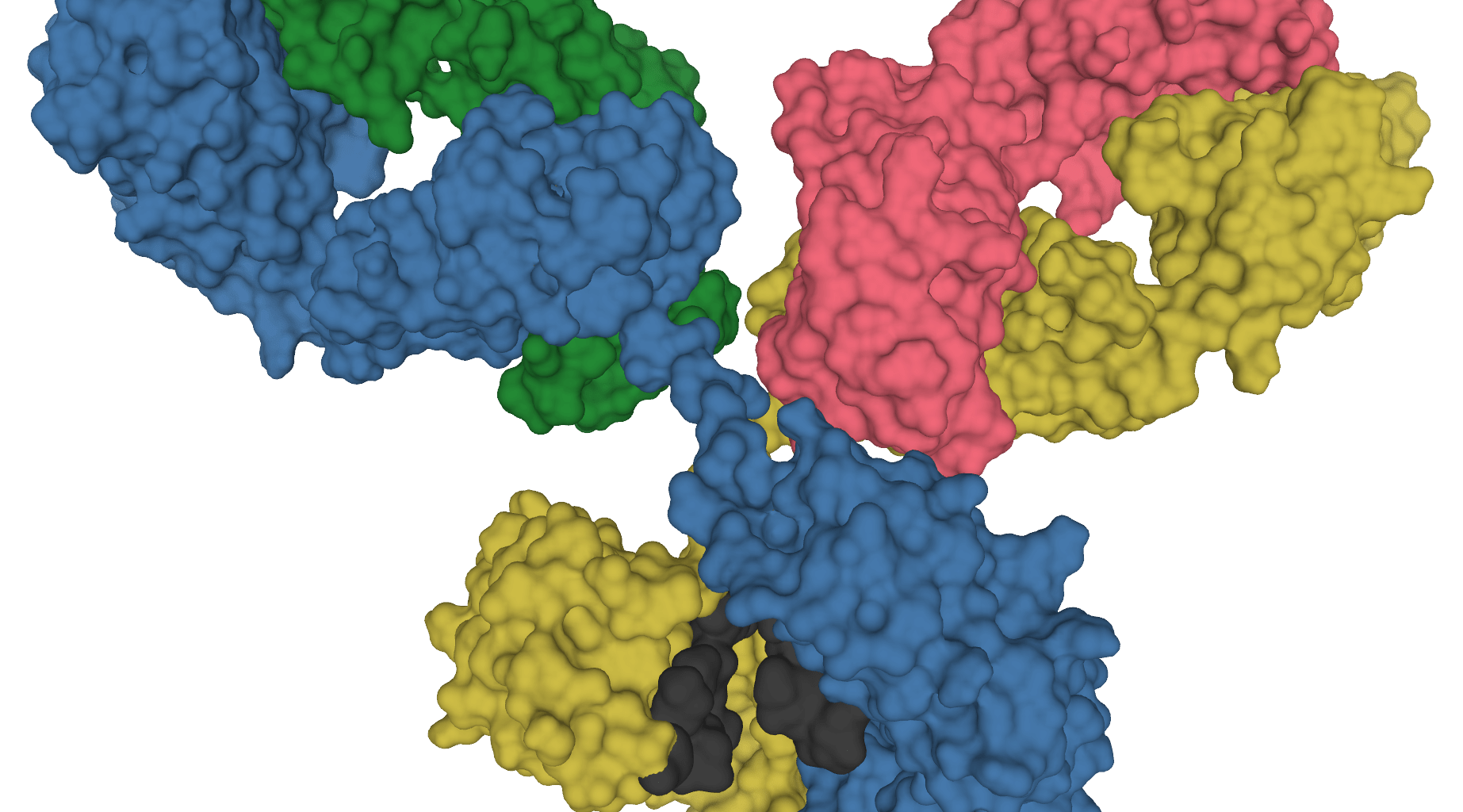
The Antibody-Mediated Prevention (AMP) trials enrolled more than 4,600 volunteers across Africa, the Americas, and Europe to test VRC01, a laboratory-made broadly neutralising antibody (bnAb).
In the AMP trial, VRC01 did not significantly reduce HIV infections overall, although it reduced infections caused by highly sensitive strains by about 75%. This study showed that HIV requires high antibody titers, and it illustrates the importance of maintaining those titers throughout the dosing cycle.
A new study published in Nature Microbiology has now examined what happened after infection in people who received VRC01. The findings show how a virus can respond to antibody pressure – and offer clues for improving future antibodies and vaccines.
Read the full news release here.