
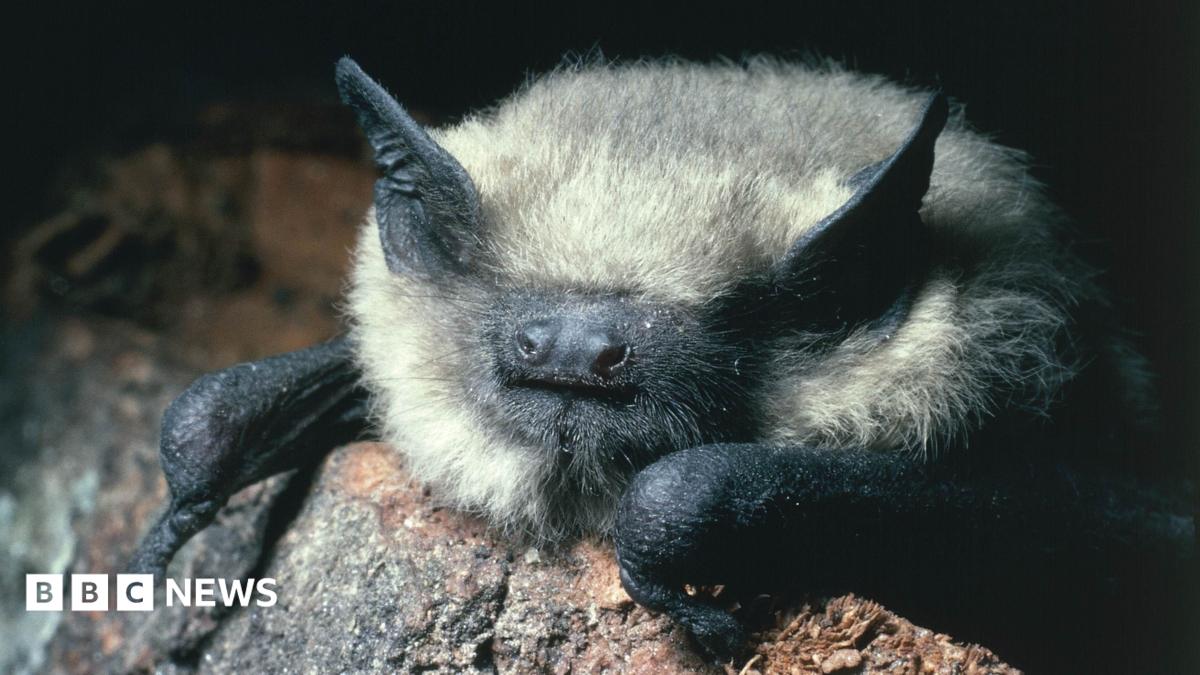
It is an offence to kill, injure, take or disturb a bat, or to destroy, damage, obstruct or otherwise interfere with a bat roost, breeding site or resting place.
Several species of bat were identified on the proposed site, including the common and soprano pipistrelle, as well as the myotis bat.
They were observed entering the woodland from the north of the site and along the road corridors in the area, as well as “congregating” in the open parkland in the south-west corner.
The mitigation strategy recommendations included “maintaining the woodland as a suitable flight corridor and foraging area”, to preserve part of the woodland as a “dark area for bats”.
Without mitigation, the impact would be assessed “as major” at a national level, primarily due to the effect of lighting on bat access through the woodland, the survey said.
Further ecological mitigation proposed included use of bat boxes, a lighting plan with “properly positioned and shielded lighting minimising light spill”, standard trees and 20 smaller trees and hedging.