
“To remain commercially viable in New Zealand, Unit 5 needs contracted long-term revenues, long-term cost-competitive and reliable fuel supply and fuel flexibility,” Johns said.
None of those things are currently available in New Zealand, he said.
Genesis said at its annual result it had established a review team and commenced a review process.
The team will be exploring options to secure Unit 5’s commercial future in New Zealand, options to sell it in the international market and other options the team may choose to look at.
As reported, margins and favourable hydro-generating conditions helped drive Genesis Energy’s operating earnings higher in the June year.
The company, 51% owned by the government, said its earnings before interest, tax, depreciation, amortisation and fair value adjustments on derivatives (ebitdaf) came to $518 million, up 14% on the previous year.
Genesis Energy’s net profit came to $85m, down from $169m in 2025, reflecting the “marked to market” value of its derivatives.
Johns said Genesis remained committed to its $500m ebitdaf forecast for the 2028 financial year.
Genesis runs the Huntly Power Station, which backs up the hydro- and wind-dominated electricity system with thermal generation.
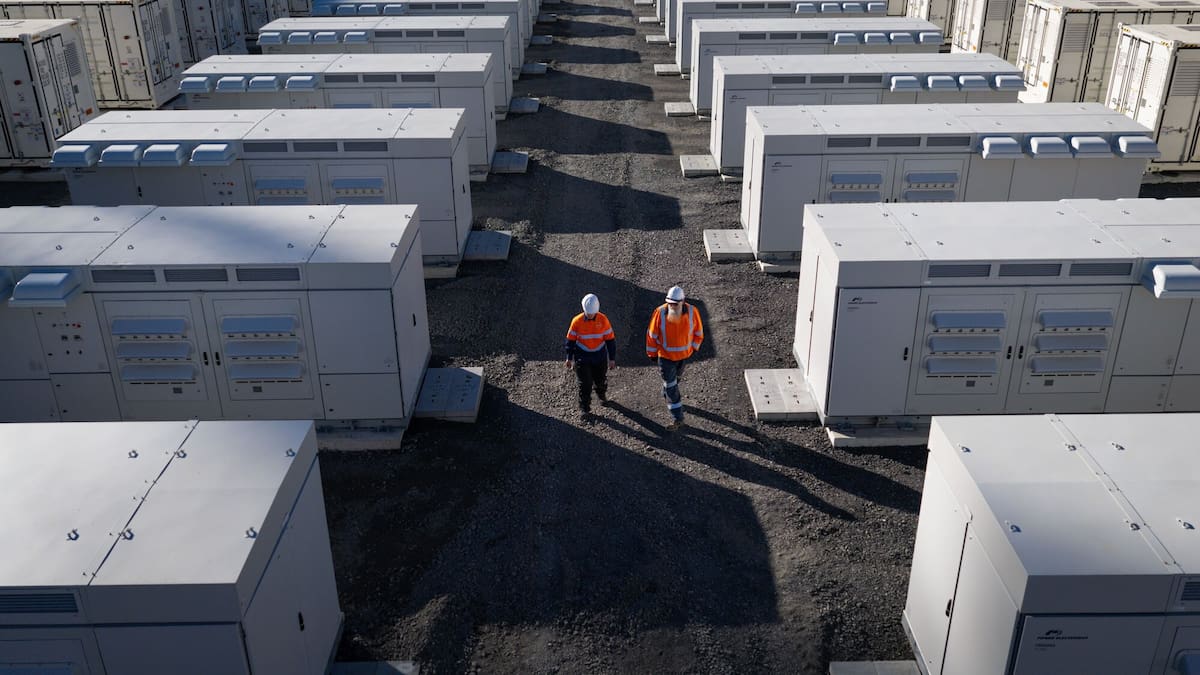
Last week, Genesis officially opened its first grid-scale battery at Huntly Power Station.
The 100-megawatt (MW) battery can store 200MWh of electricity, enough to power 60,000 homes for two hours.
It cost about $130m, more than $5m below budget and the cheapest battery of its kind built in New Zealand to date, the company said.
Stay ahead with the latest market moves, corporate updates, and economic insights by subscribing to our Business newsletter – your essential weekly round-up of all the business news you need.