
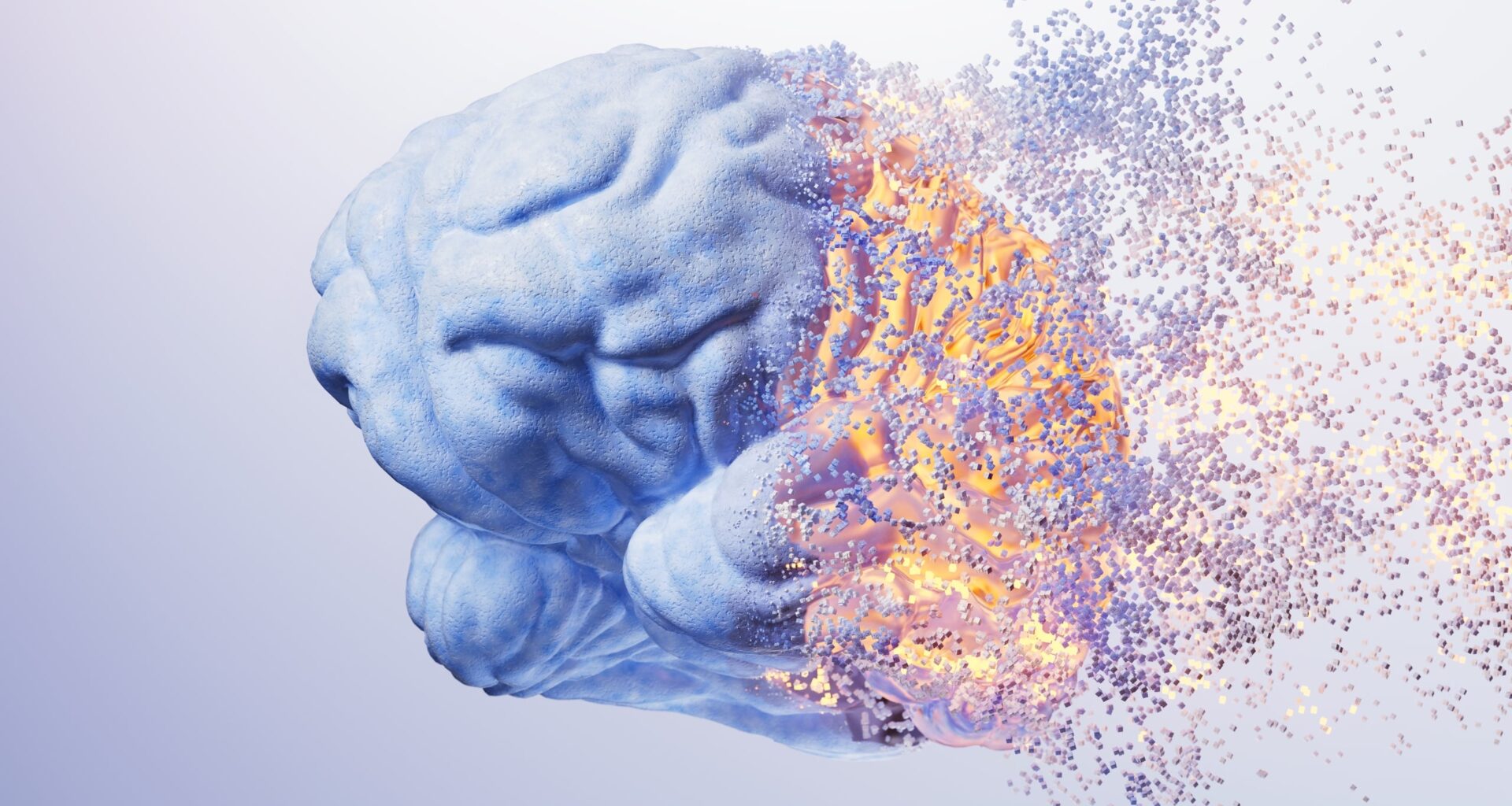
Aging is the price paid for the ability of experiencing existence, one might philosophize.
Natural cellular aging begins with differentiation. Once a stem cell becomes a specific cell type, it’s locked in forever: fat cells can never become muscle cells, no matter how hard one wishes, or pokes and prods at them in front of the mirror.
Or so it goes in nature, but scientists can definitely transform cells, as if biologically compensating for all the failed alchemical attempts of the past.
Now, scientists have transformed old blood cells into young brain stem cells, which continued to grow younger as they grew older.
The researchers, from the University Hospital of Bonn and the University of Bonn, in Germany, described their methods in the journal Aging Cell.
Cellular transformations can be done in two main ways. The first, more circuitous route turns a specific cell back into a pluripotent stem cell, or an embryonic “blank slate,” and then into a different cell type.
The second method involves a “direct conversion,” which skips the middle stage and directly transforms a cell into a different type.
“Using this method, we have directly converted red blood cell precursors into neural stem cells,” summarizes Oliver Brüstle, the director of the Institute of Reconstructive Neurobiology at the University Hospital of Bonn.
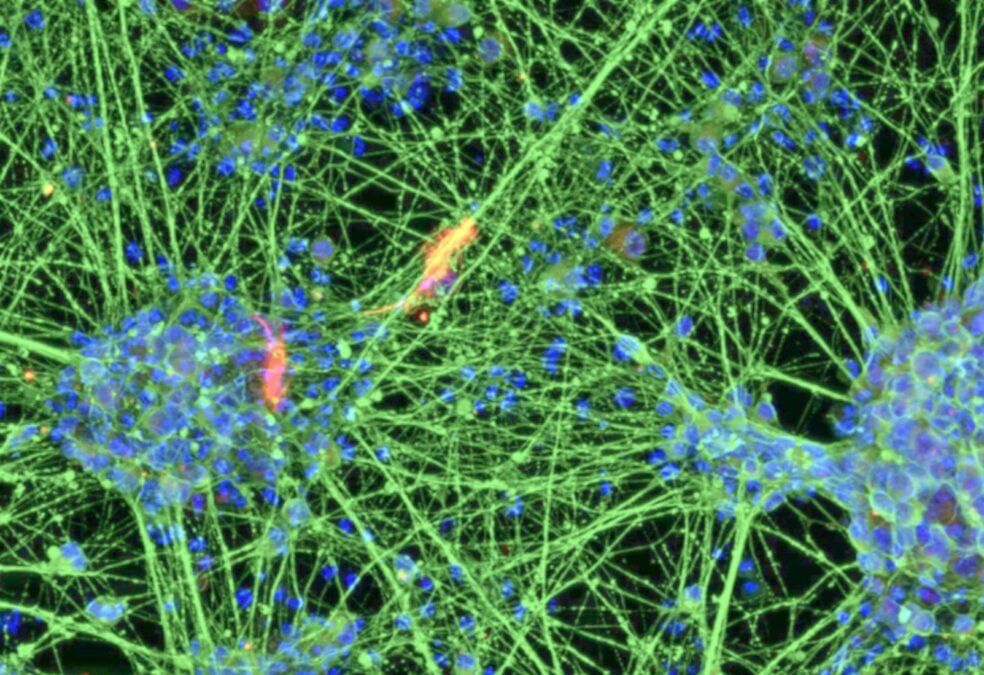 Neurons generated through the differentiation of neural stem cells, initially derived from blood. (Brüstle Research Group / University of Bonn)
The researchers used donor cells from 15 people across the age spectrum, from newborn to 101 years of age.
They specifically took erythroid progenitor cells (EPCs), which are akin to red blood cells that haven’t graduated college yet, and turned them into induced neural stem cells (iNSCs), which are the pre-graduate cells of the brain.
They achieved the direct conversion genetic shortcut via an unlikely agent that usually destroys cells.
The researchers used a virus to deliver two transcription factors, or proteins that attach to DNA to regulate gene activity, to get the cells to change their types.
Then they used two genome-bloodhounding methods – DNA methylation measures and RNA sequencing – to track the resultant anti-aging effects and genetic behavior.
By the 12th day after the viral “infection,” the cells started showing their new identity, ditching their blood-like proteins and replacing them with the expression of neural-like proteins instead.
Initially, the epigenetic age (the DNA changes accumulated over time) of the EPCs was highly correlated with the chronological age of their donors.
Obviously, blank slate cells revert to an embryonic state and become rejuvenated, regardless of the age of the person who donated the blood sample.
So the researchers wanted to see if the direct conversion method they used also rejuvenated the converted cells.
Intriguingly, they did, though it took more than twice as long.
But this was just the appetizer, because the neuronal stem cells kept getting younger as they got older (excuse the paradox).
Over the following 50 to 100 days, they kept de-aging, eventually reaching about 5 percent of the donor age, with the majority of epigenetic age-related traits resetting by around 50 days of the conversion process.
In other words, counter-intuitively, they got younger as they got older.
In effect, the converted cells became 60 years younger in 50 days, the researchers note in their official statement, proving that you really can ‘melt away the years’ as hotel-spa brochures and late-night infomercials promise (if you’re a cell, anyway).
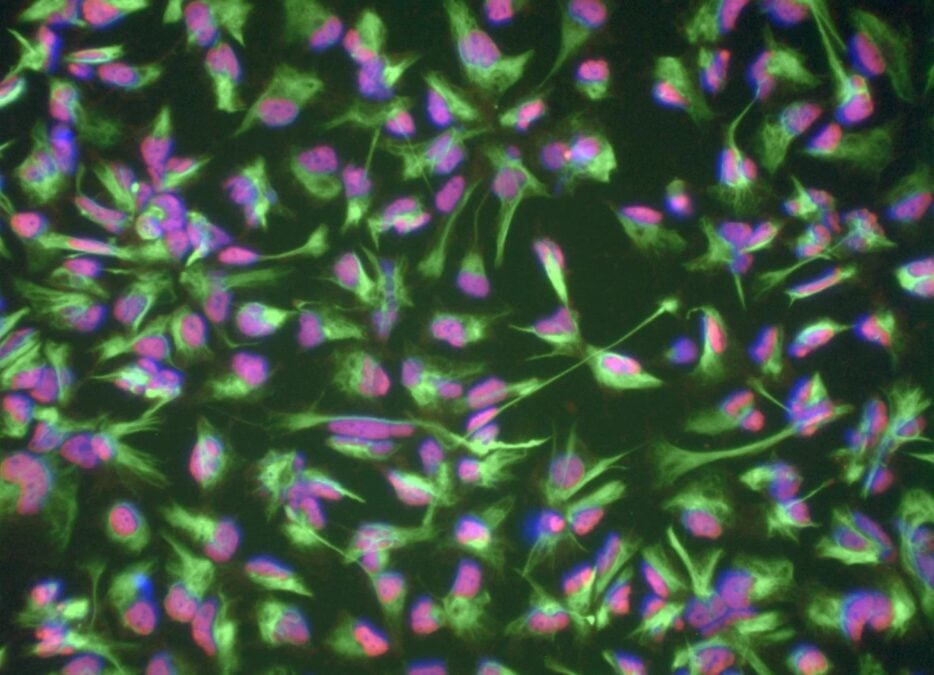 The induced neural stem cells, which can differentiate in a few types of brain cells such as neurons, which were derived from the blood of a 101-year-old donor. (Brüstle Research Group / University of Bonn)
But were these cells actually younger, or did they just look that way? In other words, anyone can slip on a Thrasher hoodie, but it doesn’t imbue them with skate-worthy balance.
“We also know that this epigenetic rejuvenation ensures that the cells actually behave like young cells,” Brüstle says.
The researchers analyzed this through numerous measures, including protein expression as well as the rejuvenated cells’ recycling abilities.
The cells also displayed less DNA damage and mitochondrial toxicity, showing that the direct conversion cells enjoyed benefits comparable to the blank slate cells.
Intriguingly, they continued growing biologically younger even in conditions that inhibited their proliferation, or ability to divide and multiply, suggesting their rejuvenation isn’t dependent on their ability to split.
The researchers do mention some study limitations. These include potential mathematical biases in de-aging models, the absence of naturally aged neural stem cells to use as comparisons, and potential in vitro versus in vivo behavioral differences in cells.
But, promisingly, engineered cells appear to be viable. In previous Franken-mouse-like research from Bonn scientists, cells formed connections with existing neural cells after being transplanted into the brains of mice.
Such GMO mice à la Pinky and the Brain demonstrate future therapeutic value, suggesting the possibility of engineering brain cells for individuals affected by neurodegeneration.
Finally, the protracted nature of the converted cells in this work allows easier study:
“Rejuvenation that extends over such a long period of time is ideal as an experimental model,” Brüstle emphasizes.
“Since the epigenetic clocks are slowly reset over several weeks, we can use this model to investigate which factors and active substances accelerate or slow down the rejuvenation process.”
The research has been published in Aging Cell.
This article was fact-checked by Fiona MacDonald and edited by Fiona MacDonald. While we pride ourselves on our process, we are only human. If you spot a mistake, please let us know.