
Follow us
Add us as a preferred source on Google
Newsletter
Subscribe to our newsletter
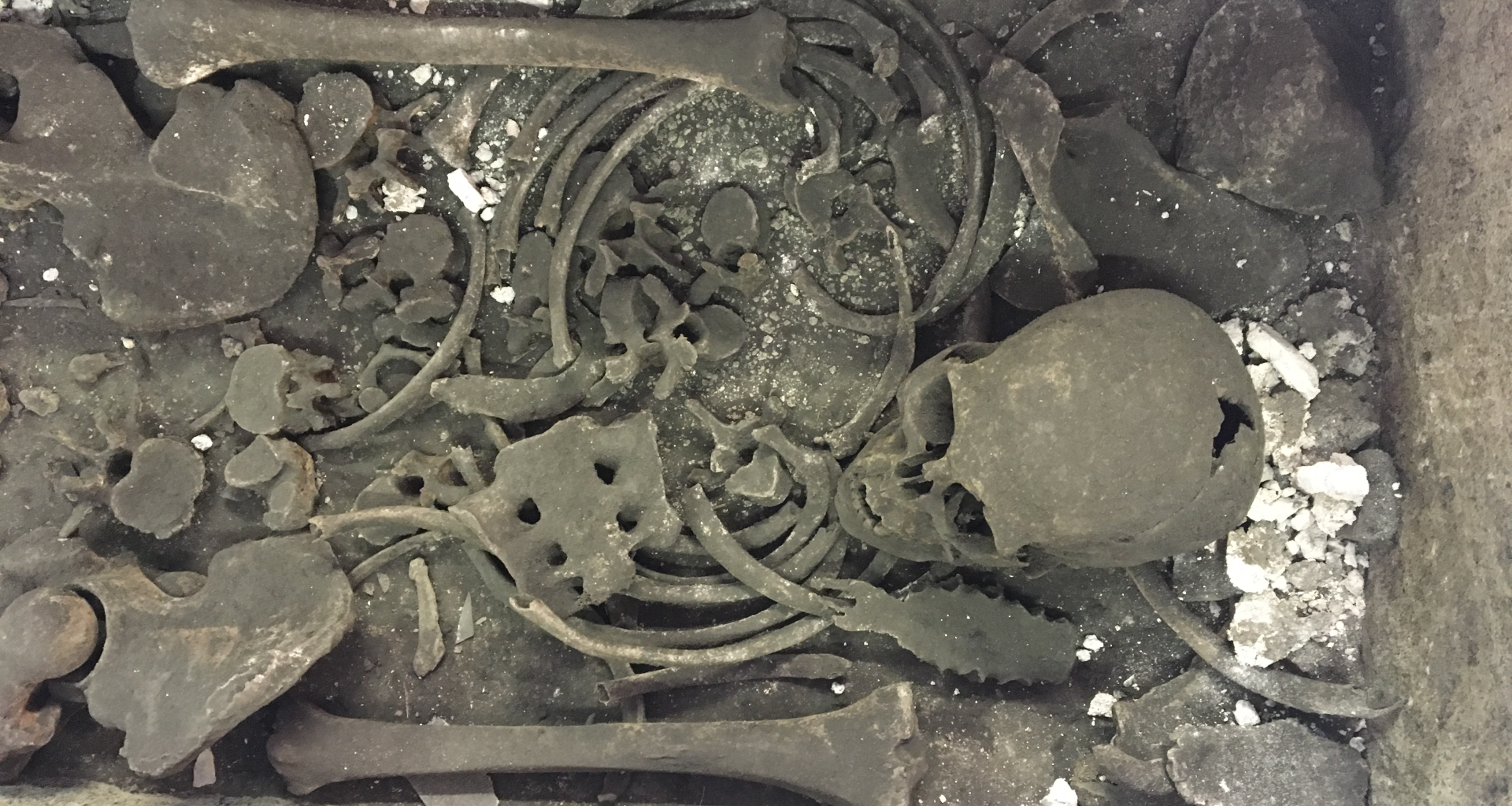
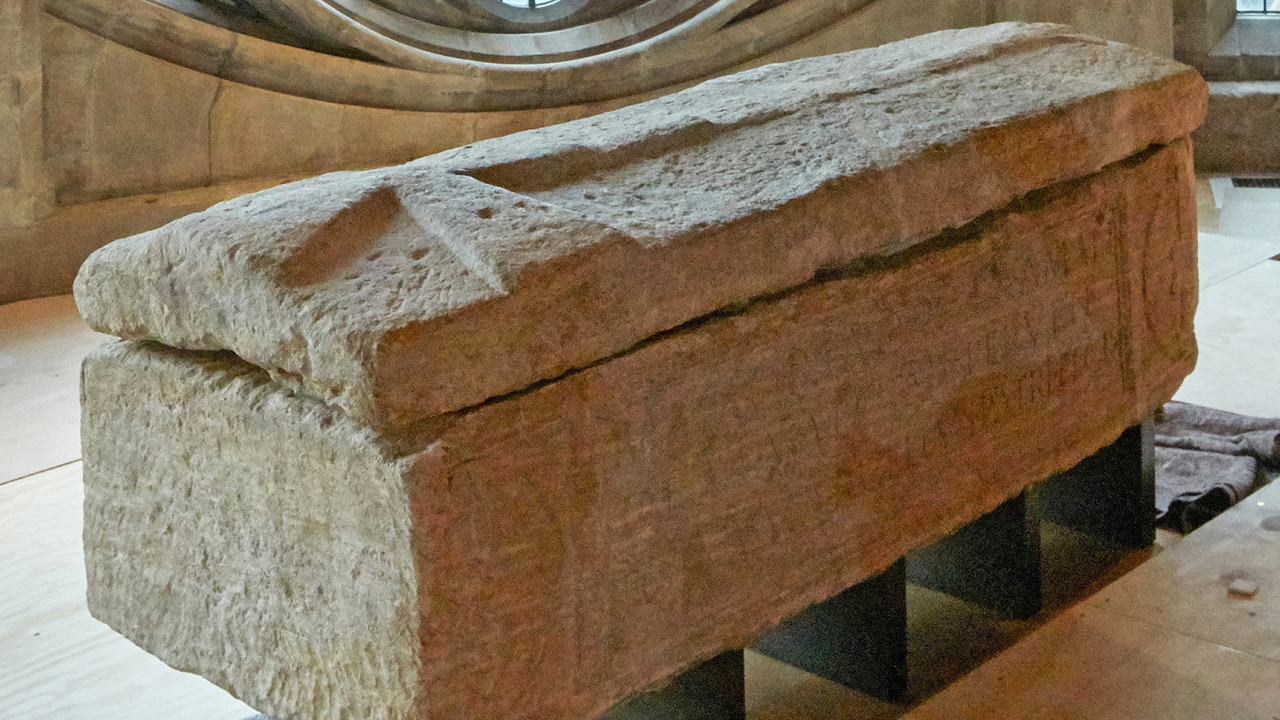
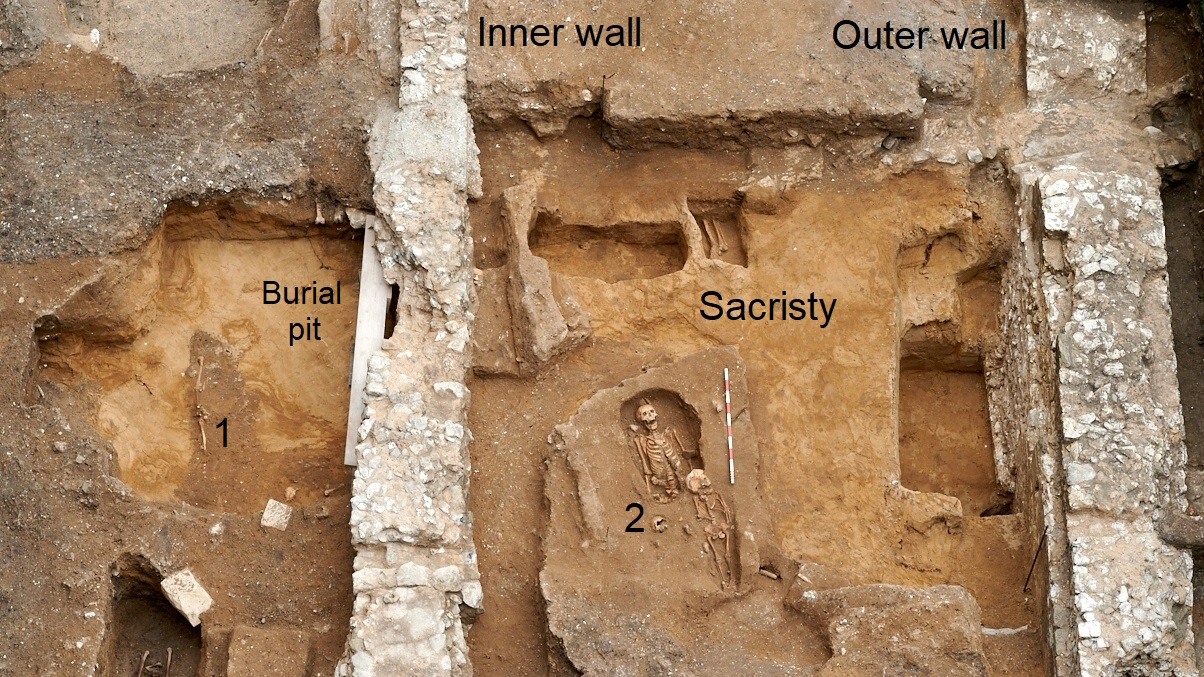
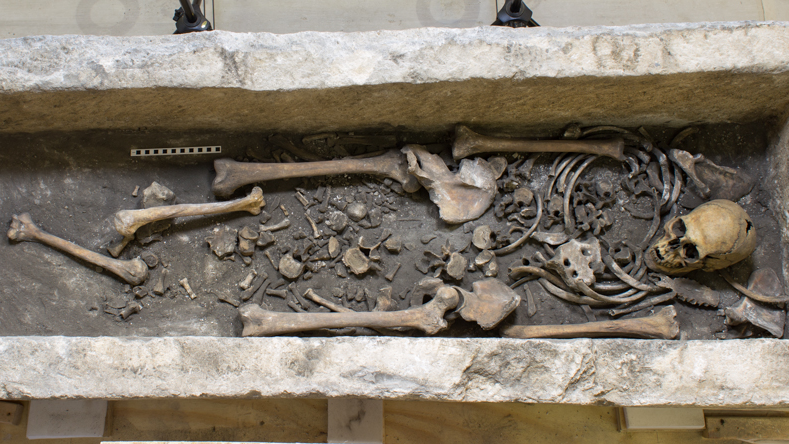
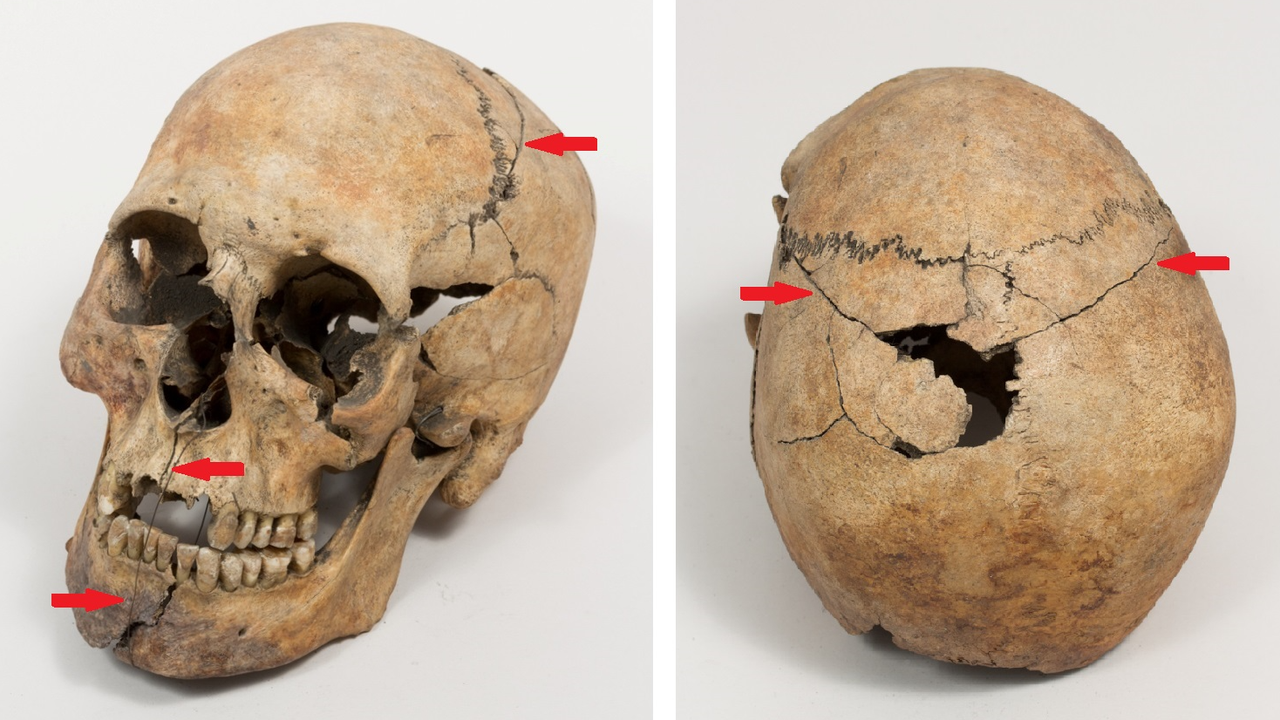
In the late 1800s, Westminster Abbey clergy stumbled upon a mysterious sarcophagus. The lid was decorated with an 11th-century Anglo-Saxon cross, but the base had a fourth-century Roman funeral inscription. For nearly 150 years, the tomb has baffled experts, but the abbey’s consulting archaeologist may have finally figured out who was buried there, according to a new study.
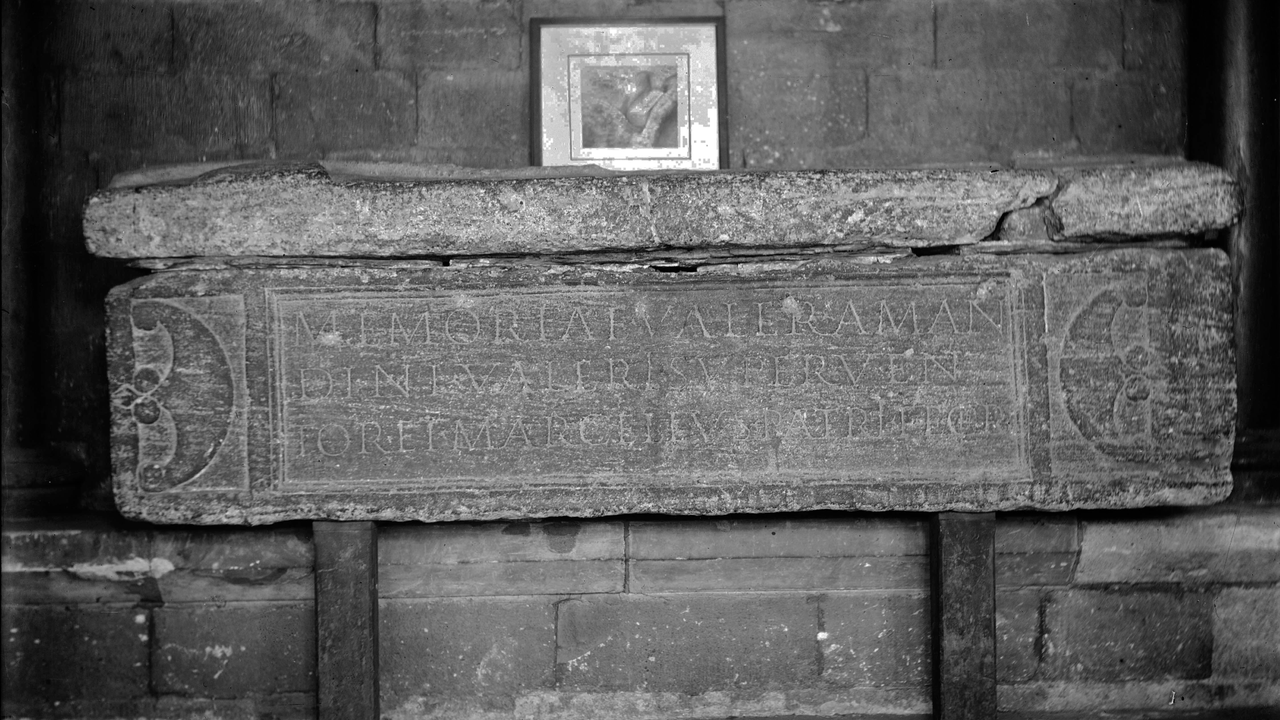
Westminster’s chief mason unearthed the stone sarcophagus in 1869, but when experts investigated it, they discovered that the burial had been looted earlier that century. Experts also noticed that the carved decoration on the side of the sarcophagus was stylistically Roman, with a Latin inscription that can be translated as “To the memory of Valerius Amandinus. Valerius Superventor and Marcellus made this for their father.” But an enormous medieval cross had been carved into the lid of the sarcophagus, suggesting that the tomb had been reused to bury an important religious figure hundreds of years later.
Latest Videos FromLive Science
Image 1 of 5
(Image credit: Dean & Chapter of Westminster)
(Image credit: Dean & Chapter of Westminster)
(Image credit: © Pre-Construct Archaeology Ltd; (CC-BY-ND 4.0))
(Image credit: © Pre-Construct Archaeology Ltd; (CC-BY-ND 4.0))
(Image credit: © Pre-Construct Archaeology Ltd; (CC-BY-ND 4.0))
You may like