
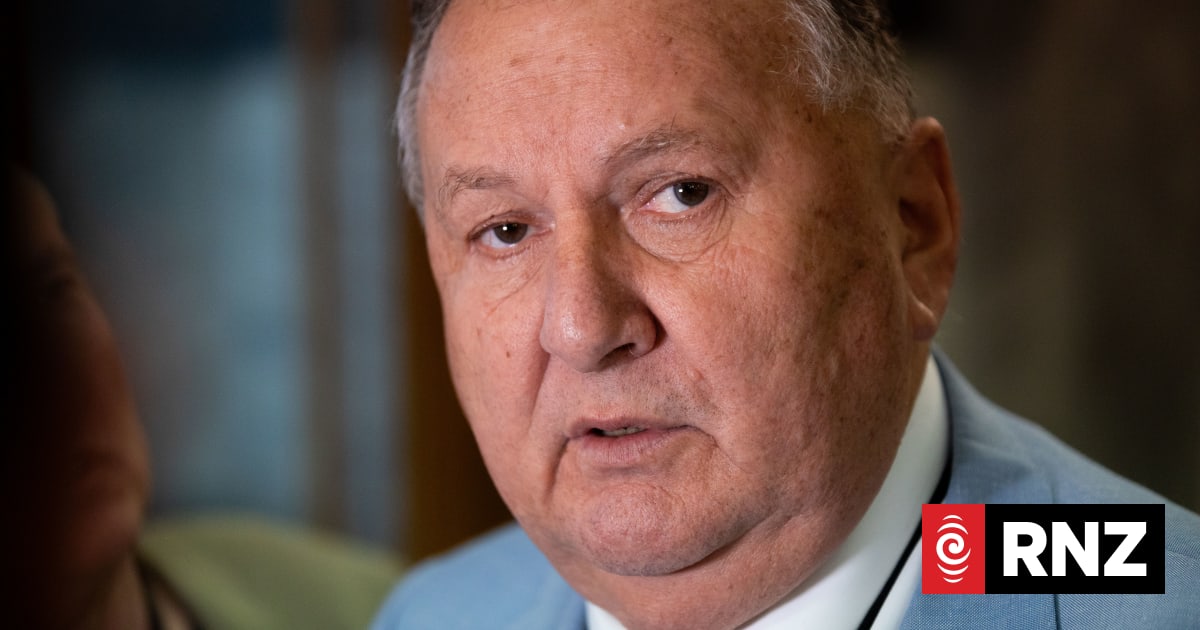
The government has announced plans for a new commercial oyster farming facility in Kaipara.
It comes as wastewater flowing into the Mahurangi Harbour near Warkworth has been plaguing oyster farmers’ ability to harvest.
At Pahi in Kaipara on Thursday, Oceans and Fisheries Minister Shane Jones said the government would commit $2.8 million from the Regional Infrastructure Fund to establish a three-hectare oyster farm at Kaipara Harbour.
The investment would also go towards building a six-hectare relay site and oyster farming infrastructure, including vessels, moorings, and marine assets required to operate the facility.
“Mahurangi oyster farms produce around a quarter of New Zealand’s oysters but recurring closures due to water quality issues have disrupted harvests and put significant costs and stress on growers and the community,” Jones said.
He said during closures, Mahurangi oysters would be relocated and naturally purified at the Kaipara facility until they could be harvested.
“There is so much valuable product that cannot meet the threshold of food safety, and this is an option to solve that problem.”
Watercare compensated ten farmers after a sewage spill into the Mahurangi River contaminated tens of thousands of oysters in October 2025.
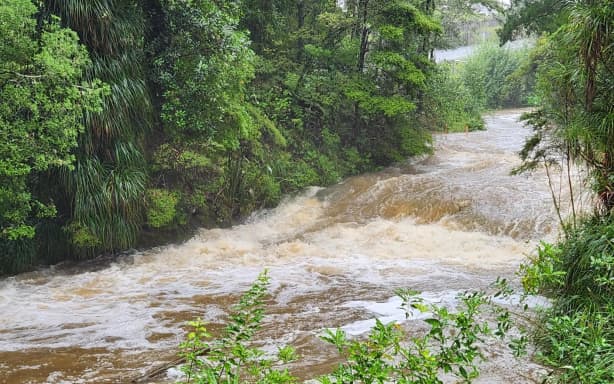
The Mahurangi River. (File photo)
Lucy Xia / RNZ
Frequent closures due to wet-weather overflows in the harbour have also disrupted harvests.
Jones said a solution was long-overdue.
“Mahurangi oyster farmers have suffered egregiously. It’s common sense. It’s using two harbours to create one high-value, safe product. New Zealand-grown oysters.
He did not rule out completely shutting the Mahurangi Harbour for oyster harvesting, but hoped it would not come to that.
“No one’s saying immediately abandon the Mahurangi Harbour, but there has got to be an option when the harbour is closed.
“Auckland is expanding. Warkworth has intensified. The water-based waste infrastructure can’t keep up.
“But Watercare are confident that they have a medium to long-term solution. I’m confident that if you can grow oysters in and around the rivers around the city of Sydney, New South Wales, we can do it here.”
Watercare had previously announced it was putting $450 million into improving the wastewater system in Warkworth and curbing wet-weather sewage overflows into the Mahurangi River.
Despite the approaching general election, Jones was confident the project would have cross-party support.
“This proposal has been under development for many months, well before the electoral period of restraint.
“I’ve got no doubt that future ministers will continue to implement this initiative because it boosts exports, it’s creating local jobs. What the hell’s wrong with that?”
Jones confirmed the government funding was a repayable grant, with the money to be paid back if the project generated sufficient revenue.
The project was a partnership with local hapū Te Uri o Hau Settlement Trust and the Mahurangi Oyster Farmers Collective.
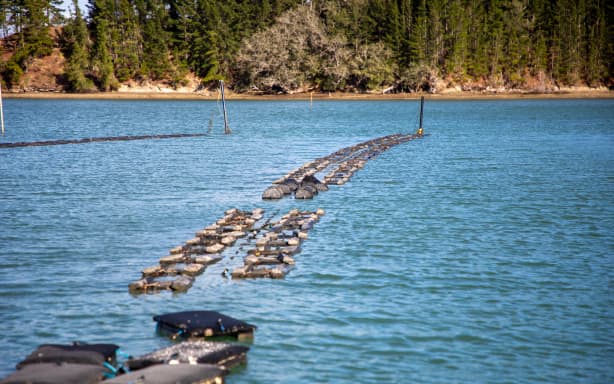
Mahurangi oysters. (File photo)
Nick Monro
Te Uri o Hau Chief Executive Rhys Maukau said the collaboration would help them grow oysters for the commercial market.
He said experienced Mahurangi oyster farmers would mentor them.
“Our people for centuries have been collecting kaimoana and using it to sustain us and our marae and our communities. But as an iwi organisation we haven’t yet stepped into the world of aquaculture.
“This partnership affords us access to experts in this thing called oyster farming. We’re experts at eating them [oysters] and collecting them for our different kaupapa and marae, but this concept of farming them for the commercial market is a new venture for us.
“We get a front-row seat to a variety of experts who are doing things in different ways and the chance to tap into that knowledge and apply it at our own location.”
Manukau said the site’s construction would happen over the summer.
Mahurangi Oyster Farmers Association chair and Lynette Dunn called the funding a “major turning point”.
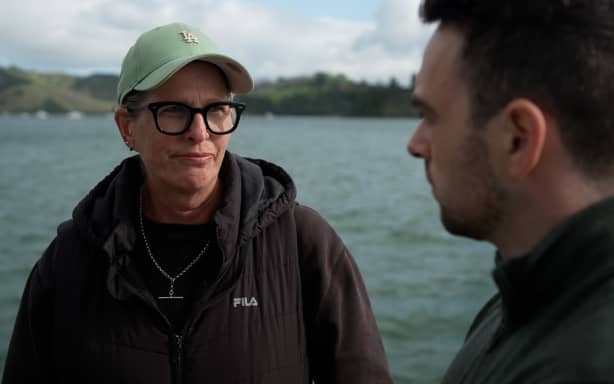
Lynette Dunn. (File photo)
Nick Monro
“A year ago, oyster farmers in Mahurangi Harbour were struggling to see a way forward,” she said. “We needed a solution that would help secure our businesses and create opportunities for future generations who may one day want to own and operate oyster farms in the Mahurangi.
“Rather than allowing the challenges in Mahurangi to define our future, we’ve taken action. By establishing a presence in the Kaipara, we’re creating greater certainty for our farmers when Mahurangi comes under pressure.
Matakana Oysters owner Tom Walters said he was not involved in the project.
“I am focused on keeping the Mahurangi Harbour as healthy as possible and won’t be involved in this partnership on the Kaipara, but wish those who are all the best.”