
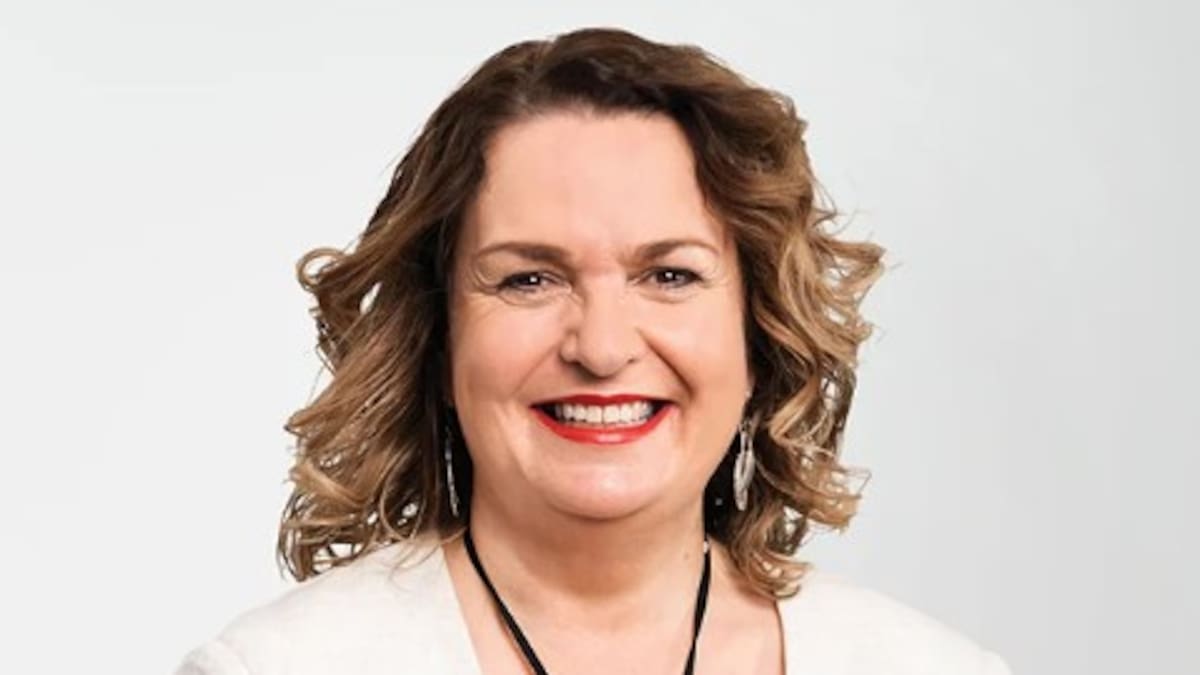
Why should we pick you?
Because I’m a local. I’m passionate. I love this city. I’ve been a minister. I know how to get things done. I’ve been a leader in other things outside of politics, so I know how to bring those things [from] that perspective to this position as well.
What motivates you to get up every day for work?
People. Anything to do with people motivates me, from all demographics. I love working with people. I love having the opportunity to meet people. I love those conversations. But I love being able to work towards better outcomes for everyone in this. I’m passionate about this country and I want to see Tauranga thriving to be a leader in this country. We already are, but I know we can be better. So that’s what gets me up every single day.
What are your strengths?
When people ask me this, I always go back to the fact that I love people. And I think interacting with people is something that is a real strength of mine. It doesn’t matter what demographic they come from. I was principal at Merivale School. Merivale was then what we called a decile 1. So I was able to work with people and connect with people that came from some pretty traumatic backgrounds, many of them. But I will also easily go into conversations and have relationships with people that are from other demographics as well. I love diversity. So that is a real strength of mine.
What are your weaknesses?
Sometimes believing in myself. I have this voice that sits inside my head that says maybe I’m not good enough. This imposter syndrome with a major capital I at the beginning of it. And that would be a real weakness. I’ve got to stop listening to that voice.
Tell me about your greatest professional achievement.
There’s quite a few of them. I go back to the times when I was minister and some of the pieces of legislation that we were able to get through. But one of the pieces of legislation that I got through was something that people didn’t think we would get across in the order paper.
When I came in as Minister of Internal Affairs, there was a bill called the BDMRR [Births, Deaths, Marriages and Relationships Registration] Bill. It had become quite controversial at select committee. I was told perhaps we should get rid of the bill. I said, let’s take the controversial part and put it back to select committee, bring it back after it’s been to select committee and see whether we can pass it at that stage. And we were able to pass it. And that made a big difference to a very small group of people, but it still made a big difference to their lives. It’ll be something that I’m always really, really proud of.
Tell me about a time where you failed or made a mistake and how you handled it.
So when I was in my last year of being a minister in 2023, I was taken to privileges committee. And I was taken to privileges committee in Parliament because I had given an answer in the House “no”, and the answer turned out that it should have been “yes”. It was about, had I directed officials to withhold data? And I said no, because I hadn’t personally done that. But someone from my office had sent an email, one of the people that worked for the Ministry of Education. As a leader, you have to take responsibility for that. And I didn’t correct the answer, and so I was taken to privileges committee.
It turned out that I wasn’t in contempt of the House, but they questioned the fact that I didn’t follow the right procedures. And I take that on board and I said at the time, ‘Look, I apologise, I should have done that right’. It was a big issue for me personally, but how I dealt with it was to apologise when I realised that the issue had happened. Look, you can’t go backwards, you can only go forwards and you have to learn from your mistakes. And that’s something that I’ve applied to all areas of my life. We all can beat ourselves up if we want to, but I just won’t beat myself up about anything. I’m just going to learn going forward.
What strategies do you use to manage stress?
I get really stressed. So I have that imposter syndrome voice that goes on, so I do get really stressed. But I do manage stress through mindfulness and meditation. Sometimes I forget and I get myself even more stressed, but when I get to that point, then I come back into it. I had a really terrible time in 2023 because I was also going through menopause and anxiety, which I’d never really gone through anxiety before, but anxiety really came to the fore and it was pretty dark there for a while for me. What got me through was using mindfulness techniques, but also talking about it to people and being really open.
And that’s why I have no worries about talking about that to people now. I’m perfectly fine now. I know how to manage that. I know how to deal with anxiety and I don’t really feel it the same as what I was back in 2023.
Where do you see yourself and Tauranga in five years?
That’s a good question because I am 58 now and so in five years’ time, you know, I’m going to be 63, but I do feel that there is a place for all demographics in this city. So I do feel that we need to encourage young people on board, but I still think that the experience is really important.
So whether I’m still in politics because, you know, I’m at the behest of an election, so whether that happens or not, I don’t know. But I still want to be giving back to this city. And that’s really important. It doesn’t matter whether I’m going to be in politics or not, I’ll be always doing my very, very best to give back to the city and to use my skills and expertise in that way.
Tauranga electorate itself is right on this precipice at the moment of absolutely shining. You can see that with what’s happening downtown and, you know, I went to the opening of the library, the He Puna Manawa, the other day and oh my goodness, that is like something out of this world. And I have to say that I had a few tears that were welling up because I felt like our city was growing up.
And I think that there’s been a little bit of negativity about what’s happening downtown, but I think that we’re going to see in the next five years that things start turning a corner and we’re seeing that now. You know, we’ve got all the infrastructure, as in aspects of the port, the big port servicing, we’ve got horticulture servicing into the city, we’ve got businesses that are starting to come here. So we have got so much potential and you can just see that the city’s starting to realise that and grow up around that potential. So I’m really excited for what’s happening.
What is one thing for Tauranga people your party would do in the first 100 days of Government, and how would you achieve this?
Right, so it’s not specifically Tauranga… but it’s an impact on people, huge impact on people in Tauranga. And that’s around the pay equity and the equal pay legislation around getting that back in track. Now why I say it has a huge impact is because it’s only two weeks ago that I was talking to a number of people in this situation who said that their pay equity claims had been cancelled and that they hadn’t had pay rises and that they were now having to go and rely on food banks and other sources of community support to just survive with their families.
We’re going to see that a fair pay equity settlement across particularly care and support workers is going to make the biggest difference to those people who will be able to invest that money back locally here in Tauranga. I think people forget that people who get that money invest it back into their local communities. I’m really excited that we can do that. We’ve got that instant $4 an hour for our care and support, that would be instant in [January] to help them and then we will be working through on getting the rest of the settlement. Investing that money back into the community will make the biggest difference.
What two policies would make the most difference to people in your electorate and why?
This is a cost-of-living election, and so we know that, and a health election at the same time because we’ve seen the cracks that are happening. So one of them that I will talk about covers both and that’s the three free doctors’ visits. We’re using the proceeds that are coming through from capital gains tax directly into health, so everything will go back into the health system. And one of those is around ensuring that everyone will get three free doctors’ visits. That will be important because I’ve been in a situation where parents have had to decide whether they take people to the hospital or to the doctor, whether they go themselves because they can’t afford for them to go themselves. We need to ensure that everybody can get there and has that access to proactively keep them well so that it’s taking the stress off the hospital system.
The other one of course in the health system is every graduate nurse getting a job. I was experiencing the emergency department at Tauranga Hospital myself. People there are amazing, but I was waiting for six, seven hours just to be seen after I’d been triaged, just to be seen. We shouldn’t have it like that. And part of that when I went through and talked to people they said we just don’t have the staff. So ensuring that every graduate nurse gets a job will make a big difference to our hospital and our health system.
You are stranded on a desert island and can only bring one luxury item – something not vital for survival. What do you pick and why?
Okay, so it would have to be, I think, strawberry matcha. I would have to take strawberry matcha. I have to have a strawberry matcha every day. I am addicted in a major way, and I love it, and I would be absolutely devastated if I couldn’t get my strawberry matcha.
Bijou Johnson is a multimedia journalist based in Bay of Plenty. A passionate writer and reader, she grew up in Tauranga and developed a love for journalism while exploring various disciplines at university. She holds a Bachelor of Arts in Classical Studies from Massey University.