
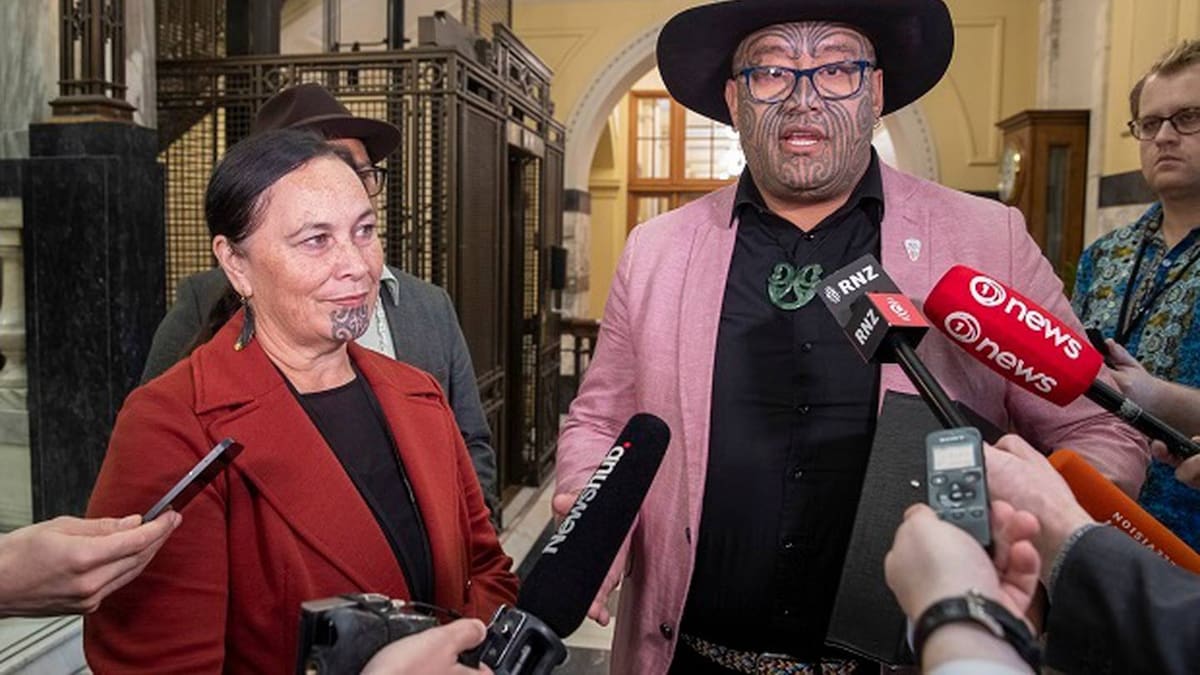
The party was engulfed by bitter internal conflict involving MP Mariameno Kapa-Kingi and party leadership. After she was expelled, the High Court ruled the decision unlawful and ordered her reinstatement, finding the party had failed to follow its own constitutional processes. The dispute exposed serious fractures within a party that had increased its parliamentary representation from two MPs to six at the 2023 election.
“Te Pāti Māori has had a shocking term with conflict and disagreement within their own party. It’s hard to see them working well with others when they cannot even work together as a party,” said a utilities boss.
An energy CEO countered, “To be fair, they are taking the bait from Act, but leadership and rising above it would possibly be a better strategy.”
The controversies have overshadowed the party’s policy agenda. Business leaders gave low weighted-average ratings to its major tax proposals, using a scale of one to five.
Making the first $30,000 of income tax-free was the highest-rated policy, at 2.26. Taxing profits transferred offshore scored 2.01, while a ban on seabed mining received 1.86. A proposed company tax increase to 33% scored 1.33. A wealth tax on net assets above $2 million averaged 1.28, while new top income tax rates of 39%, 42% and 48% received the lowest rating, at 1.23.
Entrenching Te Tiriti o Waitangi and prohibiting Cabinet decisions that breach it scored 1.43, while a proposed Te Tiriti commission to enforce Treaty obligations averaged 1.36. One respondent warned the programme risked driving investment, employers and capital offshore, describing it as “too much tax, too much state, too much constitutional engineering”.
The results suggest Te Pāti Māori has yet to persuade business leaders that its economic and constitutional ambitions can translate into workable policy and stable political partnerships.