
Immigration New Zealand last year had 45,000 working holiday applications, with 98% approved.
“A lot of the people come directly out of Europe,” Alpe said.
He said Scandinavia, Germany and Britain were major sources.
“The one thing about working holiday visas [WHV] is a lot of the people who come here, they do the hospitality jobs.
“They stay for a minimum of a year mostly; they work in different regions.”
He said Lylo had its own WHV programme but other visa recipients worked in horticulture and across the tourism sector.
“They’ll go into the Far North, Bay of Plenty, they’ll do fruit-picking.”
Alpe said although Kiwis had valid concerns about the cost of living, the current exchange rate made New Zealand an affordable destination for many people.
He said before Covid, New Zealand was issuing about 60,000 WHVs a year.
New Zealand has WHV agreements with 43 countries.
Canadians aged 18 to 35 can stay in New Zealand for up to 23 months on a WHV.
People from Britain in the same age range can stay for up to three years.
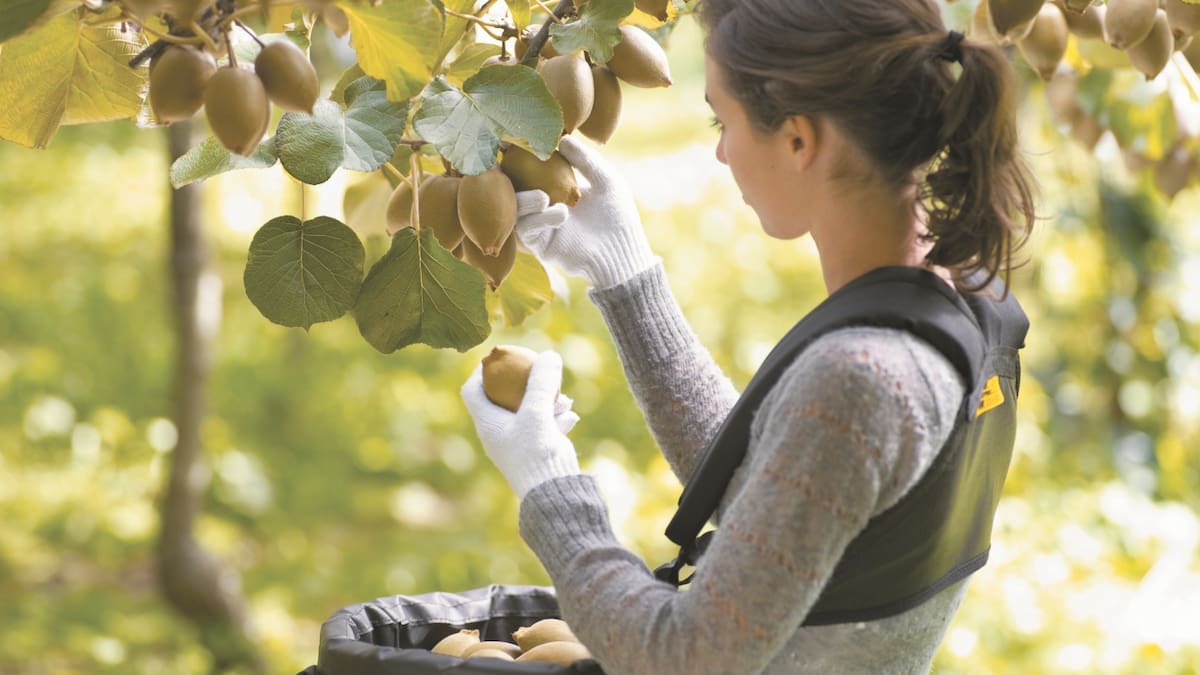
Young adults from more than 40 countries can apply for working holiday visas, and an accommodation provider says many of them work in horticulture and hospitality.
Alpe said historically many WHV applicants were younger than 30, but more people in their 30s were now applying.
“I threw out the idea last year, why don’t we extend it to 50?”
He said changing lifestyles and the reality of post-Covid work meant more people older than 35 were considering working holidays.
Alpe said today’s backpacker could be the bigger-spending tourist of the future.
“They come here, they might do a year, two years, three years. Eventually they’ll come back with their families.”
A backpacker aged 25 told CNN the proposed ballot was a concern, adding: “Everyone is stressing out”.
According to the ABC, Tourism Tropical North Queensland said the industry in northern Australia wanted the Government to scrap the changes.
Hospitality company Crystalbrook Collection chief executive Geoff York told the ABC many workers in Australia would not risk trying the proposed ballot.
“It’s a one in six chance that you’ll qualify, so that’s not good.”
“The visa slash isn’t just bad news for backpackers,” Time Out magazine said.
“It’s a major concern for tourism, hospitality and farming businesses, particularly in regional Australia.”
Time Out said British backpackers would be exempt from ballot caps because of the Australia-UK Free Trade Agreement.
John Weekes is a business journalist covering aviation. He also has experience covering consumer affairs, crime, politics and courts.
Stay ahead with the latest market moves, corporate updates, and economic insights by subscribing to our Business newsletter – your essential weekly round-up of all the business news you need.