
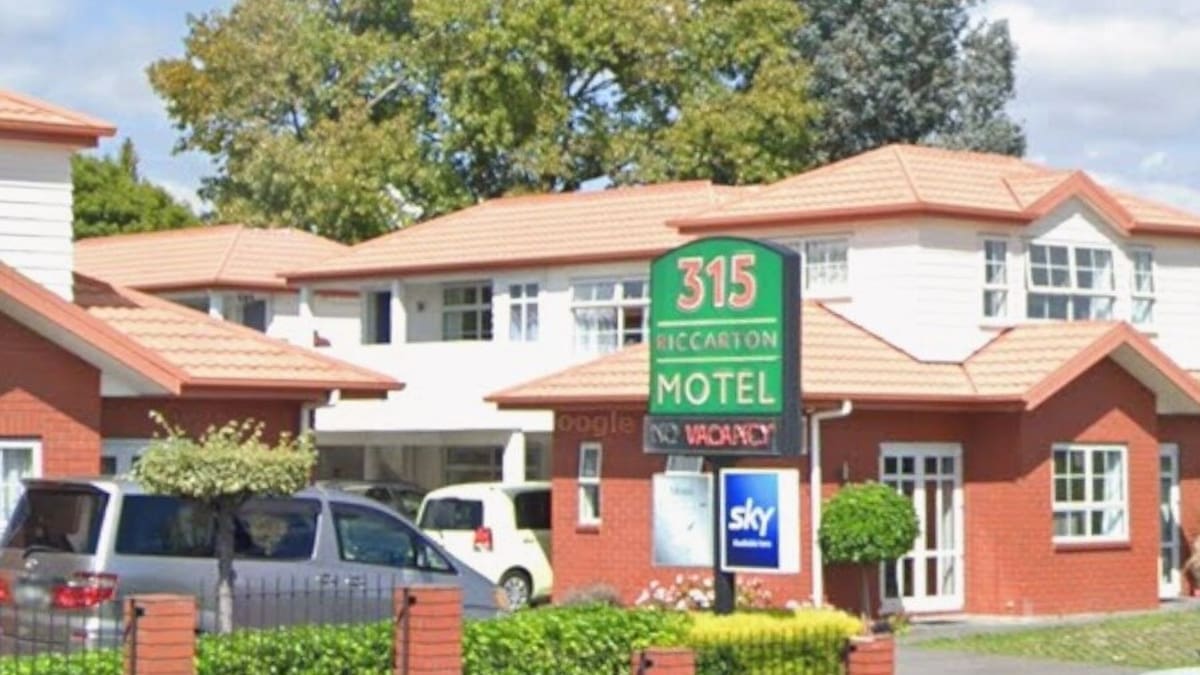
“They were essentially running the motel from morning until night, seven days a week, while being paid for only a fraction of the hours they worked.
“That’s simply not acceptable. No one should be expected to work those kinds of hours without being paid properly.”
The workers were required to live on-site and run the motel operation, including staffing reception from 7.30am to 9.30pm daily.
“Despite working between 84 and 98 hours each week, they were generally paid for only 40 hours.”
The workers, three of whom remain in New Zealand on valid work visas and a fourth who has left the country, were also denied minimum wage and Holidays Act entitlements, including annual holidays and time-and-a-half for working on public holidays.
A request by Li’s lawyer for community detention, instead of home detention, was rejected because of the “seriousness of the offending”.
Law protects ‘all workers’
Migrant workers had the same workplace rights as anyone else in New Zealand, and breaches harmed workers and disadvantaged honest businesses, Perry said.
“Employers shouldn’t be able to gain a financial advantage by cutting corners and exploiting their staff … employers who take advantage of workers who rely on them for both their job and their right to stay in New Zealand will be punished.”
Reparations were important but didn’t undo the impact on the victims, he said.
“They spent years working excessive hours without receiving their full pay and entitlements.”
Anyone experiencing or aware of migrant exploitation should report it, Perry said.
“All workers in New Zealand, regardless of where they are from or what visa they hold, are entitled to the minimum rights and protections provided under New Zealand law.”