
Reading Time: 2 minutes

Initial price surges and extreme volatility in the wool market are leading some Indian processors to re-assess their New Zealand wool component while also considering other means of locking down price and quantity.
Just a year ago, the NZ wool market broke through the $4/kg mark for the first time in almost a decade, rocketing to $5.30/kg by February, $6.30/kg by May, and peaking at $7.60/kg in late June, only to drop 62c/kg in one auction and now sitting at about $6/kg.
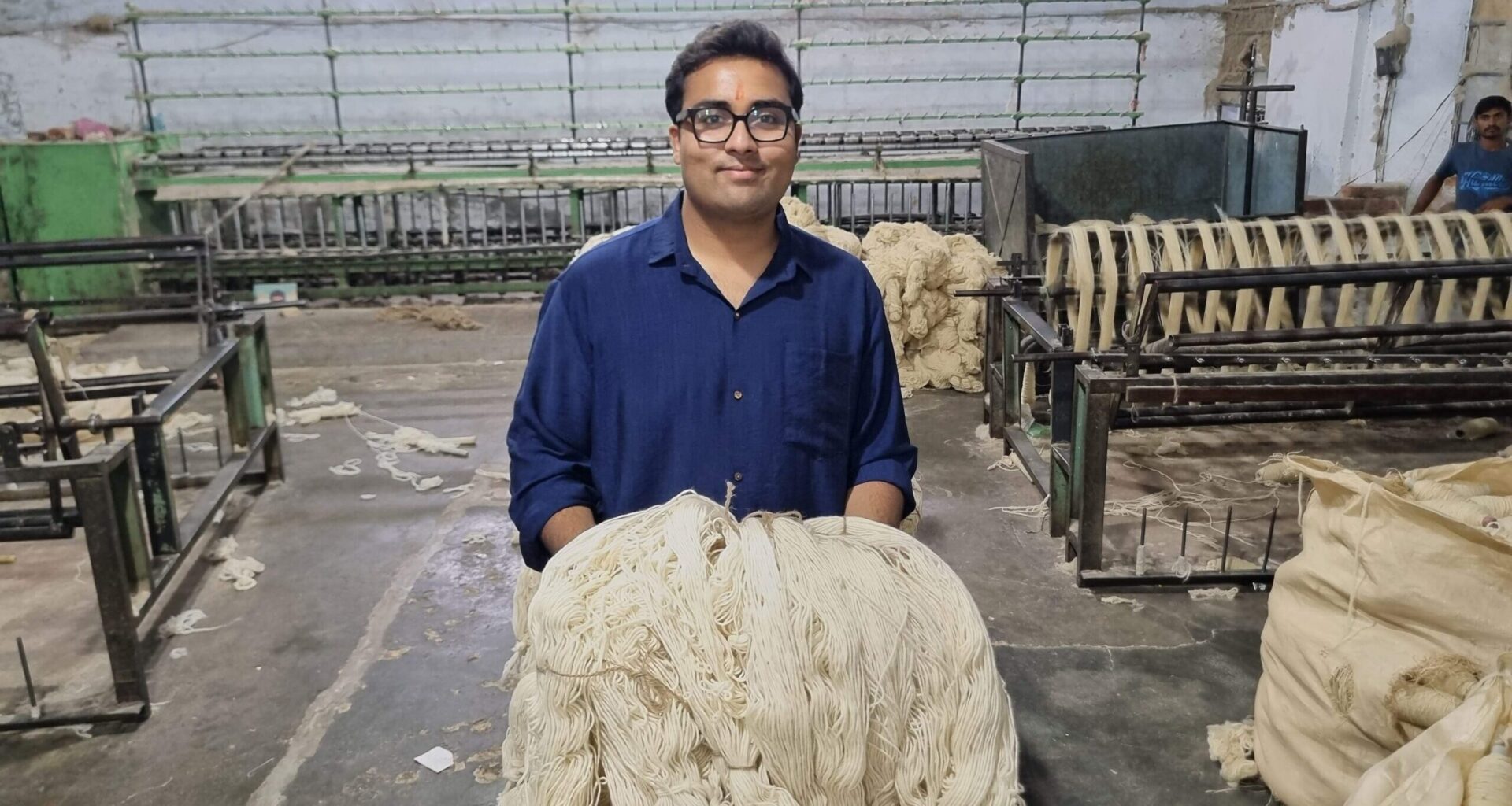
For Mohit Sipani of woollen yarn company PH Group based in Bikaner, Rajasthan, the movements have left his company reassessing its average use of about 200 containers’ worth of NZ wool a year.
The fourth-generation family firm accounts for 20-25% of the strong wool supply to India and is one of the country’s largest woollen yarn manufacturers. It has long been a client of Wools of New Zealand.
“The price lift has meant the amount of wool we have used that is out of NZ has dropped back. Maybe where we used 100kg of NZ wool, it has dropped to 40kg with the gap replaced by Middle Eastern or Chilean wool that is about half the price.”
However, with this come greater preparation costs to get the wool machine ready, “whereas with the NZ wool, we can drop it straight into our machines”.
Sipani said processors often take the flak for squeezing down prices paid, but prices are determined by retailers of the final item, often earning 30% plus premiums on their final retail price.
“We would have no issue paying even $10/kg for NZ wool, if the carpet buyers would adjust their retail values accordingly.”
He acknowledged the quality of NZ wool and its deserved premium but wants to see some means to negotiate the volatility out of prices.
Along with other processors he is working with Wools of New Zealand on contract options to achieve that. He is also keen to see closer relationships with NZ farmers, believing they have been cut out of the production process through the auction system.
“It is hard for farmers, though, whereas we have choices for our wool sources.”
Moves to make wool more traceable are being driven largely through the European Union, with the “Green Deal” a key catalyst.
“But the EU is still only 30% of our market. The United States is 60% and they are only worried about pricing at present. Their big outlets are not asking much yet about traceability.”
Sipani said price remains king, with few customers prepared to pay a premium on the likes of Responsible Wool Standard certified wool.
He did, however, note that NZ’s Farm Assurance Programmes “plus” level looks a promising alternative.
Rennie travelled to India with assistance from the Asia-New Zealand Foundation, Zespri and Wools of New Zealand.