
Follow us
Add us as a preferred source on Google
Newsletter
Subscribe to our newsletter
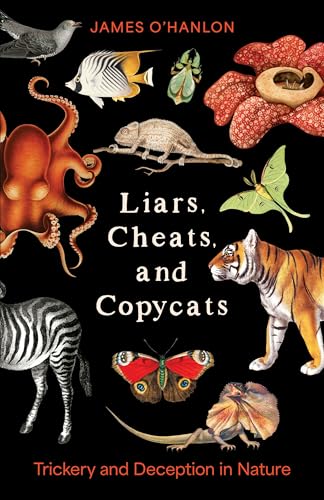
Most deception in nature happens without much awareness from the creature involved. From a moth that has evolved to look like a hornet to orchid mantises that mimic flowers to lure in pollinators, deception is part of these animals’ nature. But in his book “Liars, Cheats and Copycats: Trickery and Deception in Nature” (Columbia University Press, 2026), biologist James O’Hanlon turns to tactical deception aimed at manipulating what another animal believes — and whether we can consider this as lying.
Live Science spoke with O’Hanlon about his book, and why so many scientists are reluctant to say “yes, animals can lie.”

James O’Hanlon is the author of “Liars, Cheats, and Copycats: Trickery and Deception in Nature.” He is an award-winning science communicator. He has published more than thirty academic papers, and his popular science writing has appeared in ABC News (Australia), Australian Geographic, The Conversation, and Biosphere Magazine. He is the author of “Eight-Legged Wonders: The Surprising Lives of Spiders” (2024).
You may like
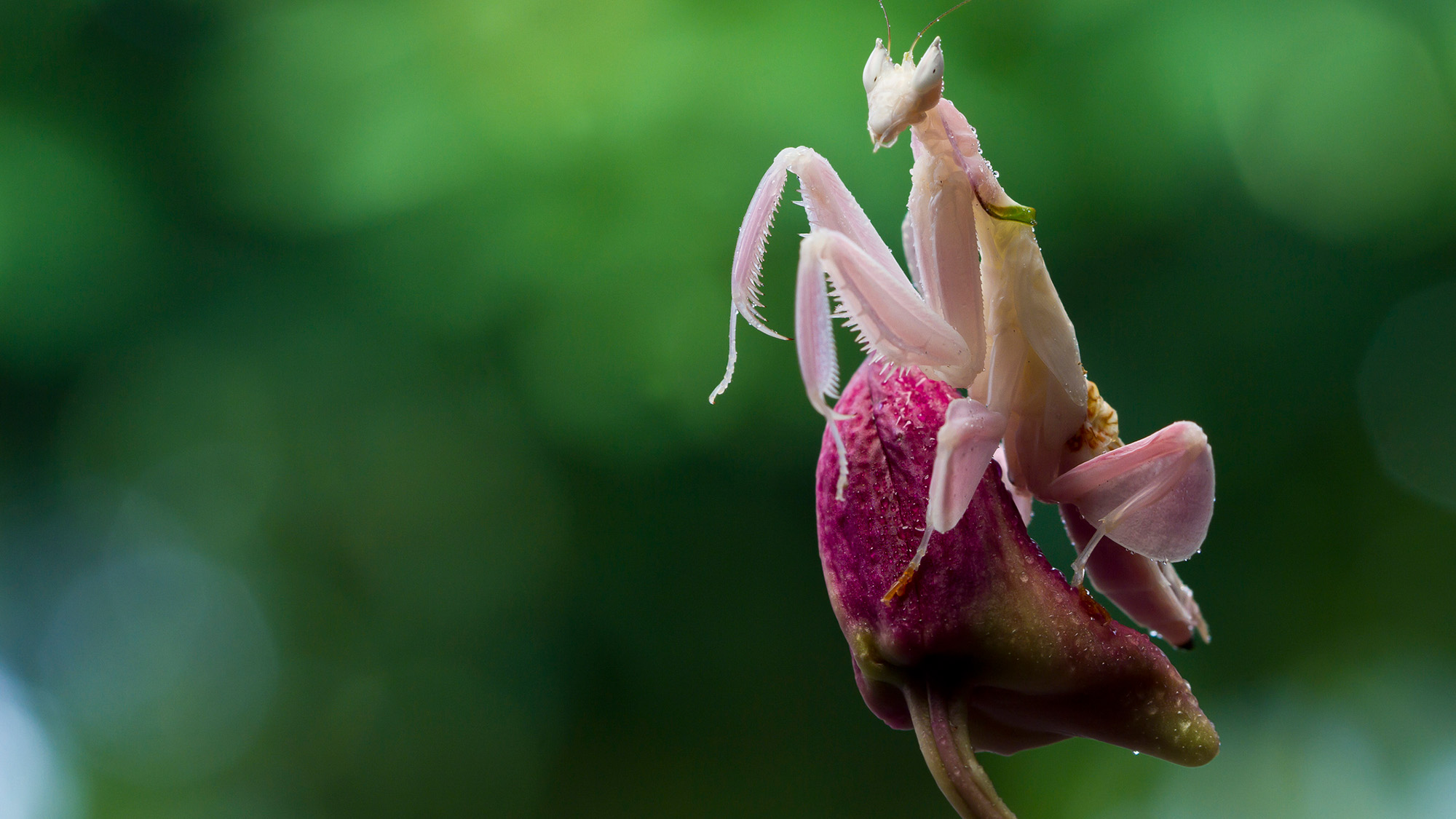
The Pink Orchid Mantis (Hymenopus coronatus) is an insect that uses camouflage as a form of protection in the wild.
(Image credit: halimqomarudin via Getty Images)
What to read next
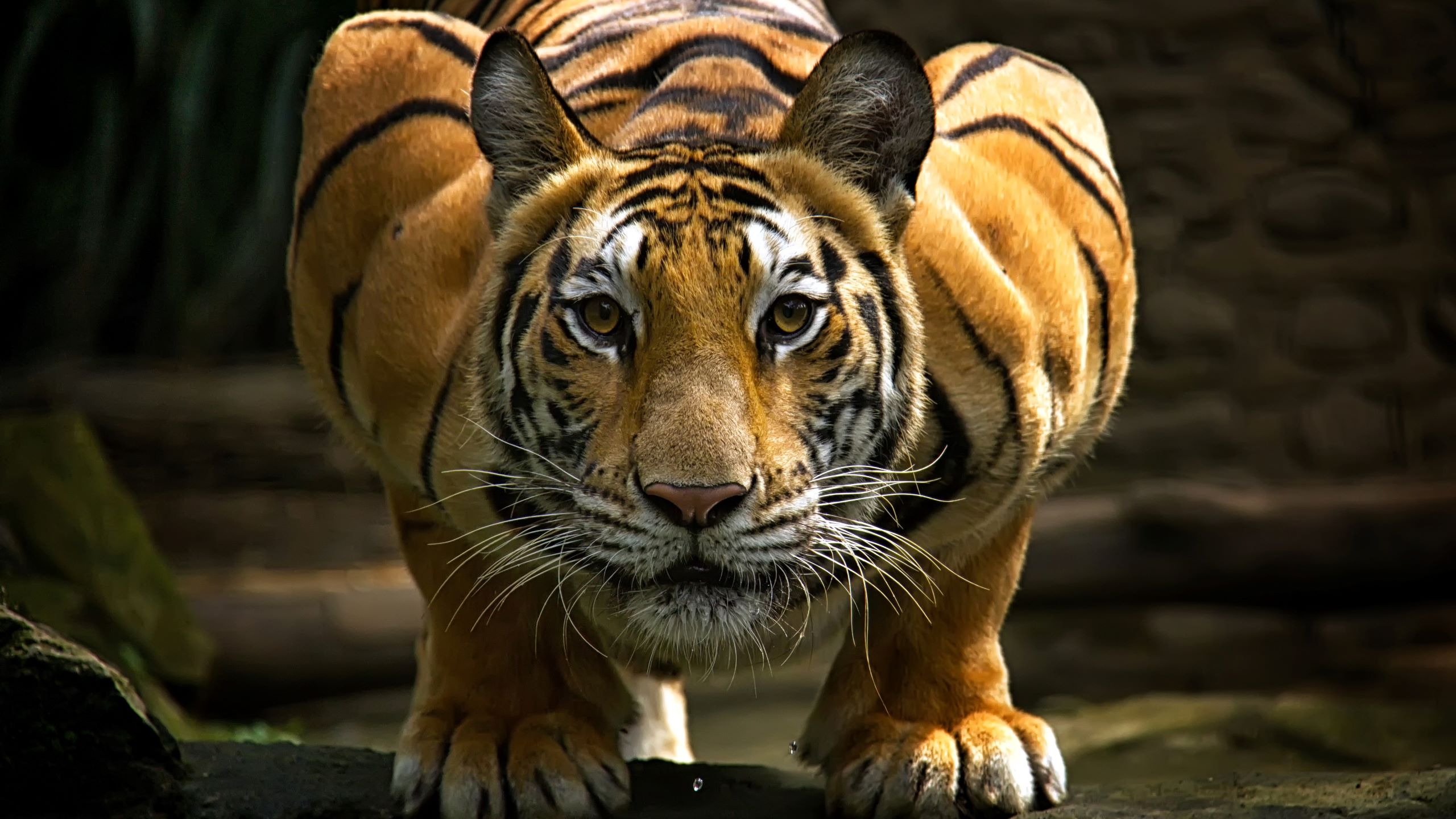
Tiger stripes are a type of camouflage.
(Image credit: Yudik Pradnyana via Getty Images)
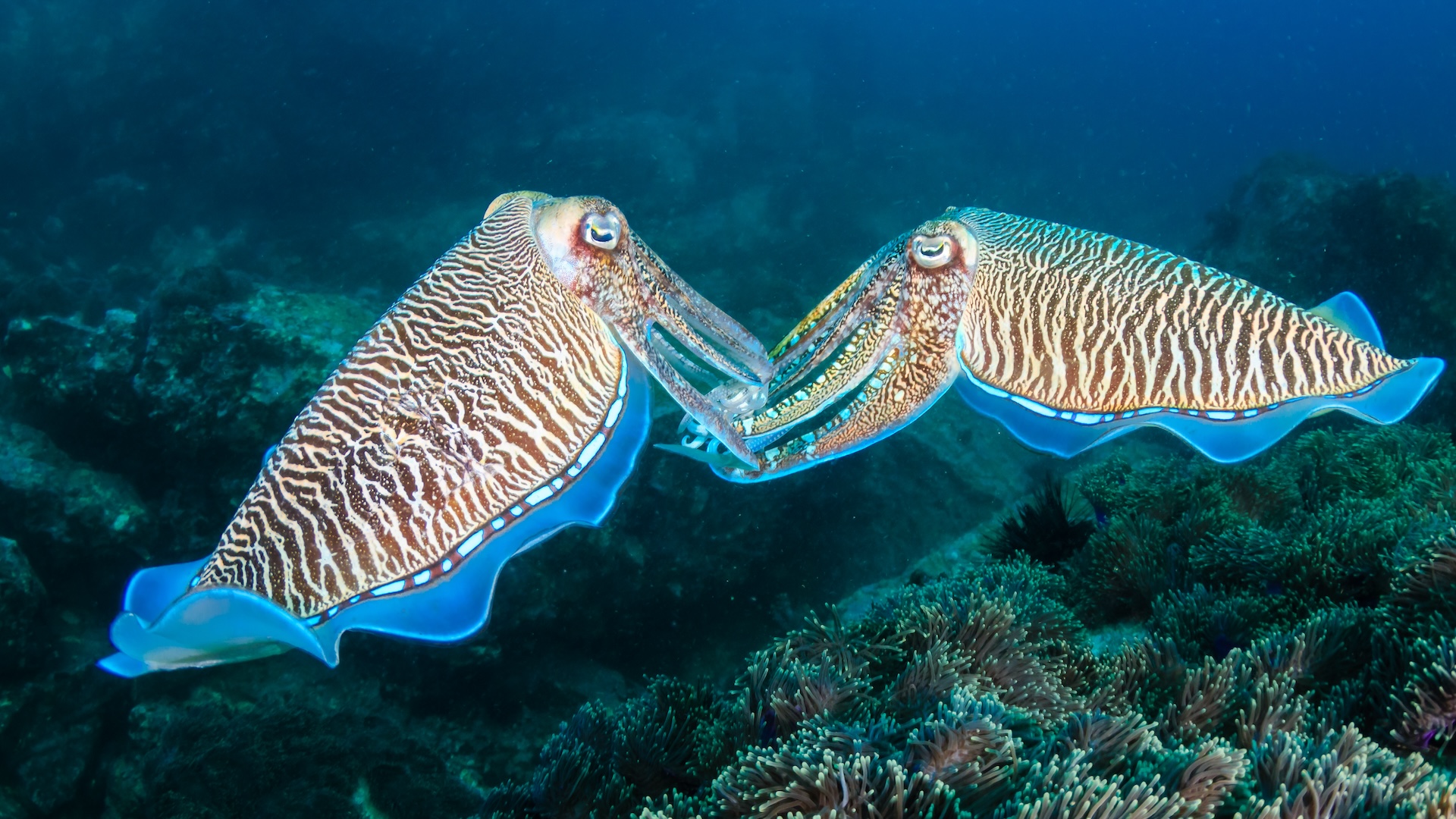
Male cuttlefish can change their body pattern to trick competing suitors.
(Image credit: WhitcombeRD via Getty Images)
Exclusive to Live Science Pro
This interview has been condensed and edited lightly for clarity.
greystonebooks
Liars, Cheats, and Copycats: Trickery and Deception in Nature
To understand how these creatures swindle their way to survival, Liars, Cheats, and Copycats reveals the science behind camouflage, mimicry, and masquerade. Taking readers on a journey from tropical rainforests to the darkness of deep ocean trenches, James O’Hanlon explores how animals and plants use deception to avoid predators, lure in prey, and even reproduce.