
 Andrew Lanxon/CNET
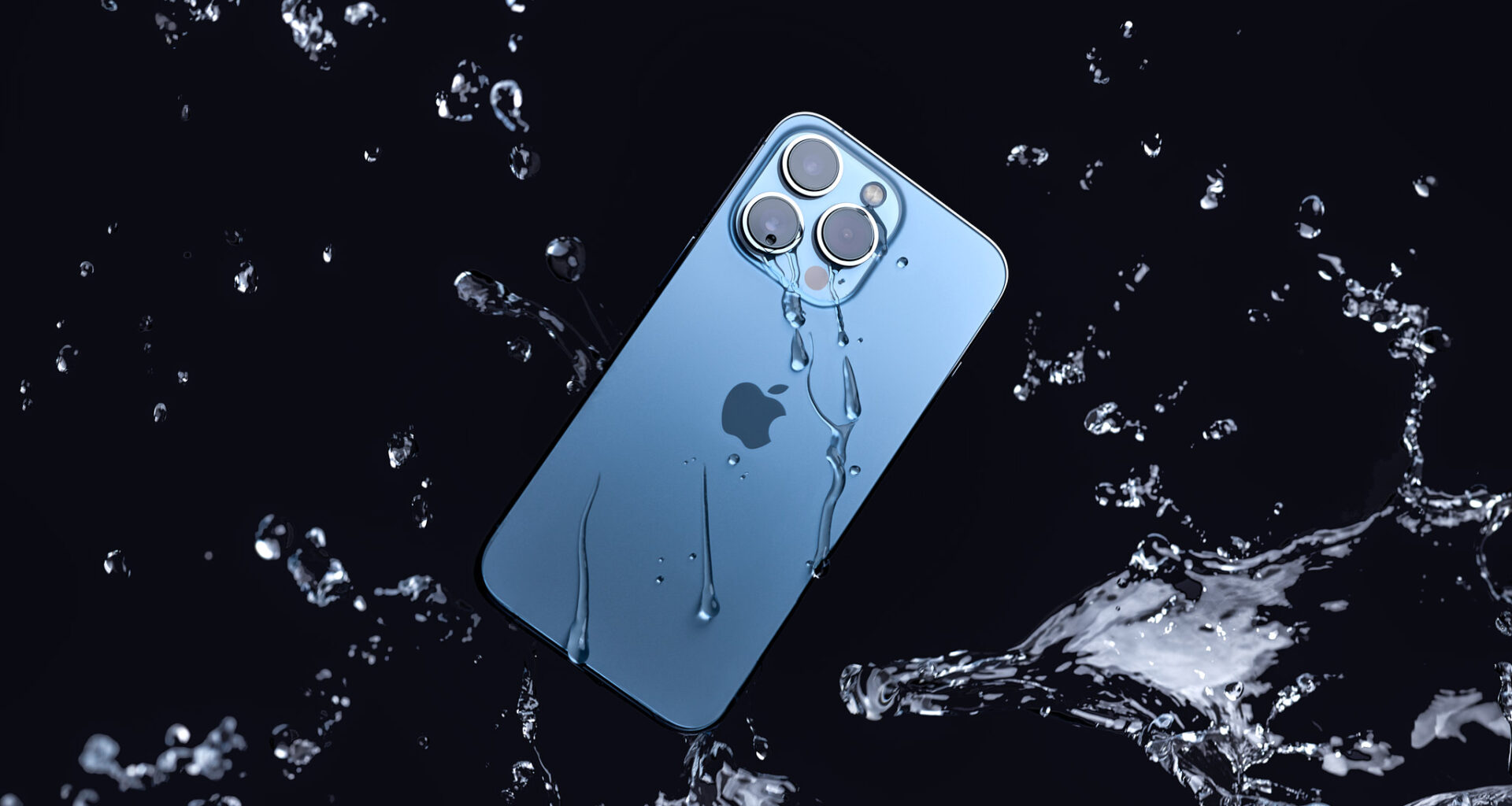
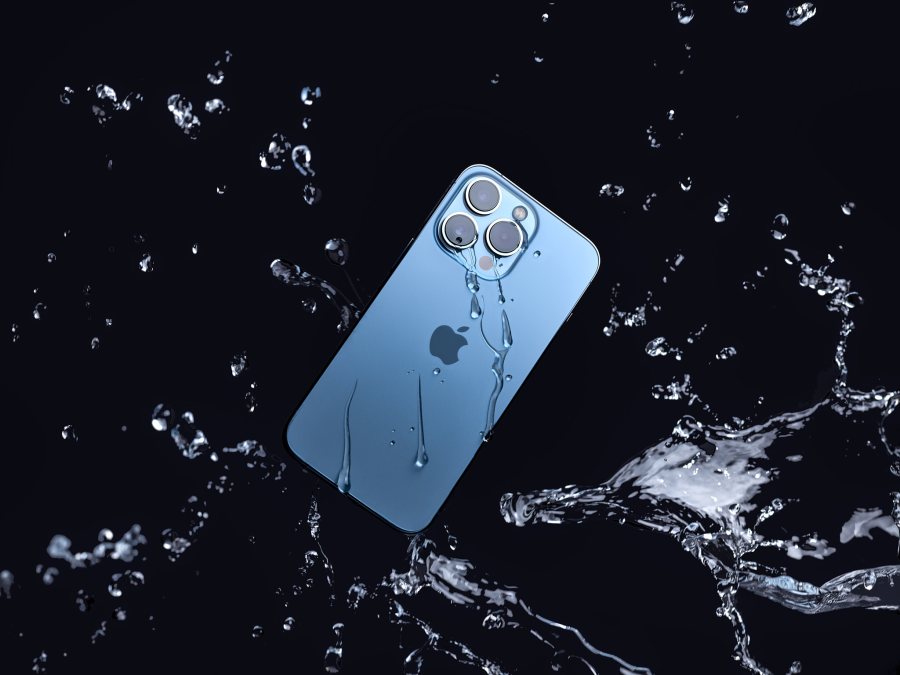
Water resistance matters. Just ask anyone who’s ever spilled a drink over their shiny new iPhone or Android phone. Mercifully, most of the best phones you can buy in 2026 — including the iPhone 18 Pro, Galaxy S26 Ultra or Pixel 11 Pro are resistant enough to water to allow them to survive being dropped in a toilet or used in the pouring rain. That liquid protection may well mean the difference between drying your device with a tissue and dropping big money on a flashy new handset.
Not all phones can withstand being fully submerged in water, though, and some still shouldn’t be near any liquids at all. And even if your phone claims that it can be dunked into water, you really shouldn’t take phones into a swimming pool and ocean swimming is completely out of the question, unless you’re using a water-tight case of some kind.
If you’ve shopped for a phone recently, you’ll have come across terms like “water resistant,” as well as the now common IP67, IP68 and IPX8 ratings. But what do those ratings really mean and, crucially, how waterproof is your expensive new phone?
Let’s break down the jargon and find out.
What do IP67, IP68 and IPX8 mean?
Ingress protection ratings (also known as international protection ratings) are a standard set forth by the International Electrotechnical Commission. According to the organization, the codes are designed as a “system for classifying the degrees of protection provided by the enclosures of electrical equipment.”
The first number in the rating code represents the amount of protection provided against the entry of foreign solid objects, such as sand or dust. These protection levels range from 0 to 6.
The second number represents the degree of protection against the entry of moisture or liquid, with protection levels ranging from 0 to 8.
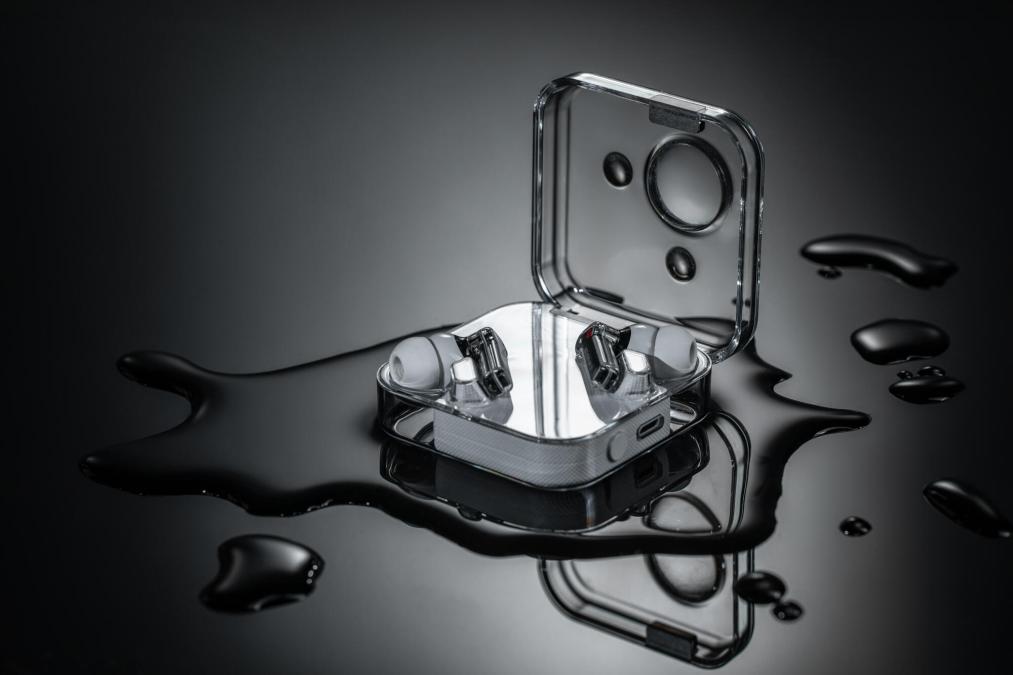
Nothing’s earbuds are IPX4 rated, which is enough to keep them safe from sweat during your workouts.
Andrew Lanxon/CNET
Sometimes you’ll see an IP rating with a number replaced with an X, such as IPX8. In this instance, a company hasn’t provided testing details so the rating number is replaced with an X. An IPX8-rated device can survive being submerged in water then, but it hasn’t officially been rated for any protection from dust or other particles.
The iPhone 18 Pro has an IP68 rating, meaning it’s protected from dust getting inside and can withstand being submerged in water. The Galaxy S26 Ultra is also IP68 rated. So they’re equally water-resistant, right? Well, no. That’s where it gets confusing.
For an 8 on the IP rating, the IEC demands a device can withstand being submerged in at least 1 meter of water for 30 minutes. Beyond that, it’s up to the manufacturer. The S26 Ultra can be submerged in up to 1.5 meters of water for 30 minutes, while Apple says the iPhone 18 Pro is safe in up to 6 meters of water for up to 30 minutes. So while any phone with an IP68 rating will have had to hit that 1 meter-30 minute minimum threshold, it’s important to check the fine print and see exactly what your phone offers.
For further details on all the IP ratings, you can see charts at the end of this article outlining the protection levels set by the IEC.
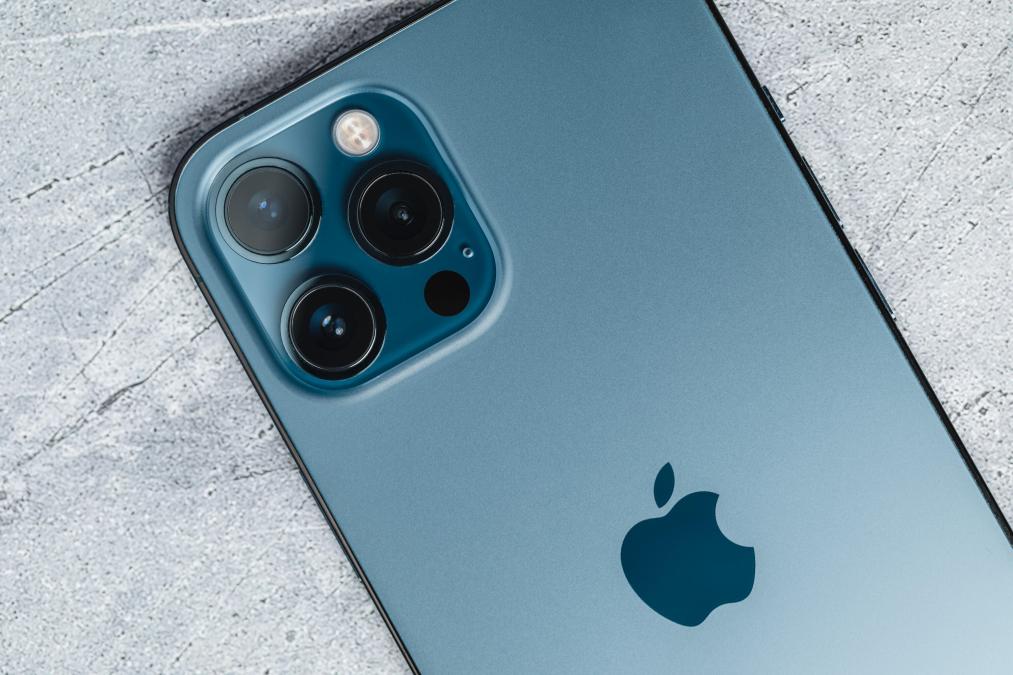
The iPhone 12 Pro Max can be submerged in water up to 6 meters deep for up to 30 minutes at a time.
Andrew Hoyle/CNET
Can I go swimming with my iPhone?
While the iPhone 18 Pro’s advertised 6 meters of water-resistance might make it seem like you can slip one into your swim shorts and hit the pool, you’d be well advised to leave it out of the water. The IP rating is tested in controlled, laboratory conditions — in water with no movement. Moving your phone in the water will add more water pressure, making it more likely that water could find its way inside and do irreparable damage to your phone.
The IP tests are also done using fresh water; most pools will have additional chemicals such as chlorine, which could make a difference to your phone’s resistance. And you should absolutely keep your phone out of the sea: Salt water could cause a lot of trouble, including degrading the metal parts in your charging port and essentially ruining your phone. The numbers are also based on new phones as it’s possible that the internal resistance — especially around ports and buttons — can degrade over time, reducing your phone’s ability to keep water out.
Even if your phone has the top IP68 resistance rating, it’s good practice to treat the feature as a safety measure in case of emergencies. Your phone is not designed to go snorkeling, so don’t try using the camera to snag pictures of starfish or whatever. Nor should you try to record TikTok videos of yourself jumping off the high dive into the deep end. It’s there for accidents like spilling a drink or emergencies like making a call in the pouring rain. Water damage isn’t covered by most warranties, either, no matter what IP rating your phone has.
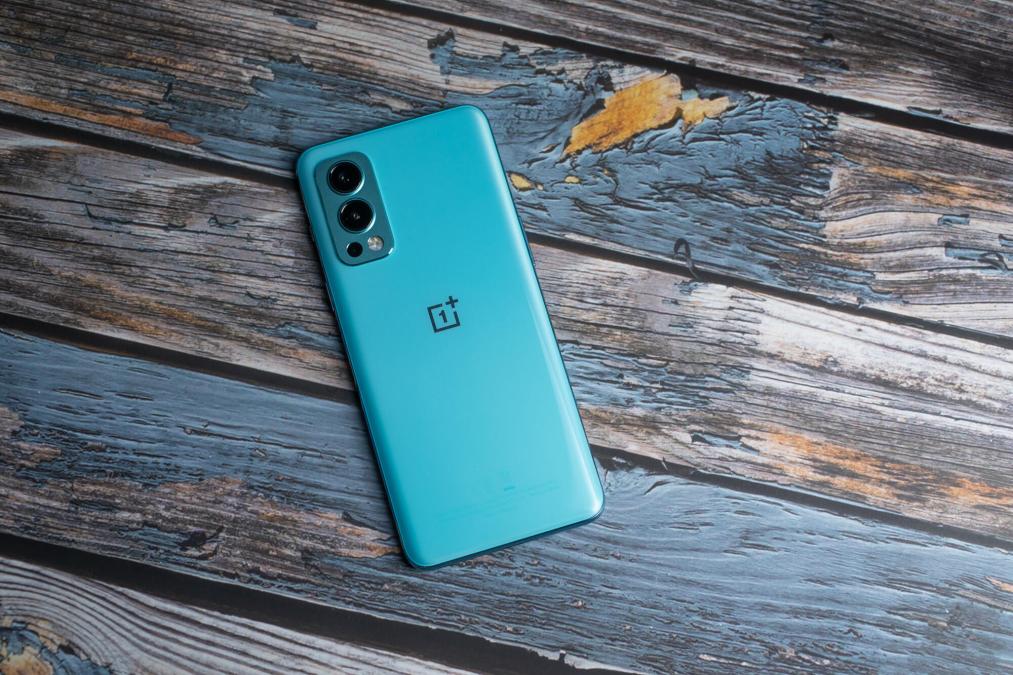
The OnePlus Nord 2 does not have any stated resistance to water — keep phones like this extra safe when you’re around liquids.
Andrew Hoyle/CNET
If you really want to film yourself in the pool, or capture clips of your snorkelling in the sea on your next holiday you should look towards dedicated action cameras like the DJI Mission 1 Pro which are designed specifically to be submerged in water while in use.
My phone doesn’t have an IP rating. Can it get wet?
For a company to advertise that its product has an IP rating at all, it needs to have undergone strict tests to ensure it meets the requirements. These tests can be time-consuming and costly, so it’s understandable that some companies simply don’t want to spend the cash, particularly with budget-focused models.
Some phones instead use terms like “water-repellent” or “water-resistant” without an official IP rating. These handsets may make use of methods like rubberized seals or water-repellent nano coating to keep moisture at bay. While these phones may well survive an accidental dunking, it’s worth keeping them safe from being fully submerged in water. But you shouldn’t need to worry too much about taking calls in the rain.

If your phone makes no mention of water resistance, then it’s best to assume that it has none and you should take as much care as you can around liquids.
Solid protection
IP CodeProtectionObject size0No protectionN/A1Protection from contact with any large surface of the body, such as the back of a hand. but no protection against deliberate contact with a body part, such as a fingerLess than 50mm2Protection from fingers or similar objectsLess than 12.5mm3Protection from tools, thick wires or similar objectsLess than 2.5mm4Protection from most wires, screws or similar objectsLess than 1mm5Partial protection from contact with harmful dustN/A6Protection from contact with harmful dustN/A
Moisture protection
IP codeProtectionTest durationUsage0No protectionN/AN/A1Protection against vertically dripping water10 minsLight rain2Protection against vertically dripping water when device is tilted at an angle up to 15 degrees10 minsLight rain3Protection against direct sprays of water when device is tilted at an angle up to 60 degrees5 minsRain and spraying4Protection from sprays and splashing of water in all directions5 minsRain, spraying and splashing5Protection from low-pressure water projected from a nozzle with a 6.3mm diameter opening in any direction3 mins from a distance of 3 metersRain, splashing and direct contact with most kitchen and bathroom faucets6Protection from water projected in powerful jets from a nozzle with a 12.5mm diameter opening in any direction3 mins from a distance of 3 metersRain, splashing, direct contact with kitchen and bathroom faucets, outdoor use in rough sea conditions7Protected from immersion in water with a depth of up to 1 meter (or 3.3 feet) for up to 30 mins30 minsRain, splashing and accidental submersion8Protected from immersion in water with a depth of more than 1 meter (manufacturer must specify exact depth)At least 30 minsRain, splashing and accidental submersion

Andrew Lanxon
Editor at Large; Lead Photographer, Europe
When he’s not testing the latest phones or phone cameras, Andrew can normally be found with his own camera in hand or behind his drums or eating his stash of home-cooked food — sometimes all at once.
See full bio