
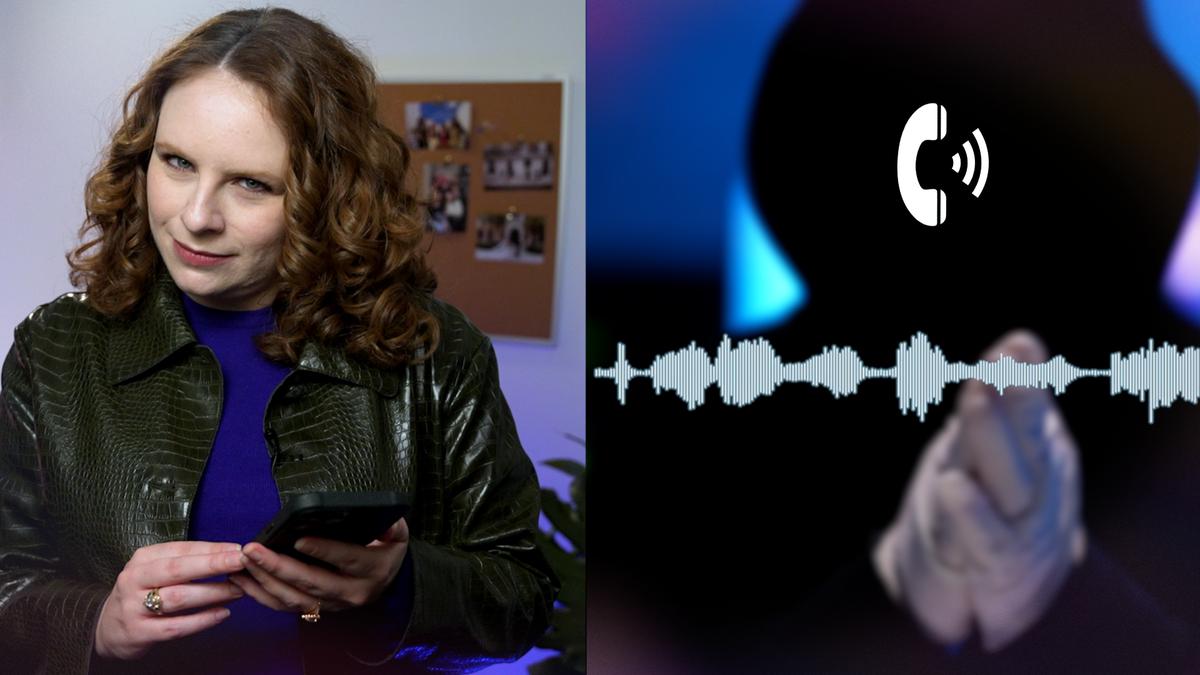
Venmo users are being warned about a vishing scam where fraudsters use automated phone calls to try to steal sensitive information and gain access to accounts.

Scammers are targeting Venmo users with a voice phishing scheme, using fake automated calls to try to steal sensitive information.
An automated voicemail obtained by the Hearst Television National Consumer Unit states: “This call is because of an attempt to change the password on your Venmo account. If this was not you, please press one.”
Venmo confirmed that the message is part of a vishing scam, short for voice phishing. In these scams, fraudsters try to trick people into handing over passwords or other sensitive information.
Venmo says it will never ask customers to share passwords, verification codes or financial information by email, text message or phone.
If you receive a call like this, don’t engage with it. Do not press any numbers or provide information, and block the number.
What happens if a scammer gets into your Venmo account?
Venmo’s User Agreement says that if someone steals or fraudulently obtains a customer’s password and uses it to send money from the account, that is considered an unauthorized transaction.
The agreement says Venmo will cover the full amount of unauthorized activity if the customer follows its procedures, including reporting the incident promptly.
Customers who wait more than 60 days to report an unauthorized transaction could lose that protection.
The National Consumer Unit asked Venmo to confirm whether a customer would be reimbursed if a scammer used this specific vishing scam to take over an account and transfer money without authorization.
Venmo did not directly answer the question, saying individual cases are reviewed separately. The company instead encouraged customers who believe they have been targeted by a potential scam to contact customer service directly.
Consumers who encounter the scam should report it to Venmo, even if they did not lose money. They can also report it to the Federal Trade Commission at ReportFraud.ftc.gov.
Stay Connected With the National Consumer Unit
Get clear, actionable consumer reporting delivered across platforms.
Follow National Consumer Correspondent Allie Jasinski for real-time updates on Instagram, TikTok and YouTube.
Have a question you’d like us to investigate? Email us at askallie@hearst.com
Subscribe to our twice-weekly consumer newsletter for in-depth explanations and practical guidance.