
LISTEN | October 18 2025 episode of Quirks & Quarks:
Quirks and Quarks54:00Moose are hot and bothered, and more…
On this week’s episode of Quirks & Quarks with Bob McDonald:
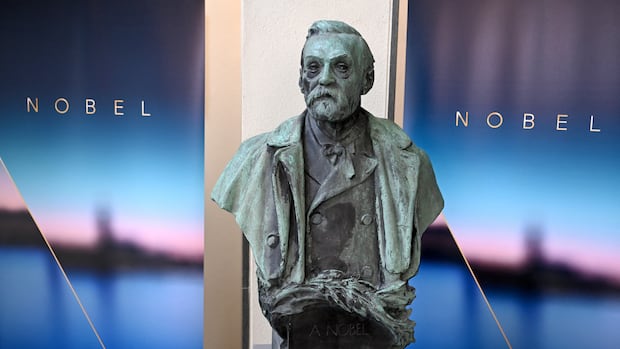
Nobel Prize in medicine goes the discovery of the leash on our immune systemLISTEN | Mary Brunkow in conversation with Bob McDonald about her historic win:
Quirks and Quarks7:47Nobel Prize in medicine goes the discovery of the leash on our immune system
Our immune system has enormous power to defend us against the wide range of pathogens, but it’s a double-edged sword because it can also target its powerful weapons against us. This year’s Nobel Prize in Physiology or Medicine went to three scientists who identified a critical mechanism that keeps our immune system in check. A researcher from Japan discovered a key player in our immune system and two U.S. scientists found the gene that governs its development of a key player in our immune system.
One of the American researchers, Mary Brunkow, from the Institute for Systems Biology, said these findings provided new insights and potential treatment options for autoimmune diseases and cancer.
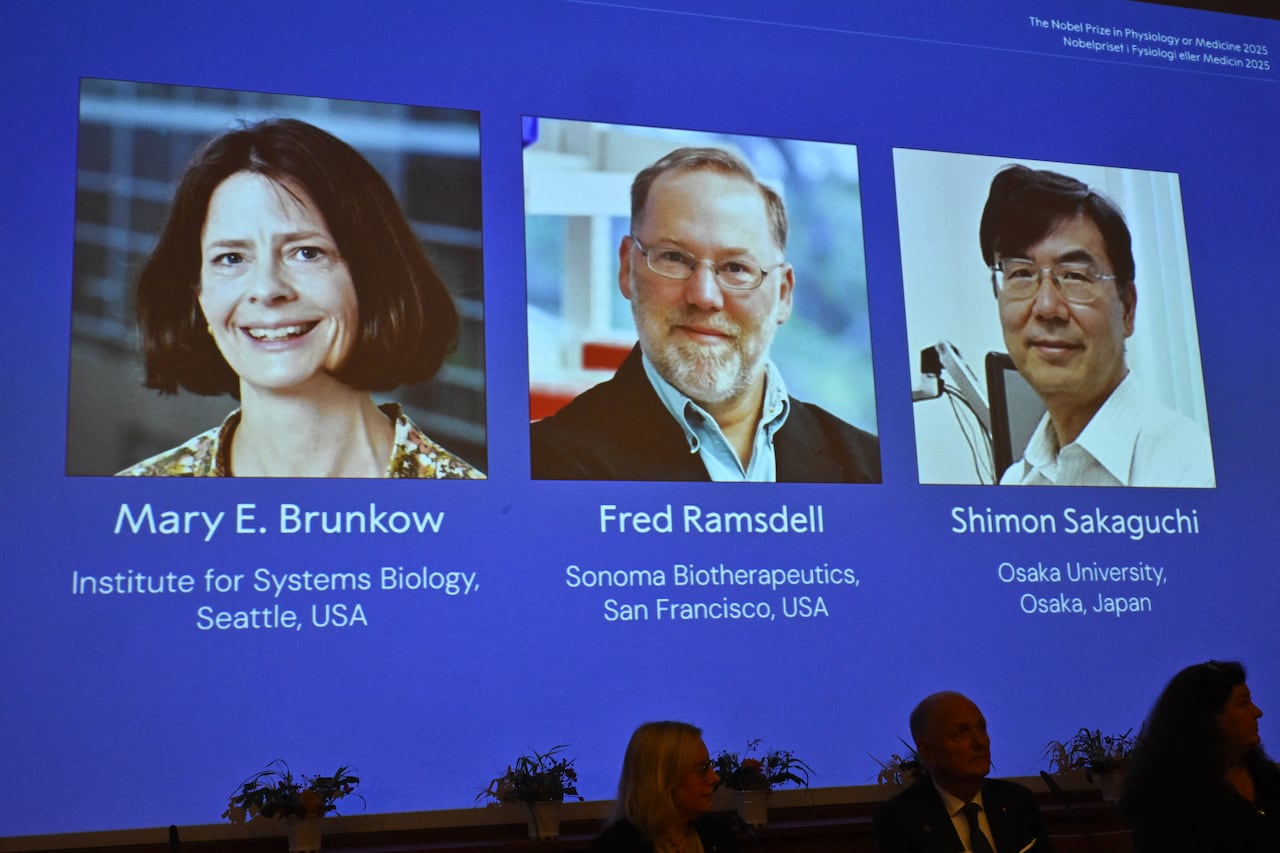 The portraits of Mary Brunkow, Fred Ramsdell and Shimon Sakaguchi are displayed during a press conference announcing the winners of the 2025 Nobel Prize in Physiology or Medicine. (Claudio Bresciani/AFP/Getty Images)Yogurt with a creepy-crawly secret ingredientLISTEN | David Zilber tells Bob McDonald how he used ants to make yogurt:
Quirks and Quarks8:09Yogurt with a creepy-crawly secret ingredient
A team of researchers has duplicated an ancient recipe for yogurt that uses a unique ingredient to initiate fermentation: ants. Canadian chef and fermentation scientist David Zilber joined a scientific expedition to remote Bulgaria, including researchers from the University of Copenhagen, to see if the recipe actually worked. They added squished ants to fresh milk, buried it in an anthill to incubate it, and enjoyed zesty yogurt the next day. A microbiological analysis showed that, among other acids and enzymes, the ants contributed bacteria to the yogurt that is also present in sourdough starter. The research was published in the journal iScience.
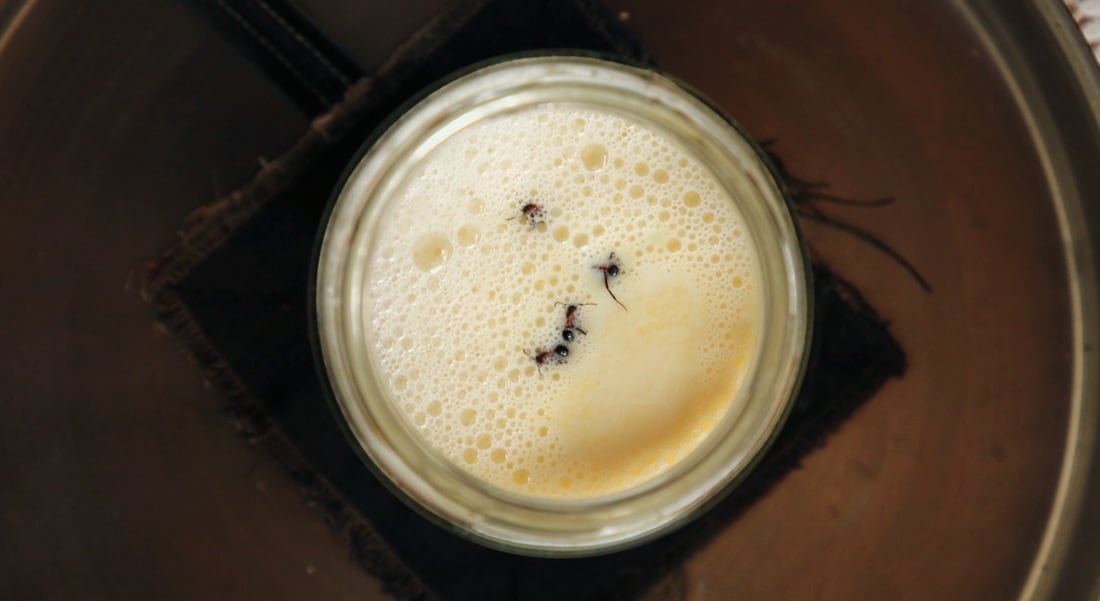 Following a traditional Bulgarian method of yogurt-making, researchers added four live forest ants into a warm jar of milk. (David Zilber)An ancestor of the largest dinosaurs was a dog-sized bipedLISTEN | Martín Hechenleitner tells us about his findings:
Quirks and Quarks7:38An ancestor of the largest dinosaurs was a dog-sized biped
Researchers have discovered a 230 million-year-old fossil high in the Andes of Argentina that is the ancestor of giant, long-necked sauropod dinosaurs like the iconic brontosaurus. This animal, however, is a two-legged herbivore that likely weighed less than 20 kilograms. This discovery suggests that the evolution of sauropods happened much earlier and is more complex than previously thought. Martín Hechenleitner, a researcher with Argentina’s National Scientific and Technical Research Council, led the team on this study that was published in the journal Nature.
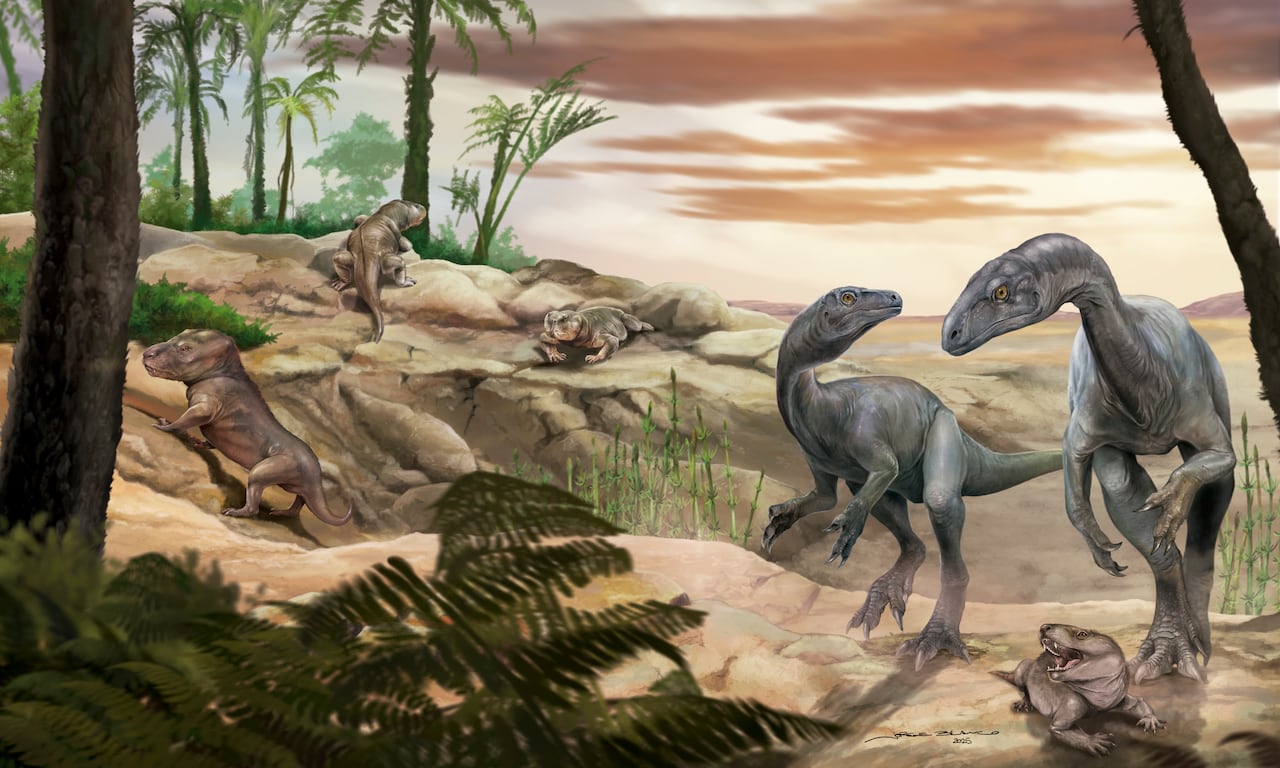 A newly discovered Triassic dinosaur shows the beginnings of the elongated neck of the sauropods. (Jorge Blanco)Nobel in physics awarded for laying the groundwork for quantum computing LISTEN | John Martinis in conversation with Bob McDonald about his exciting win:
Quirks and Quarks8:59Nobel in physics awarded for laying the groundwork for quantum computing
This year’s Nobel Prize in Physics went to a trio of physicists who made two groundbreaking discoveries in the 1980s that laid the groundwork for quantum computing. They were the first to demonstrate a strange quantum mechanical phenomenon in a superconducting circuit in which subatomic particles can pass through apparently impenetrable barriers like magic. They also proved that their superconducting circuit absorbs and emits energy at distinct energy levels that could represent a bit of information. John Martinis, from UC Santa Barbara and the quantum computing company Qolab, said that essentially what they did back in the 1980s was build the first quantum bit.
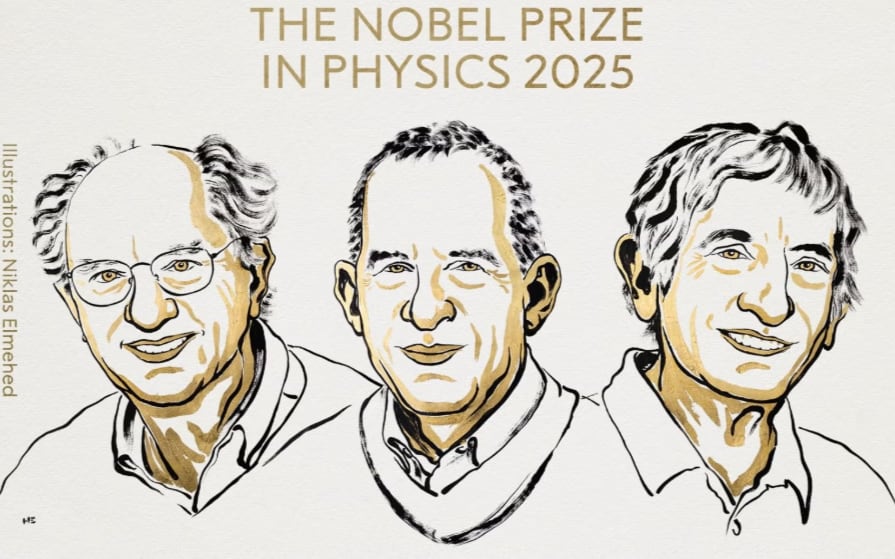 This year’s Nobel Prize of Physics went to John Clarke (left), Michel Devoret (middle) and John Martinis (right) for their discovery of macroscopic quantum tunneling and energy quantisation. (Niklas Elmehed/The Royal Swedish Academy of Sciences)Neanderthals systematically rendered fat from animal bonesLISTEN | Lutz Kindler talks about his discovery:
Quirks and Quarks9:16Neanderthals systematically rendered fat from animal bones
Scientists think the fragmented bones of at least 172 animals discovered at a 125,000 year-old Neanderthal site in Germany represent the remains of a large-scale “fat factory” where they boiled the crushed bones to extract nutrient-rich fat. Lutz Kindler, from the MONREPOS Archaeological Research Center and Museum for Human Behavioural Evolution, said the Neanderthals could have used the processed fat for a range of things, from skin protection to preserving meat similar to pemmican. The study is in the journal Science Advances.
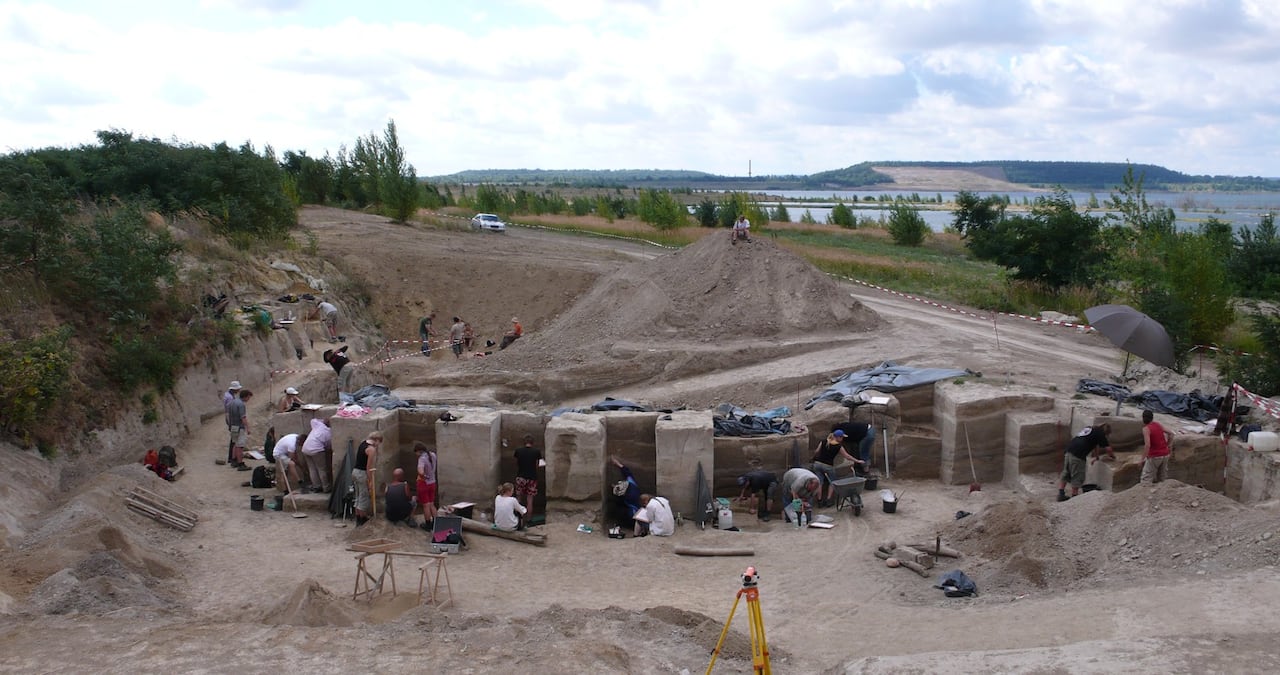 Archeaologists in Germany unearthed a Neanderthal ‘fat factory’ where they were processing the bones to render calorie-rich bone fat. (Wil Roebroeks/Leiden University)Moose are hot. Are they bothered?LISTEN | Rebecca Levine discusses her moose research:
Quirks and Quarks9:21Moose are hot. Are they bothered?
During the fall rut, moose — particularly the males — are very active, foregoing food and often sleep to search for mates and compete with rivals. This activity generates a large amount of heat, which could be a problem as moose don’t sweat and have no physiological adaptations to keep them cool. Biologist Rebecca Levine is part of a team investigating if, in a warmer climate, this might be interfering with their reproductive success during this intense time of year. Her research is published in the journal Functional Ecology.
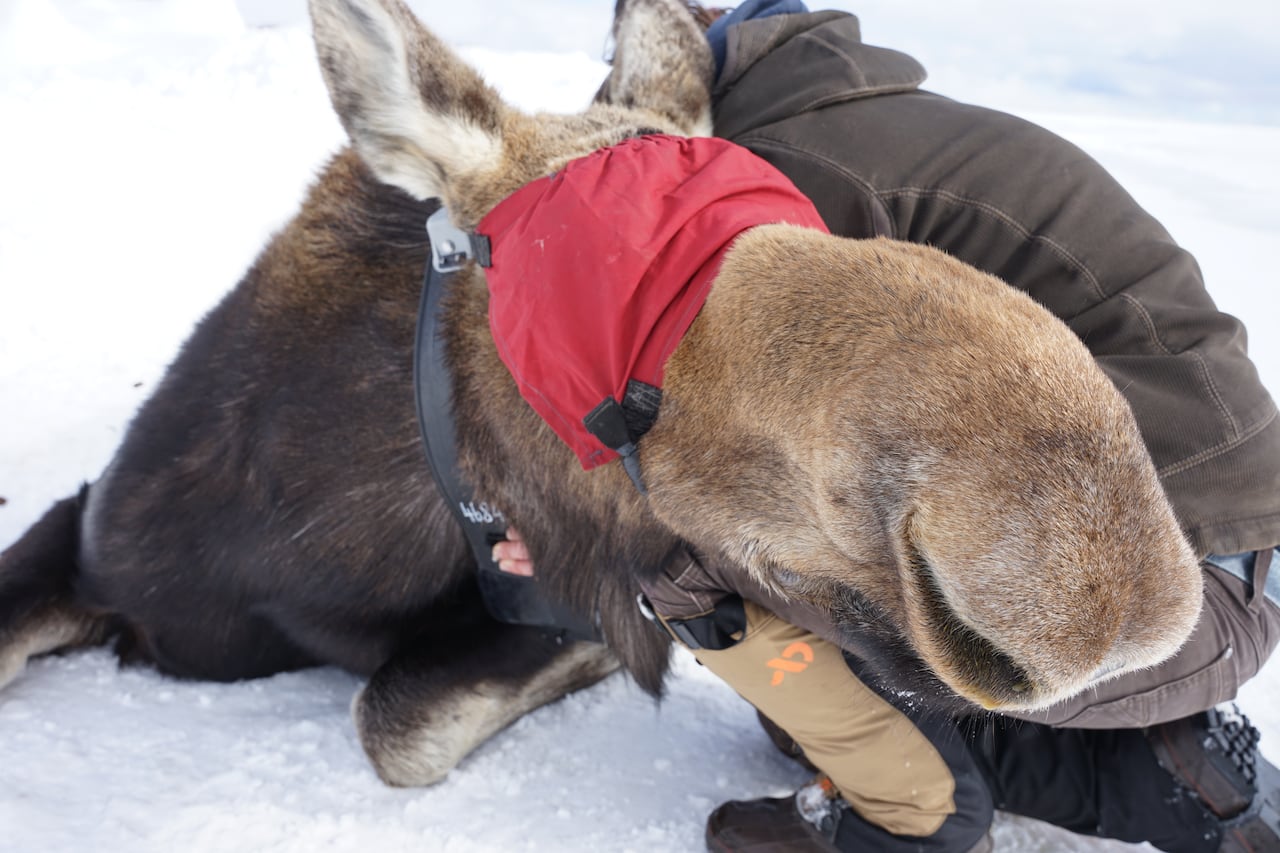 Researchers in Wyoming work on tranquilized moose to assess their health and install GPS collars to see how the moose are moving through their habitat. (Rebecca Levine)